
Protect Your Wood From the Inside Out
Real protection begins at the cellular level. That is where a borate wood preservative interrupts the life cycle of insects and decay fungi. A properly selected wood preservation treatment allows active ingredients to diffuse through unfinished fibers.
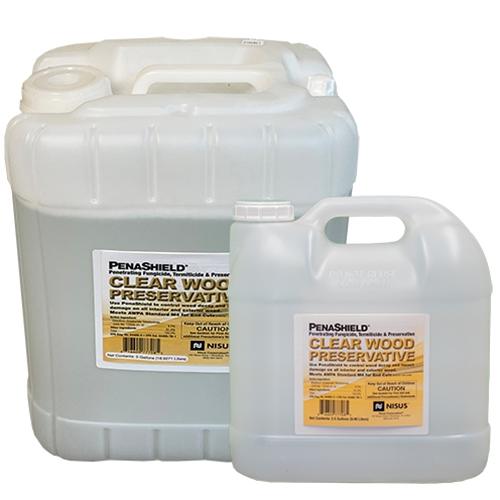
For broad surface coverage on bare logs, we recommend ready-to-use liquid formulas such as PenaShield wood preservative that penetrate quickly before the application of stain or sealant.
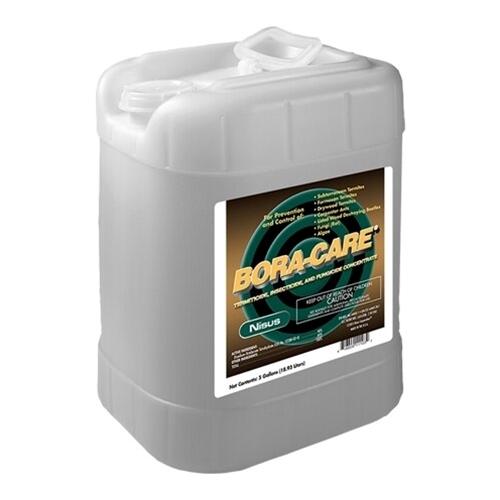
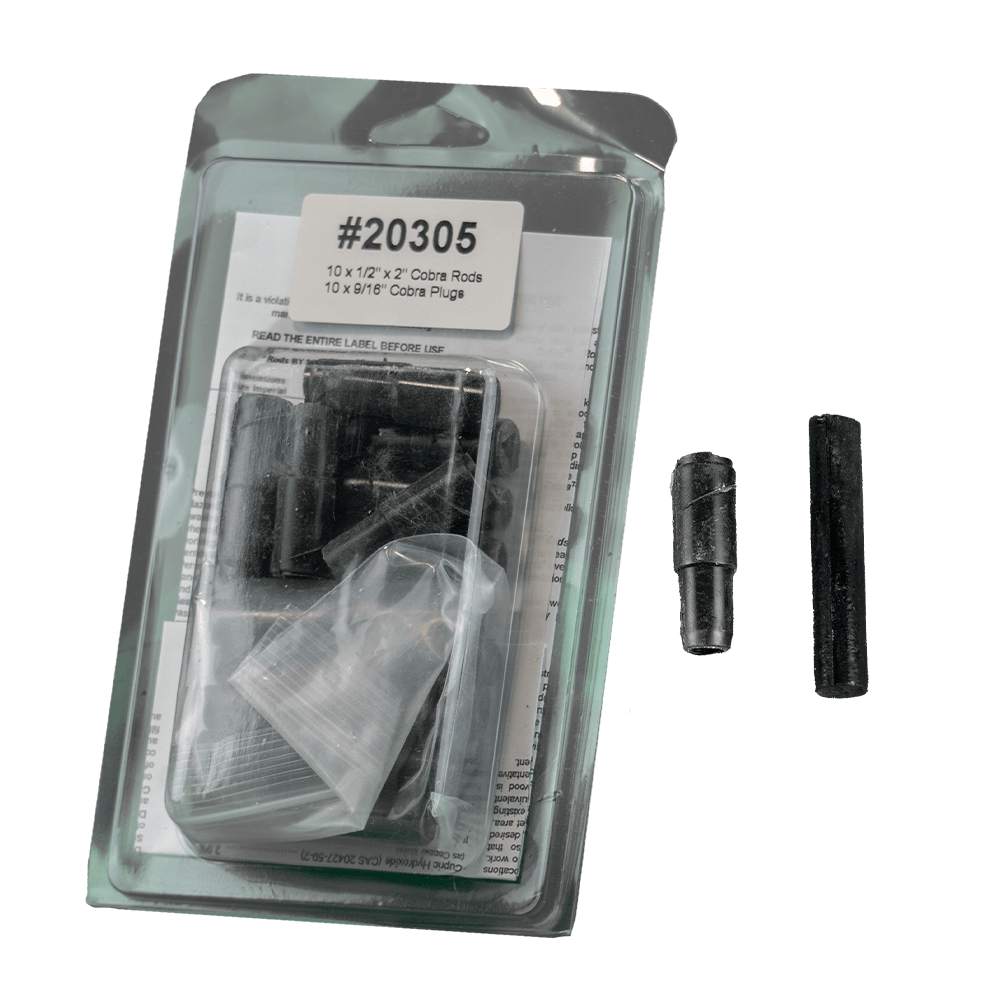
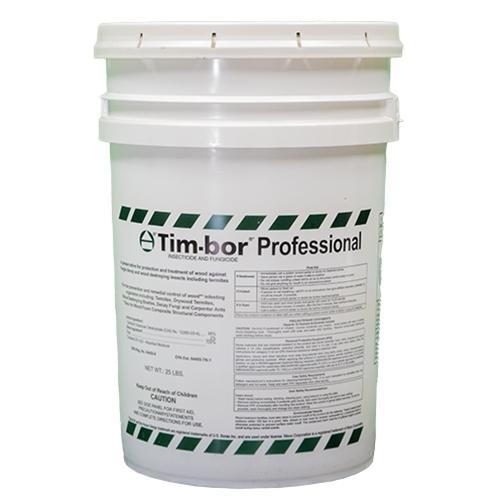
Powdered borates work best for new builds and localized gallery treatment, while solid diffusion rods protect vulnerable log ends and damp zones over time. Evaluate our selection to determine which application best fits your project stage.
FAQs
What’s the difference between PenaShield and Tim-Bor?
Liquid borate formulas like PenaShield arrive ready-to-use and quickly penetrate bare wood fibers, making them practical for full-surface treatment before finishing.
Tim-Bor, by contrast, is a water-soluble powder. It is often selected and mixed on site for new construction or spot treatment in exposed areas. Each is effective at different stages of wood preservation treatment planning.
Are borate wood products safe for people and pets?
Borate-based products reveal low toxicity once dry. That is beneficial for people and animals. Particularly for families who live in log homes permanently.
During application, we recommend gloves and eye protection. After the surfaces dry, the active ingredients remain locked in the wood, where the wood preservative targets insects and decay rather than household activity.
Should I apply wood preservation treatment before or after the staining?
Application timing directly affects performance. A borate treatment performs best on clean, unfinished wood. It needs to diffuse into the fibers without obstruction.
Stains and sealants form a barrier that limits proper absorption. Once the treated surface has dried fully, you can proceed with staining to add UV protection and moisture control over the preserved structure.