M-Balm Epoxy Wood Hardener for Log Homes
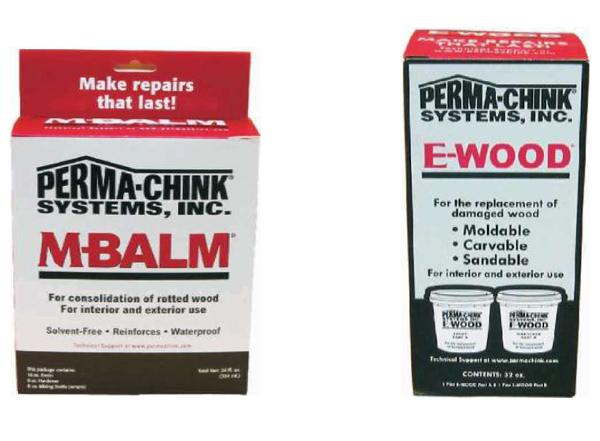
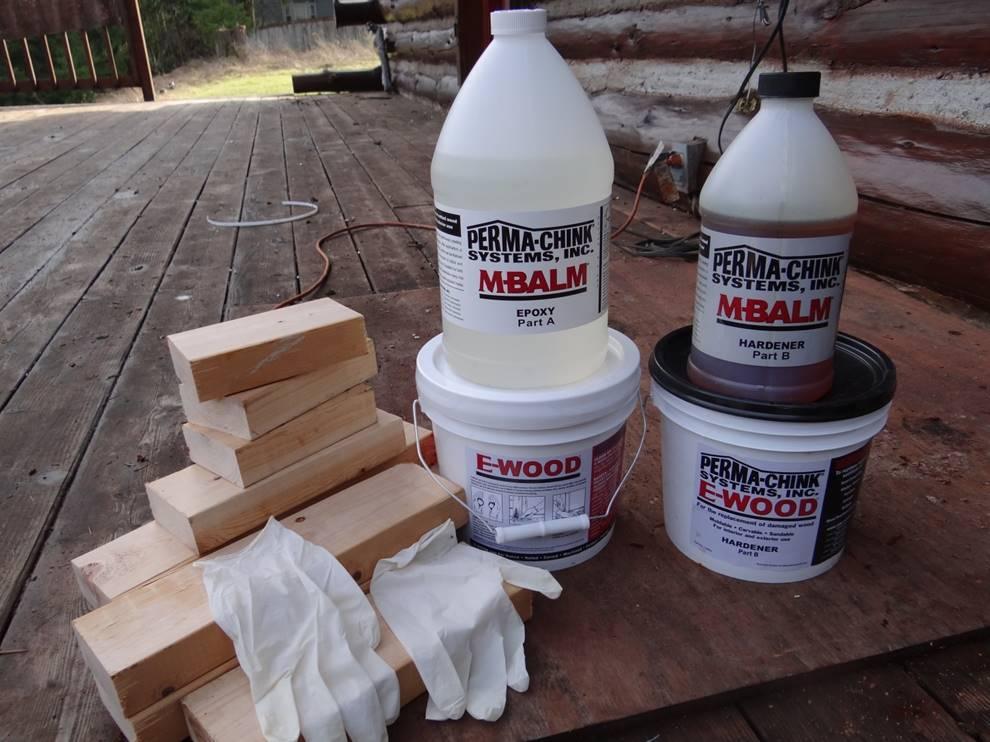
M-Balm epoxy liquid penetrates deeply into porous, deteriorated, dried-out or spongy wood, curing and hardening into a strong, water-resistant mass that includes both the original wood fibers and the epoxy mixture.
The more M-Balm used, the stronger the restored wood member will become. It consolidates the decayed area in preparation for use with E-Wood.
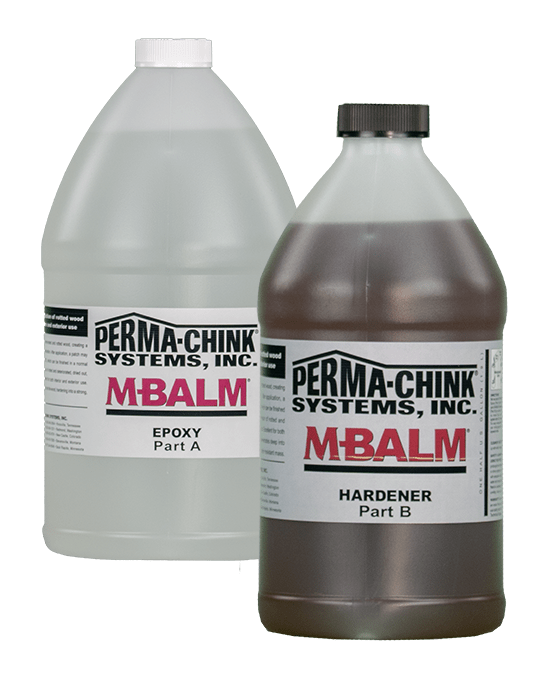
M-Balm Available Sizes
M-Balm consolidates the decayed area in preparation for use with E-Wood. The more M-Balm used, the stronger the restored wood member will become. It consolidates the decayed area in preparation for use with E-Wood.
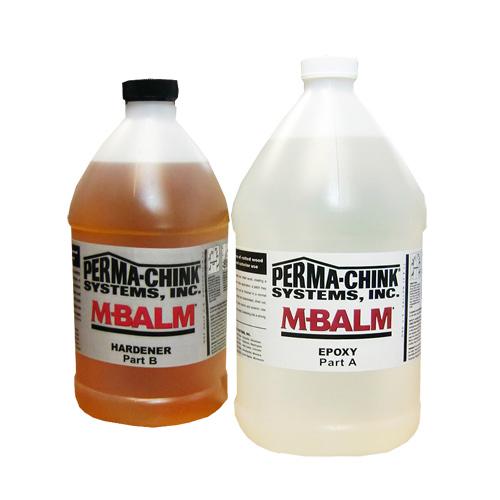
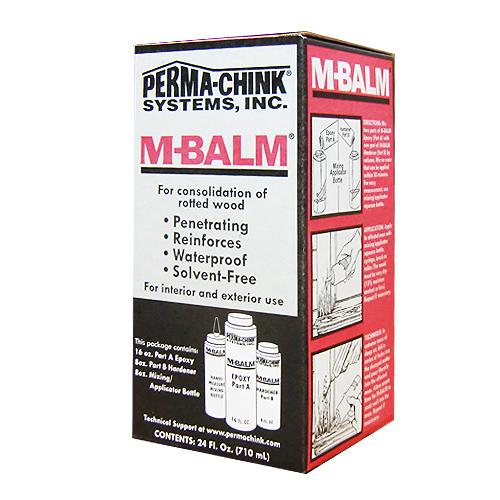
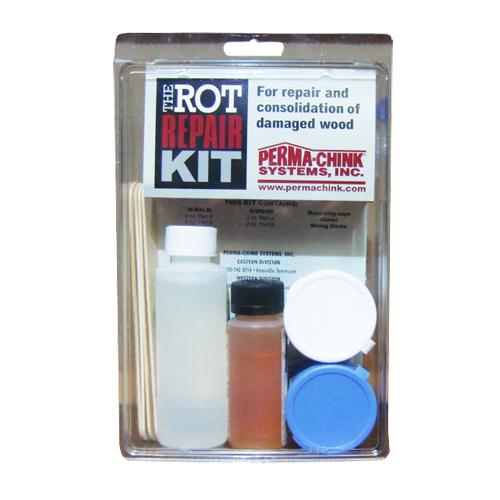
Epoxy Wood Consolidator
Features
- Restores strength to deteriorated wood
- Vinegar clean-up
- Deep Penetrating
Resource Links
- SDS M-Balm Part A
- SDS M-Balm Part B
- Log Repair
- M-Balm TDS
Disposal: Dispose of unused product and empty containers in accordance with local, state, and federal regulations. To protect the environment, do not pour unused product into drains or waterways.
Application Temperature
40° to 90°F
Application Methods
Squeeze bottle
Surface Preparation
Clean and dry
Moisture content below 15%
Shelf Life
1 Year
Special Instructions
See label
Do not allow to freeze
Frequently Asked Questions
Your questions about M-Balm answered.
How to Repair Large Voids in Logs
Neglected log homes occasionally develop sections of logs that have medium or deep pockets of decayed wood that is either very soft, or loose and crumbly. If caught early enough, the pocket may be only a few inches across, but if the decay has been active for a while the pocket may extend a couple of feet or more along the length of the log. Read this.
What do I do about log rot?
We have the perfect solution for repairing log rot in wood with our E-Wood and M-Balm products. Read more here.
What should I do if my log home is really dark or discolored?
Dark or discolored log homes can mean a couple of things. One is it’s dirty and a thorough cleaning will bring back the original look. Another is the wrong finish was applied and it’s covered in mold, mildew, and other stains. Restoration steps begin here.