
Finish Removal & Rot Repair for Durable Log Cabin Restoration
Surface damage rarely follows a single pattern. Weathered coatings, softened fibers, and exposed checks often appear together once exterior protection begins to fail. Most repair work succeeds only when the underlying surface receives the right preparation before structural fixes begin.
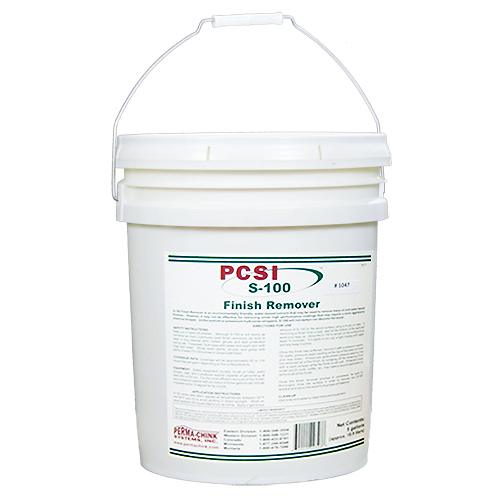
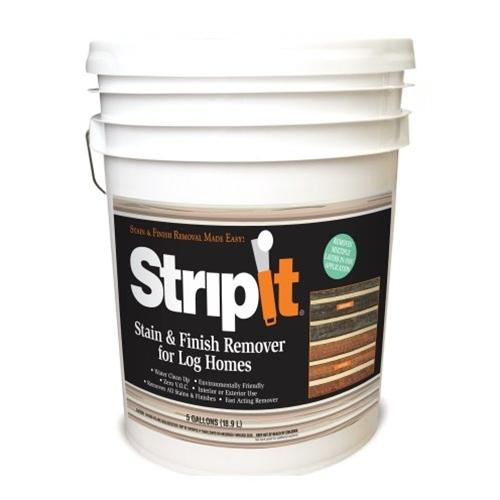
A practical log cabin restoration process starts with finish removal. We offer gel-based removers that loosen aging coatings without darkening wood or harming nearby sealants. Recycled glass blast media provides a dry method for heavier buildup when aggressive removal is necessary.
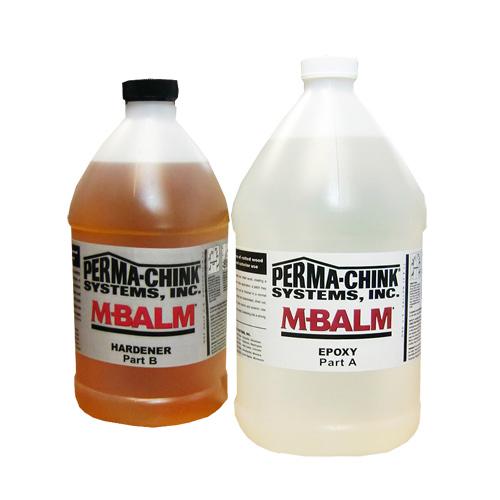
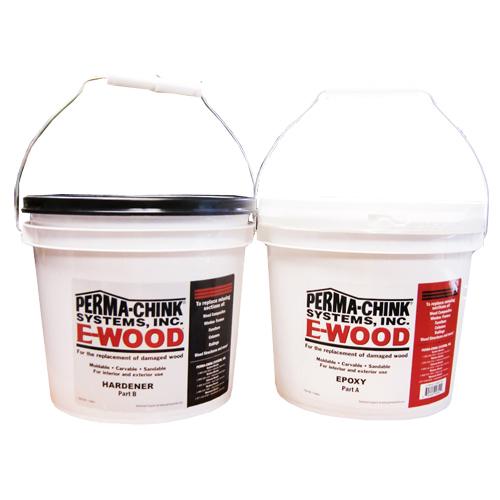
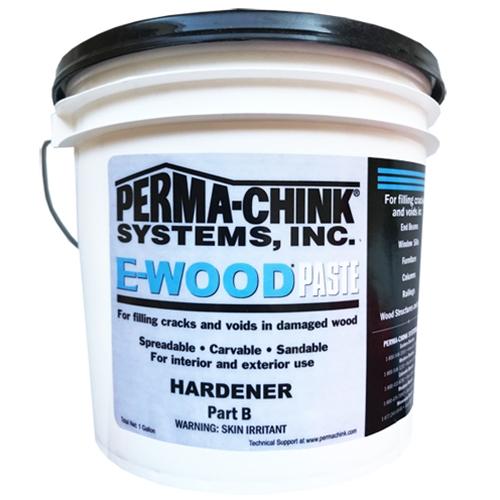
Log repair follows surface preparation. With an epoxy consolidator, you can stabilize weakened fibers inside deteriorated logs. Then, apply fillers to rebuild missing sections, knot voids, or deep checks for a durable bond. Smaller cosmetic repairs are different.
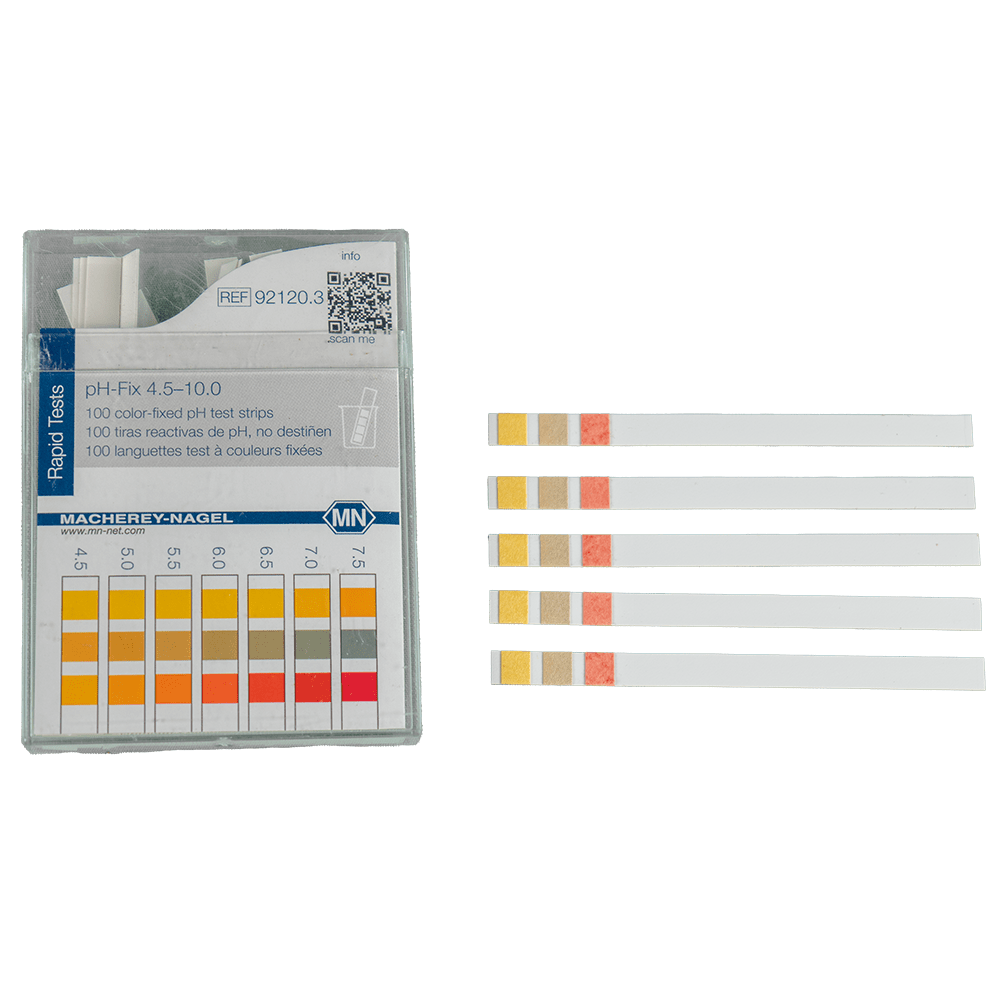
They call for a lighter patching compound suited for trim, frames, and shallow defects. Final verification matters as well. Our pH strips confirm that rinsed wood tests within a neutral range before staining. Explore each of our products to support dependable log home restoration work.
FAQs
What is the difference between chemical stripping and media blasting?
Both methods remove failing finishes but rely on different approaches. Chemical strippers soften coatings. Then, rinse away without cutting into the wood surface. Media blasting is different. It uses compressed air and abrasive particles.
That allows it to remove the finish and a thin wood layer simultaneously. Each method has a place in log home restoration. Consider the finish thickness and project conditions to determine which is best.
Can log rot be repaired without full replacement?
Wood decay does not always require full replacement. If deterioration remains, consolidation and epoxy rebuilding can restore function.
Penetrating consolidators harden weakened fibers while structural fillers rebuild missing sections. These repair methods help preserve original logs whenever possible.
What are pH Strips used for in log cabin restoration?
Cleaning and stripping produces chemical residue. That interferes with stains and finishes. pH strips help verify that the wood surface has returned to a neutral range.
This small step prevents adhesion problems and uneven color. Many professionals consider it a final checkpoint before moving forward.