
Woodsman
Wood Sealant for Waterproof Joints and More
Wood moves as conditions change. Joints around logs, windows, and doors need a flexible seal that stays in place rather than becoming a weak point over time.
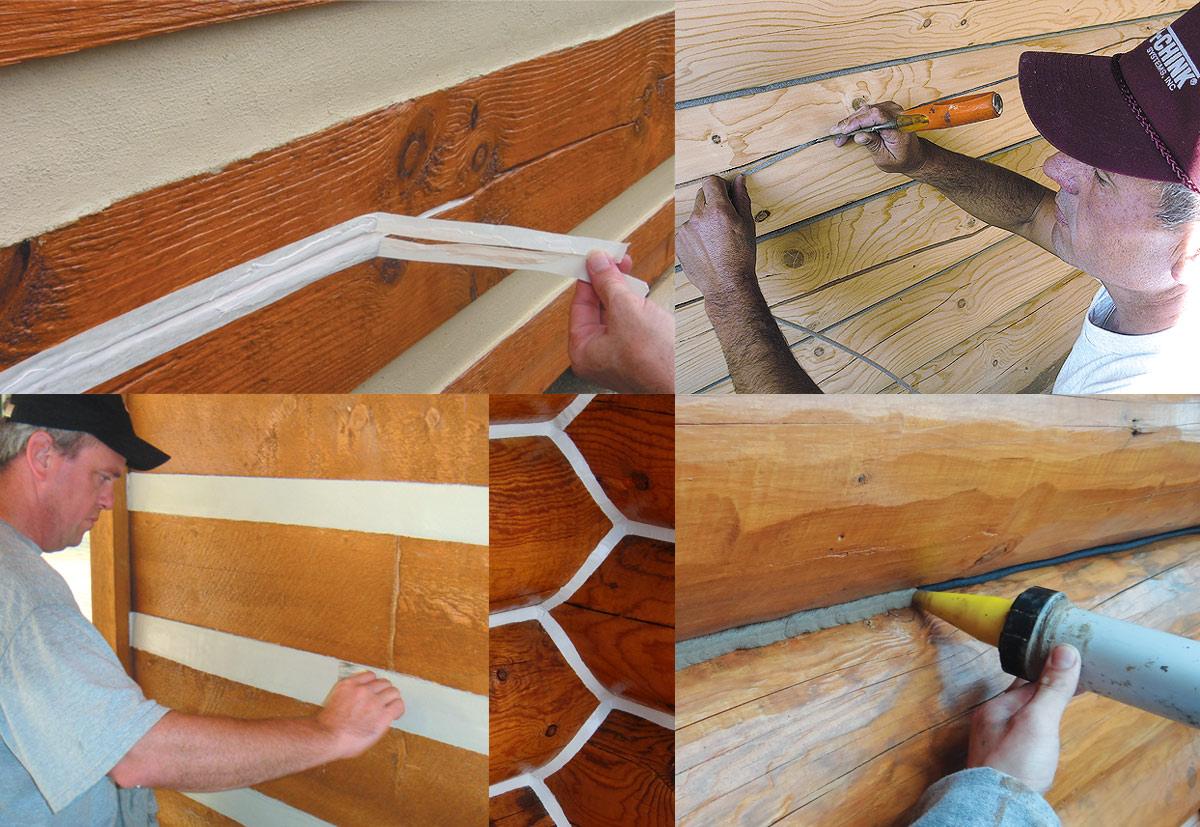
Woodsman is an elastic log sealant made for construction and general repairs around the log home. Once cured, it stretches with movement while forming an airtight and watertight barrier. UV resistance adds protection for exterior applications.
Use Woodsman between logs, around doors and windows, or along eaves and soffits. It also works on vents, expansion joints, butt joints, and woodwork. Wood is just one surface Woodsman adheres to. It also bonds with metal, glass, masonry, and more.






Shop Available Sizes
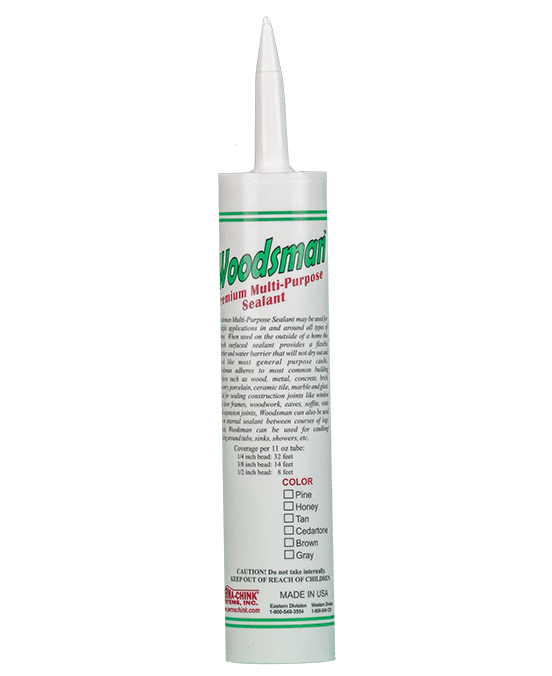
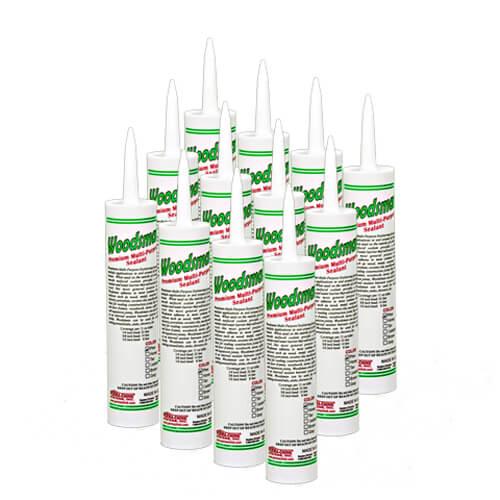
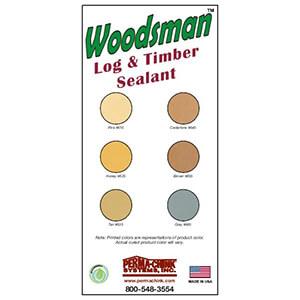
Woodsman comes in eleven- and 30-ounce tubes. Individual tubes work well for smaller repairs, while cases provide more material for construction or larger sealing projects. Select the color that matches the project before ordering.
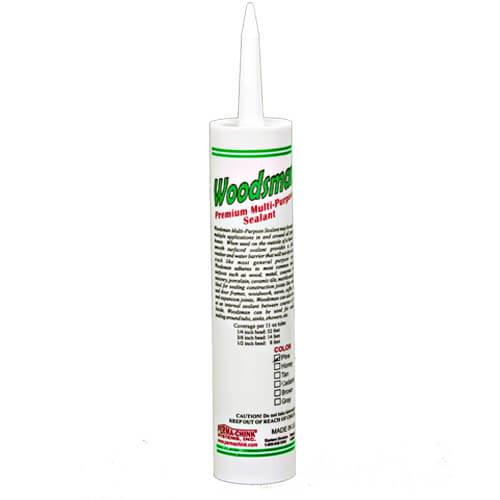
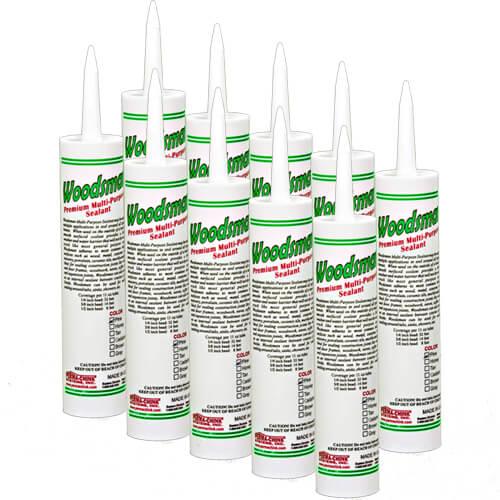
Product Information
Woodsman keeps application straightforward. Standard caulking equipment handles the job, and soap and water clean up uncured material afterward. An extended shelf life also helps when a project stretches beyond the original schedule.
For reliable log sealants, waterproof performance is imperative after the work is complete. Proper application creates a tight joint without adding complicated tools or cleanup to the job.
Features
- Highly Elastic
- Eliminates Air and Water Infiltration
- Economical
Resource Links
- SDS (External website)
- Product Label
- Sealants Application Guide
How to Store
Woodsman has a three-year shelf life. Close the tube securely when material remains after a job. For wood sealant, waterproof repairs rarely use the entire tube at once. Proper storage keeps the leftover product ready for future work.
Woodsman Application
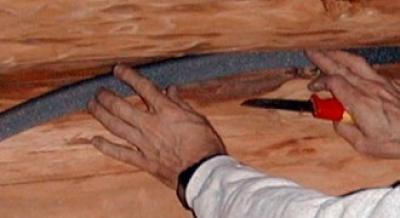
Start with a dry surface and check outdoor temperatures. Woodsman works best between 40°F and 90°F with a sealant application gun. Follow the log manufacturer’s instructions for joint preparation and placement.
Utilizing the best sealant for log homes still depends on a well-prepared joint. Work carefully once the bead is in place. Woodsman begins to skin over in about 20 minutes, so finish each section within that window.
Maintenance
Check sealed joints as part of routine log home maintenance. Pay attention to areas around windows, doors, and other openings where movement occurs.
Yet, effective protection relies on the joint remaining intact. Address separation or damage before an opening develops further.
Application Temperature
40° to 90°F
Application Methods
- Ratchet caulking gun
Surface Preparation
- Clean and dry
Shelf Life
3 Years
Frequency
One-time application
Special Instructions
- Follow log manufacturer’s instructions
Drying Time
- Skins over in 20 minutes
- Cure in 3-8 weeks depending on temperature and humidity
Recommended Products
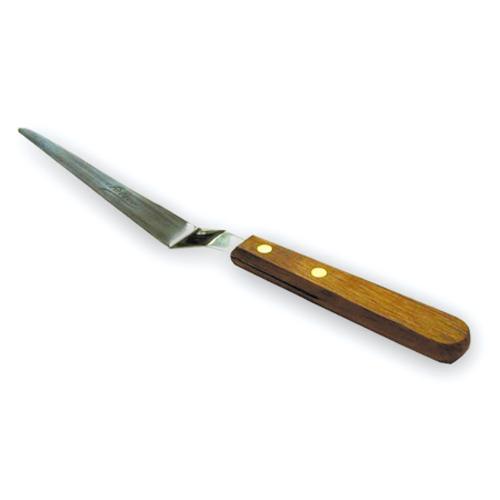
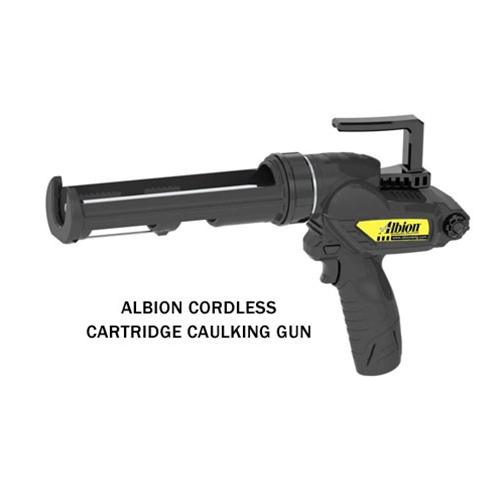
Woodsman Application
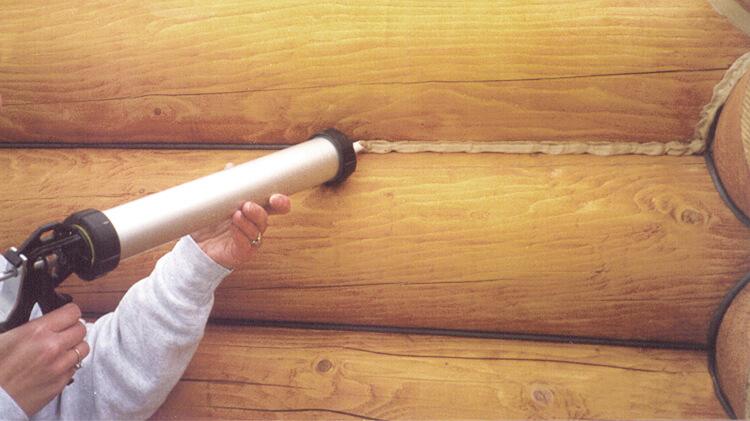
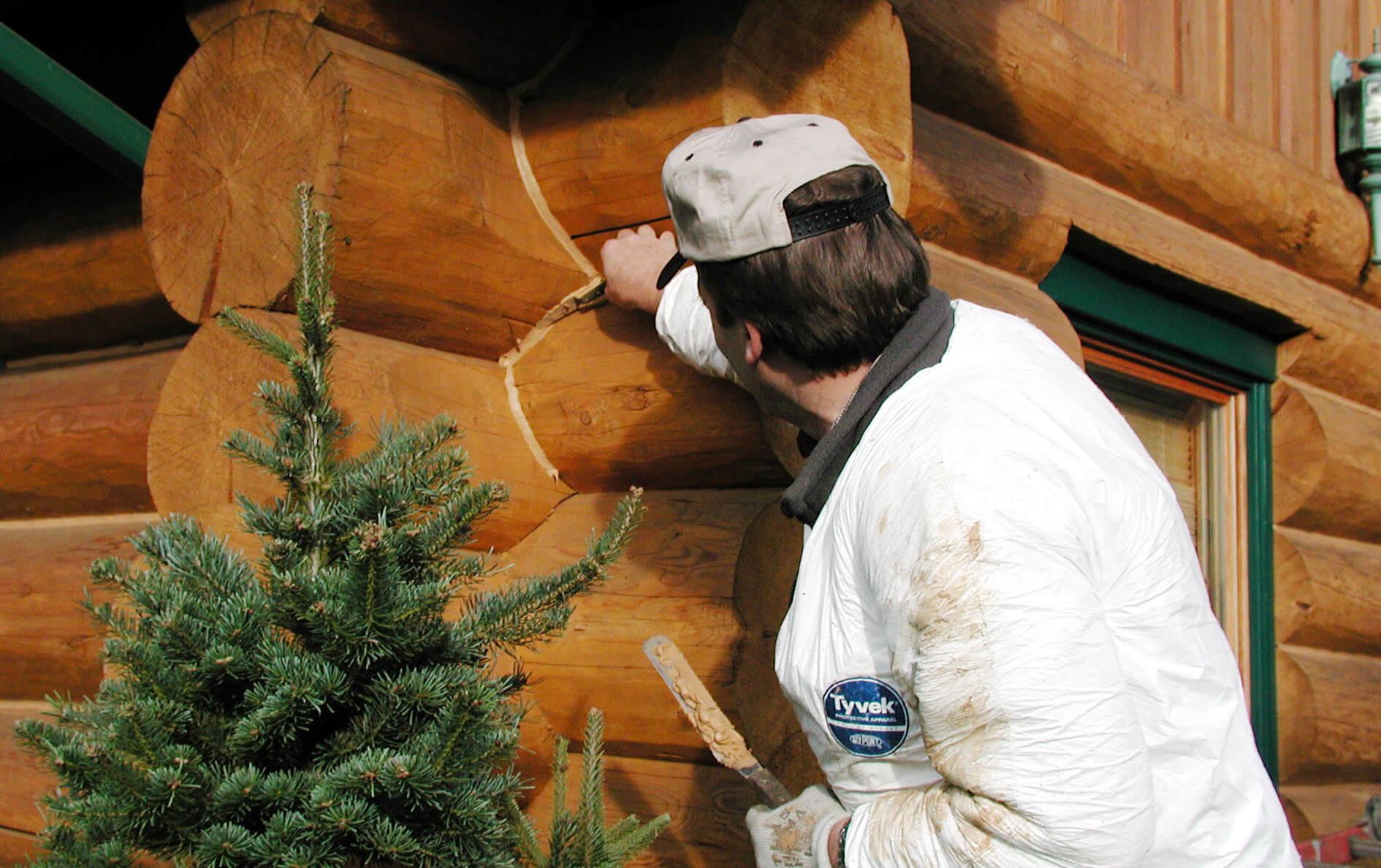
Frequently Asked Questions
What’s the right log home sealant?
Depends on the style of your log home. Read how to choose the right sealant here.
What goes on first- finish or sealants?
If you’re curious on which order to apply finishes and sealants, it mainly comes down to how you want your log home to look. Read more here.
How do I fix the cracks in logs?
Cracks in logs are called ‘checks’ and should be evaluated and likely sealed, especially if they face upward, where they can collect moisture and produce rot. We have a handy how-to article about sealing checks here.