Blog
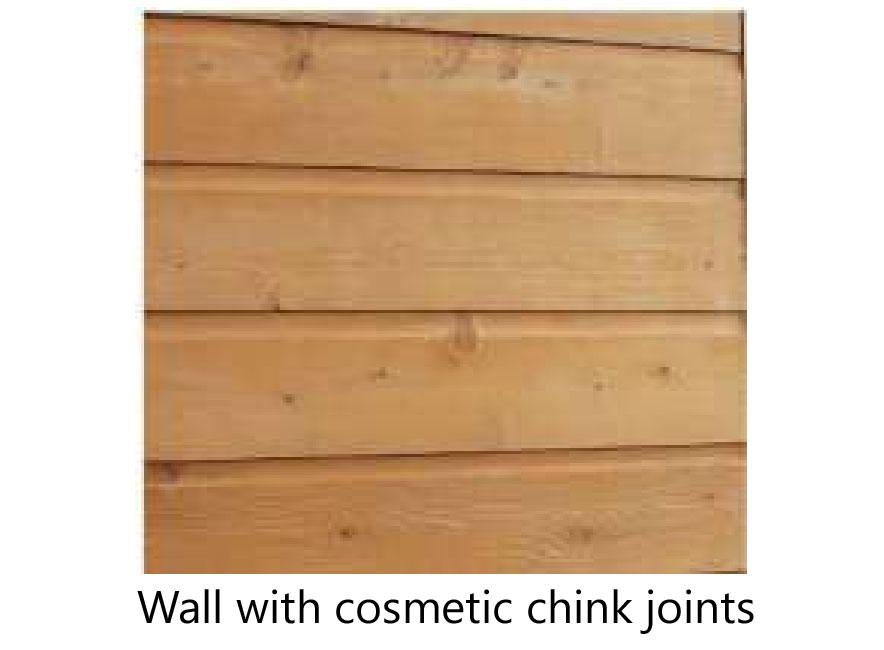
A number of log home manufacturers offer squared log homes with cosmetic chink joints. Although, some owners of these style homes ignore cosmetic joints and just stain over them. Others like the look of a chink-style home, which may be the reason that they bought the home in the first place. For these cosmetic joints, do homeowners need to use Perma-Chink® or can Chink Paint™ be used instead?
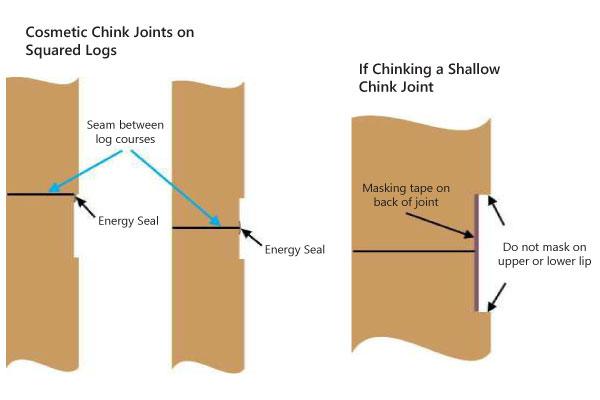
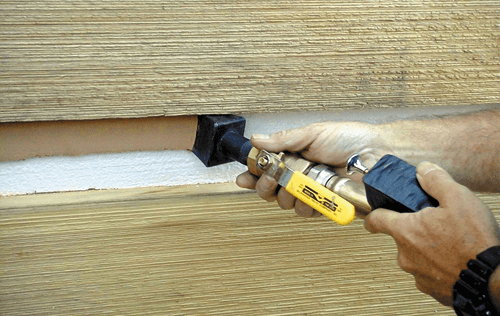
For those cosmetic joints that are less than 3/8 inches deep, the answer is fairly easy. Unless the log home manufacturer specifies the use of Perma-Chink, Chink Paint is less expensive and much easier to apply, especially if you are planning to do it yourself. Since there is no room for backing material, we have seen several instances when a thin layer of Perma-Chink was applied directly over bare wood, and blisters formed in the chinking. Even if the bare wood is covered with masking tape, it still is not be a good idea to use Perma-Chink. If the Perma-Chink only has a 1/4” lip of wood to hold onto on the upper and lower edges, there may not be enough surface area for good adhesion. If Perma-Chink is applied and masking tape is used as a backer in shallow chink joints, it’s especially important to make sure that the tape does not cover any edges. If it does, there will be virtually no adhesion of the Perma-Chink at that point.
Whenever Chink Paint is used and a seam is present within the cosmetic joint, the seam may be first sealed with Energy Seal. Once the Energy Seal is dry, Chink Paint can be applied over it. Do not use masking tape under Chink Paint. It will prevent the Chink Paint from adhering to the wood and may eventually peel off.
For cosmetic chink joints that are 3/8 inches deep, or deeper, Perma-Chink may be used; however, you should be aware that Chink Paint is a less expensive alternative that is much easier to apply. If the joint is deep enough to accommodate both backing material and the proper thickness of Perma-Chink, it’s best to actually chink it to prevent water from accumulating on top of the bottom lip.

John Ricketson
Project Manager – Hearthstone, Inc.
www.hearthstonegeorgia.com
At every trade show, I get asked the same question: How long does Perma-Chink last? My answer has always been “I don’t know, we’ve only been using it for 37 years”[ed. note – as of 2019]. I built my log home in 1988 and used Tan Perma-Chink with Dark Honey Lifeline EX stain because I wanted a combination that was not too much of a contrast and the results were exactly what I had intended. The home has weathered and aged over the 32 years and I have re-stained it a couple of times, the last time being 8 years ago. The East side and North side required very little maintenance then, just a light cleaning with Log Wash and a renewal coat of Lifeline Advance. The South and West sides required a little more effort after cleaning due to exposure to weather and the sun. A refresher coat of Lifeline EX and Lifeline Advance Satin on the logs, gable end siding, and roof fascia got it to looking like new again.
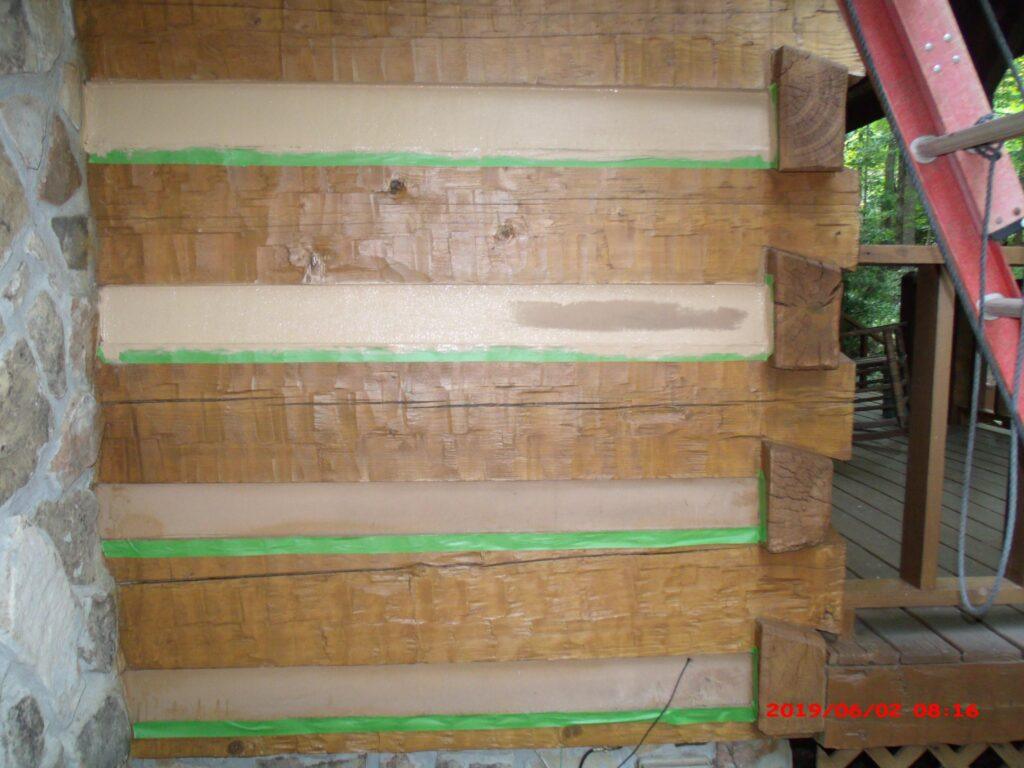
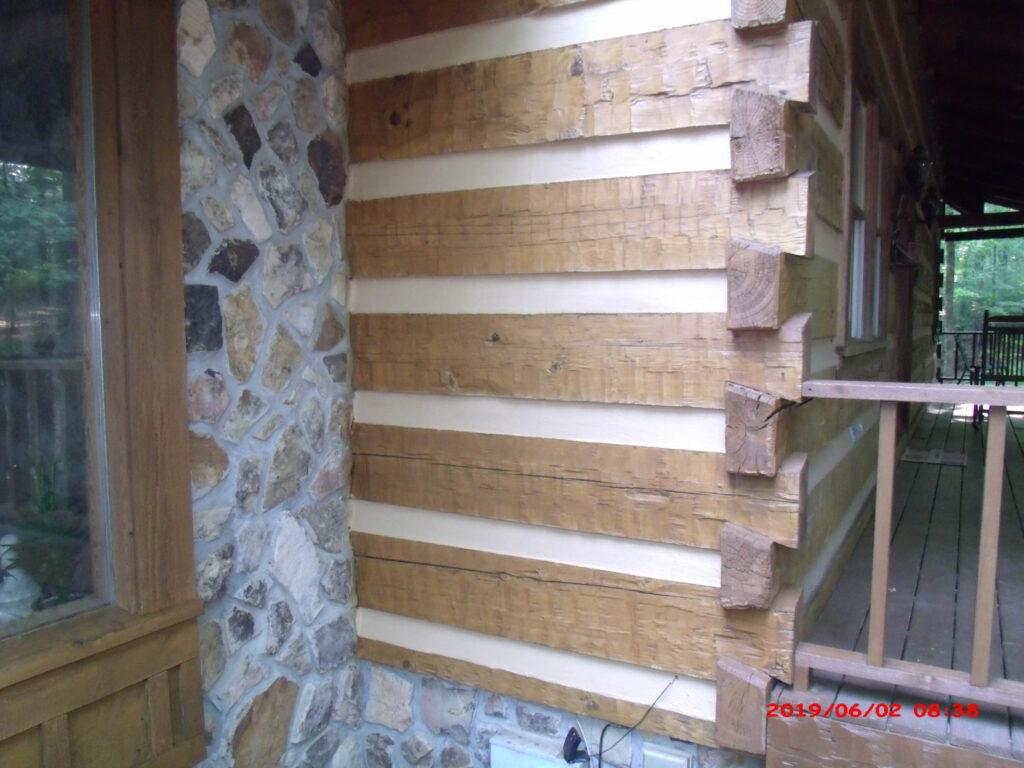
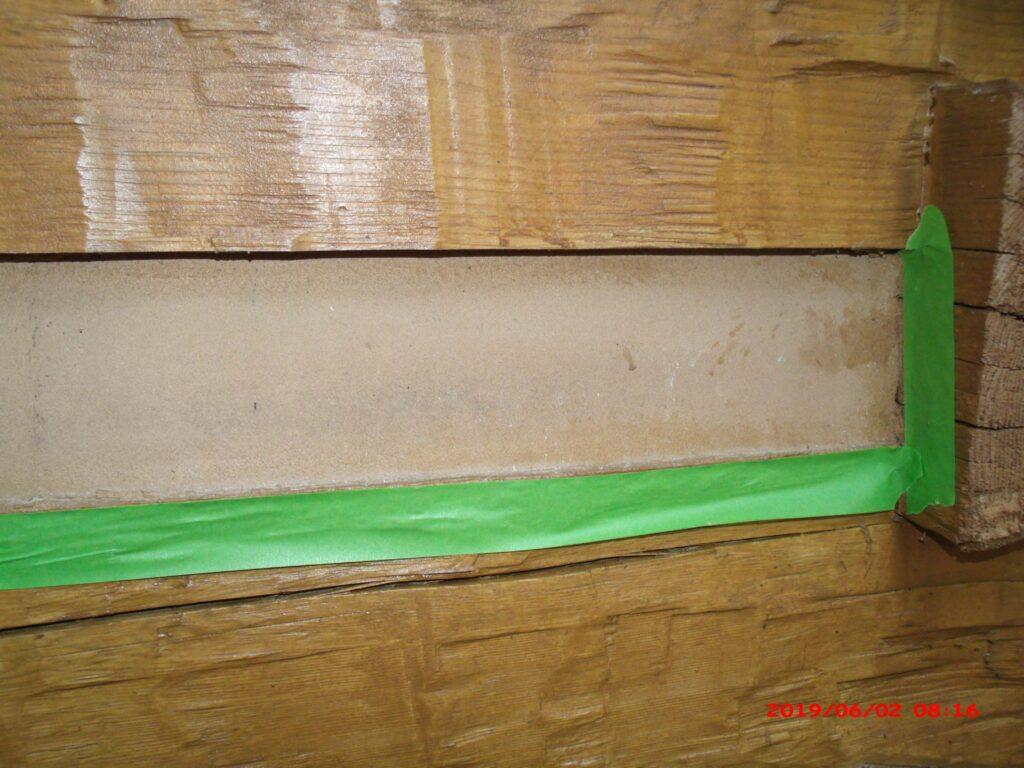
So, after 31 years, I took a close look at a log wall that has been exposed on the Southwest side, where it get as much abuse from the elements as possible, and here is what I found: Out of eight horizontal runs of Perma-Chink, only one showed any indication of age. This was course number 5 and is the one directly under the 32′ tie log that runs above the fireplace, where the interaction of the stonework to the log wall can sometimes cause the log to ‘hang up’ and not fully settle. This was confirmed by looking at the dovetail corner notch, where there had been some separation. Even though Energy Seal was not yet available, the caulking originally used there was still in good shape and there was no danger of air or water infiltration on the dovetail notch that sloped away from the home. Even with all of that, the Perma-Chink separation was less than 1/16th of an inch, and in that one run only, the other seven runs were still providing a perfect airtight and watertight seal.
The surface seemed to be slightly faded, so I got out my Frog tape and taped the lower edges of the chink spaces (because I am not as meticulous with a brush as most people) and proceeded to refresh the surface of the chinking with Chink Paint. Twenty minutes later, the surface on that wall was like new and I am looking forward to answering the question again at the next trade show with: “I don’t know, we’ve only been using it for 37 years and if you want to refresh the color or change the color, a little Chink Paint will quickly get your home as good as new.”
Why Perma-Chink Sealants Are the Best Choice for Your Log Home
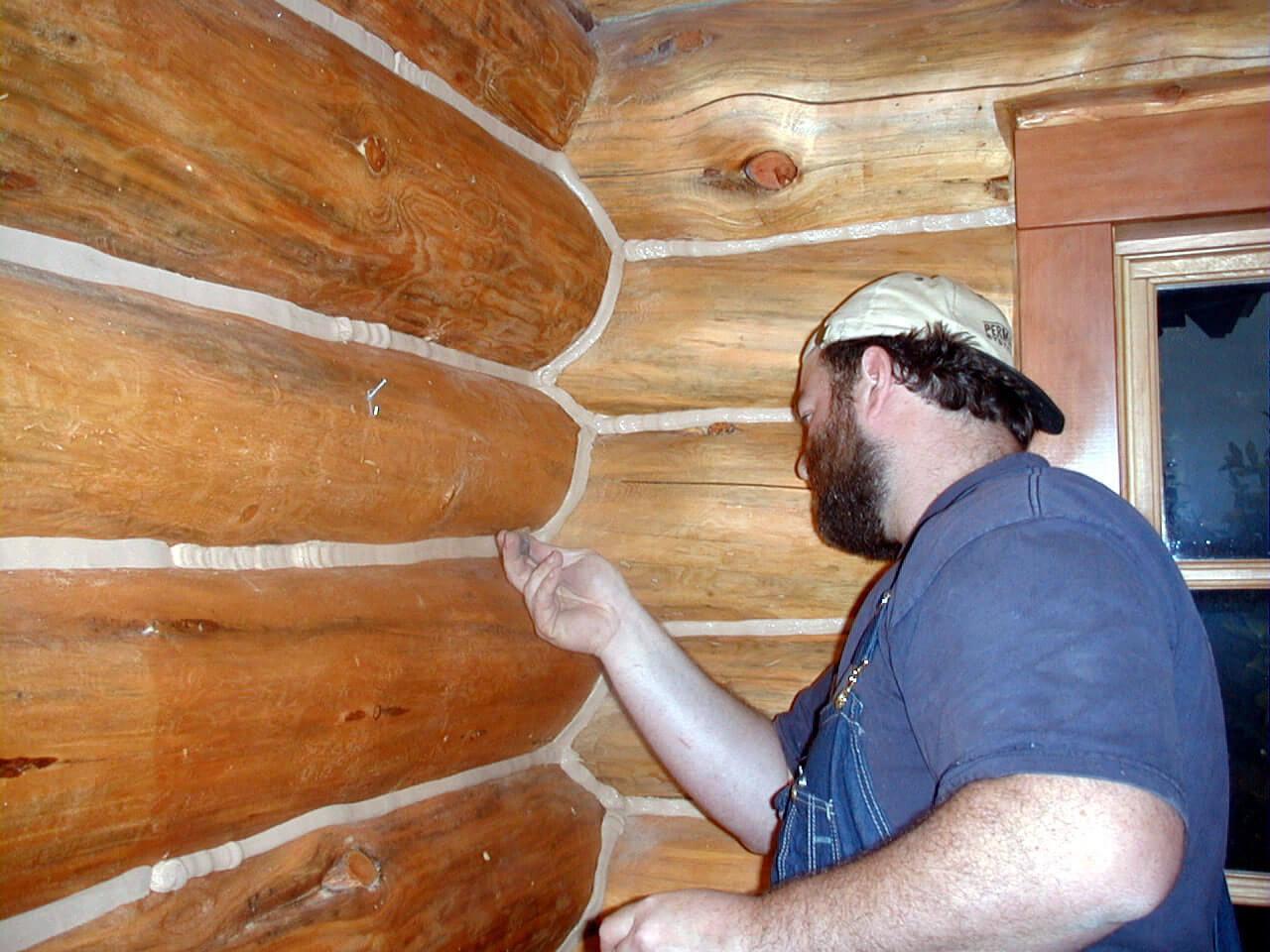
Sealants play an essential role in our daily lives, from the windshield of your car to the bathtub, and even your windows. They keep water out, prevent air leaks, and ensure your home stays comfortable and protected. But not all sealants are created equal, and when it comes to log homes, the right sealant can make all the difference.
Everyday Examples of Sealants
You may not realize it, but sealants are all around us:
- The windshield of your car is held in place with a sealant to keep water out.
- There’s a bead of sealant around your bathtub to prevent water from seeping behind tiles.
- Your windows are sealed with a special material to stop cold air, rain, and drafts from entering your home.
If you take a close look, you’ll notice that sealants vary in texture, flexibility, and performance. The best sealants are those that remain flexible and durable across a wide range of temperatures, sunlight, and environmental conditions. And this is where Perma-Chink Systems really shines.
Why Choose Perma-Chink Systems Sealants?
So, why do homeowners choose Perma-Chink Systems sealants for their log homes? Here are three key reasons:
- Keep the Elements Out: First and foremost, Perma-Chink sealants provide a reliable barrier that keeps water, air, and insects where they belong—outside your home.
- Attractive Appearance: Our sealants are designed to blend seamlessly with the natural look of your log home, offering an attractive finish that complements your decor.
- Proven Performance: With a reputation for long-lasting durability and superior performance, Perma-Chink products are trusted by homeowners and professionals alike to deliver reliable, long-term protection.
Why Sealing a Log Home Is Different
Sealing a log home presents unique challenges. Logs are naturally irregular, and when stacked on top of each other, gaps can form between the logs or around window and door frames. These gaps allow cold air, water, and even bugs to infiltrate your home. That’s where Energy Seal® comes in.
Energy Seal: The Ideal Solution for Log Homes
Energy Seal is a textured, acrylic polymer sealant specifically designed for log homes. It provides a flexible, durable seal that adapts to the natural movement of logs as they expand, contract, and shift with changing weather conditions. Here’s why Energy Seal stands out:
- Flexibility: Energy Seal’s flexibility allows it to maintain a tight seal as logs twist, turn, and shift with the seasons, ensuring that gaps don’t reopen over time.
- Water & Air Tight: It creates a resilient, water- and air-tight barrier, preventing moisture infiltration and keeping drafts at bay.
- Texture for a Natural Look: The textured surface of Energy Seal serves two purposes:
- Flat, Non-Shiny Finish: Once cured, Energy Seal doesn’t have the shiny, artificial look of typical caulking. Instead, it achieves a natural, matte finish that blends seamlessly with your logs and stain.
- Better Stain Adhesion: The textured surface also allows Energy Seal to accept stain more effectively, ensuring it blends in and virtually disappears when you stain your log walls.
Pro Tip: Staining Over Energy Seal
If you plan to stain over Energy Seal, here’s a helpful tip: choose a stain that’s slightly lighter than the color you intend to use for your logs. It’s easier to cover light-colored Energy Seal with a darker stain than it is to cover darker sealant with a lighter one.
Seal in Comfort, Save on Energy
By sealing your log home with Energy Seal, you’re ensuring long-lasting protection against the elements while also boosting your home’s energy efficiency. Don’t let gaps and cracks waste your energy and money—choose Perma-Chink Systems sealants for the best in performance, durability, and aesthetics.
Let us help you keep your home snug and energy-efficient this winter.
The RHEOLOGY of Perma-Chink
Theoretical aspects of rheology – a branch of physics – deal with understanding the relation of the flow and deformation behavior of material and its internal structure.
The rheology additives in Perma-Chink help ensure that the polymer properties meet specifications for the end use (texture, product film properties) and product quality.
Rheological properties of Perma-Chink
- Greatly improved low shear (as in standing after application) results in high viscosity to prevent slumping
- High shear (as in pumping ) decreases viscosity to make the product easier to apply and tool.
Tips On Applying Perma-Chink
Some people think that Perma-Chink sealant is just like any other caulking product on the market, so they apply and finish it with the same methods. Typically, silicone caulking can be smoothed just by running a damp finger along the bead of caulking. Using that method with Perma-Chink will give you less than desirable results. To get a smooth, clean finish with Perma-Chink, spray the sealant liberally with water then tool it with a metal spatula or similar. It may seem counter-intuitive to apply water to smooth it, but it’s the best method. Unlike smooth caulking, the texture in Perma-Chink (and Energy Seal) needs more water to maintain a smooth finish. And it’ll be much, much easier.
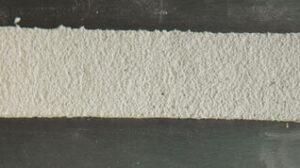
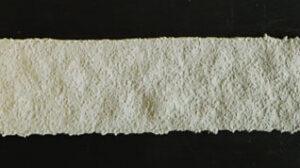
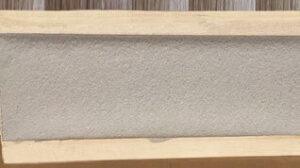
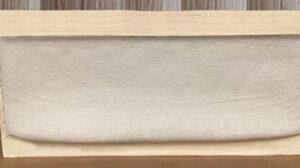
*Substrate conditions such as substrate outgassing, volatiles in the wood and backing materials can contribute to formation of blisters.
Want to learn how to apply log home chinking? Download our Sealants Application Guide here.

MOBILE LOG CABINS (or PLUG & PLAY TRADITIONAL LOG HOME)
By Dan Waring, British Log Cabins
Mobile homes…Traditionally an ugly metal box, BLC have taken the parameters defining the mobile home and delivered a beautiful alternative LOG CABIN!
Developed in response to an increase in the popularity of ‘Log Cabin Holidays’ our Mobile Log Homes include everything. The entire building is prefabricated off site in our log building yard on a specially designed rolling chassis.

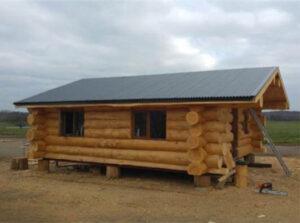
The building comes complete including a kitchenette, bathroom suite, LPG boiler, radiators, log burner and all internal finishes.
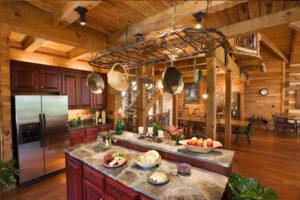
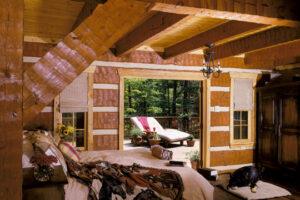
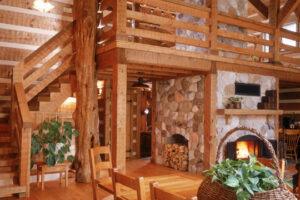
All that is required on site is a concrete slab and waste and water connections – they really are a plug and play, traditional log home!.


Log building as a construction method and art form has been around for centuries. It’s origins were in Eastern Europe and Scandinavia. As a trade it has a long established history. The often romanticized vision of a cozy, traditional log cabin in a holiday area is now a reality.

As a mobile home, The Nook is not only completed to a very high standard in both design and construction and very well insulated but it is also VAT free. The mobile home is delivered in two halves and re-joined on site. This reduces the impact of onsite construction works.
If you want a mobile home log cabin within your garden to be used as an extra room in addition to the main house then you will not need planning permission unless you live in a conservation area.
Mobile cabins are a great idea if you are thinking of starting or expanding a holiday business . The cabins are of high quality, and provide a wow factor that normal static caravans do not.
To find out more about The Nook, visit British Log Cabins website https://www.britishlogcabins.com/mobile-log-cabins
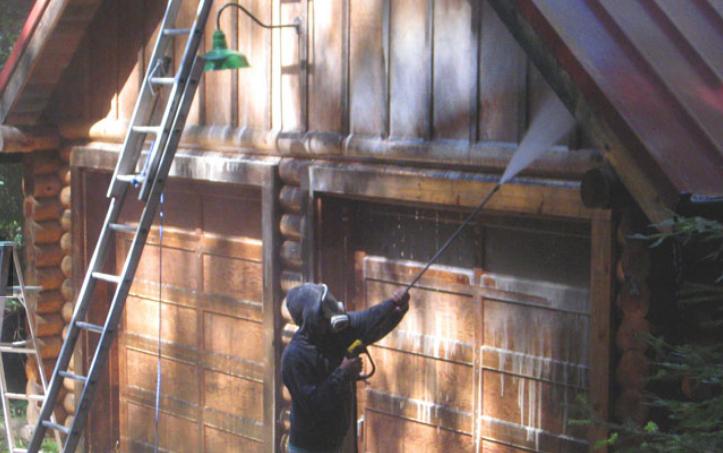
Perma-Chink’s Technical Team has devoted a tremendous amount of time on projects to develop high quality products. These projects involved a significant amount of scientific testing that helped define our product portfolio with new and improved products.
Here are 4 things we have learned along the way:
1. The more sterile the log surface is prior to staining, the less chance there is for mold formation underneath the stain.
Although this statement seems to be self-explanatory, it can never be overstated. The most important step prior to applying a wood finish is surface preparation. The surface of the logs really needs to be clean and sterile prior to applying any stain; it helps eliminate adhesion failures due to surface contamination.
Before you apply a new coat of stain, you should pressure wash or media blast the surface. This cleans off dirt and debris and removes the old finish that has lost ability to adhere to the wood. Along with pressure washing, you may need a chemical log cleaner. The two wood cleaning solutions we recommend are Wood ReNew (Sodium Percarbonate) or Log Wash.
Apply the cleaning solution with a garden sprayer to the logs from bottom to top and allow the solution to remain on the wood for 15-20 minutes (do not let cleaner dry). Now use the pressure washer to wash down the wall with clean water from top to bottom. Use pH strips as a quantitative tool to determine if all of the cleaning chemicals have been removed from the surface of the logs.
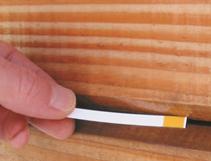
Measure the pH of the rinse water to determine a baseline pH. Then measure the pH of the run-off at a several places on the wall once you are through rinsing. You need to continue rinsing until the pH of the run-off is in the range of 6.8-7.4. PH Strips with a range of 6 to 9 can be found at most pool supply stores, local drug stores, or discount stores.
Now here is where many people get into trouble. Let’s say that it has been five days or longer since the logs have been cleaned and you are still not ready to stain. The day before you are going to stain a wall, go out and wash it down with Log Wash.
This process will remove any dirt and pollen that may have accumulated on the logs since you cleaned them, and kills any mold spores that may be adhering to the wood. This helps to eliminate the risk of mold formation under the stain by removing both the mold and its food source.
2. Iron tannates are responsible for some discolorations commonly attributed to mold and mildew.
Tannins are compounds in wood that are found at highest concentrations in heartwood and bark. Under the right conditions tannins can react with heavy metals such as iron to form a dark blue/black stain known as metal tannates.
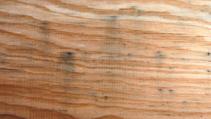
Visually these stains have a similar appearance to mold and mildew. However, under the microscope these stains are crystalline in structure.
One additional visual difference is that metal tannate stains almost always appear on the surface of wood, not on top of the coating. Dark streaks and dark runs down the surface of the log are also indicators of the presence of metal tannates. Wood ReNew (even bleach) will not remove this type of stain since it is not biological in origin. However, an oxalic solution like OxCon will completely remove the metal tannate stain. The oxalic acid reacts to change the oxidation state of the metal (iron tannate) to form a colorless species, thus removing, or “blonding,” the stain.
3. Many Industrial Wood Cleaners and Household Cleaners have detrimental effects on log finishes.
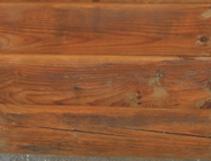
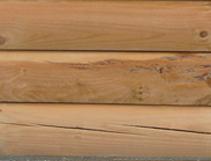
Many household and industrial wood cleaners are either strong organic solvents or highly alkaline and corrosive with a pH above 12. These types of cleaners can have detrimental effects on existing wood finishes, especially if they are left on the surface of the finish for too long, or if they are applied at concentration greater than recommended. Although the damage might not be visibly evident at the time, the use of these cleaners can reduce the longevity of the wood finish by increasing the erosion rate.
Our wood cleaner Log Wash will perform all of the functions of a typical cleaner without disrupting the look and performance of our wood finishes. Log Wash has slightly acidic pH, similar to that of wood. This means that when applied to wood it does not disrupt the wood’s chemistry.
4. Wood finish removers do not dissolve finishes; they only soften them enough to allow the finish to be removed with pressure washing.
A few years ago, pressure washing was the only way to go when it came to removing old finishes. With the introduction of media blasting, some people began to consider pressure washing as a secondary, inferior method of finish removal. Actually, pressure washing is still an excellent cleaning method for many situations.
It is always best to use finish removers supplied or approved by Perma-Chink Systems. Never use finish removers containing potassium or sodium hydroxide. They disrupt the chemistry of the wood and can lead to discoloration appearing under the finish. Before purchasing any finish removers, be sure to obtain a sample and test it on your existing finish.
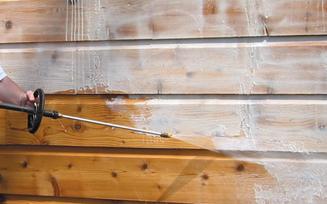
Our S-100 Finish Remover and StripIt are formulated so that they can be applied “as is” using an airless sprayer. Their viscosity is such that they do not need to be diluted with water to be run through airless spray equipment. However, it is a good idea to thoroughly mix the S-100 with a Jiffy Mixer before spraying it. Just be careful to keep dirt and other debris out of the product.
APPLICATION
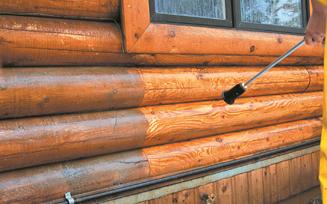
The first step before starting to remove a finish is to take off downspouts, gutters, and lighting fixtures, and mask off or cover those areas that you don’t want to strip; they may become discolored if contacted by the product you are using. The next step is to wet down and cover any plants and shrubs. Both S-100 and StripIt are pretty gentle on plant life once they are diluted with water during the stripping process, but in their concentrated form they may present a problem. The use of perforated weed blocking film works well over plants, roofs, decks and other areas you want to protect, since it allows water to drain through it but catches lumps of concentrated remover as well as any stripping debris. This makes clean up a lot quicker and easier.
Apply the finish remover to one or two courses of logs at a time in a sweeping motion across the entire wall starting at the bottom of the wall. This will help you avoid coating the chinking or sealant joints if they are present. Be sure to only coat an area that you can finish stripping in the allotted time you have. If you coat the entire wall, or too large an area, the finish remover may end up drying on the wall and become difficult to remove. Always apply finish removers at the recommended thickness or coverage rate. If applied too thinly, they may not work and you will have wasted your time and money. Once the finish remover has been applied to an area, submerge the spray gun and tip in a pail of water to prevent the product from drying at the tip and possibly blocking it.

After waiting an appropriate amount of time for the stripper to soften the finish (remember the cooler temperature it is, the longer it will take), you can begin the pressure washing process. Be sure to wash off any product and wet finish debris that’s still adhering to the wall or other surfaces. If allowed to dry, you may end up having to manually scrub these surfaces clean. Once you reach the top of the wall, or if you run out of time, rinse the entire wall starting at the top before you quit. You don’t want any chemical or finish debris to remain on the surface. If you are through for the day, replace the lid on the pail of finish remover and run clean water through your airless sprayer until clear water comes out of the gun.
Project Highlight
The project: Full exterior renovation of 40-year-old log home, including improving energy efficiency. The project required cleaning and mold/mildew removal, wood lightening, wood brightening and hand sanding. The Log Home Restoration project by T Paul Sec Painting won first place in PWC’s first annual Green Awards.
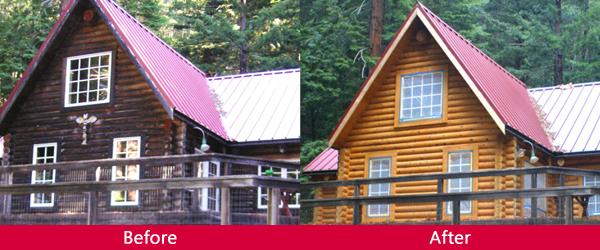
What made it green: All prep products used were eco-friendly and low VOC, manufactured by Perma-Chink Systems, Inc.
Here is a link to this project with more pictures http://www.greenpaintingcontractor.com
We have tested our cleaning products with our finish systems and have confidence that when properly applied, their use will result in the best possible appearance and performance of the final Lifeline finish.
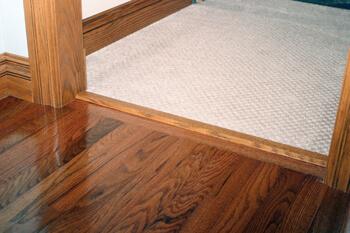
Homeowners almost always have a list of projects to complete around the house. If interior projects are on your list, don’t let winter slow your progress. The truth is, there are several indoor maintenance projects that are ideal for winter.
1. Freshen Wood Trim and Moldings, Doors and Window Frames, Cabinets, etc.
Freshening wood trims, cabinets, doors and window frames are perfect indoor maintenance projects for winter. Winter is the best time to stain inside because the air is drier than humid summer air and helps the finishes dry more quickly. You also can crack a few windows in winter to provide proper ventilation without worrying about bugs flying inside. Another reason to stain in winter is that you will get your inside projects done and have more time to do exterior projects when the weather improves. If you plan to hire a contractor, winter is a better time for interior jobs because they are slower in winter and usually offer off-season deals.
Keep in mind that you do things a little differently when staining interior trim than when staining walls. You’ll need to sand your trim, clean the dust, and then apply finish. You can apply color stain before you finish it with a clear topcoat, or just apply a clear primer Lifeline Prelude directly to wood. Then topcoat it with clear Acrylic Gloss or Satin, or PCS Clear Shield finish. If you would like to add more gloss to your wood trim, PCS Clear Shield is your best choice. Click here for application instructions.
2. Check for Air Leaks
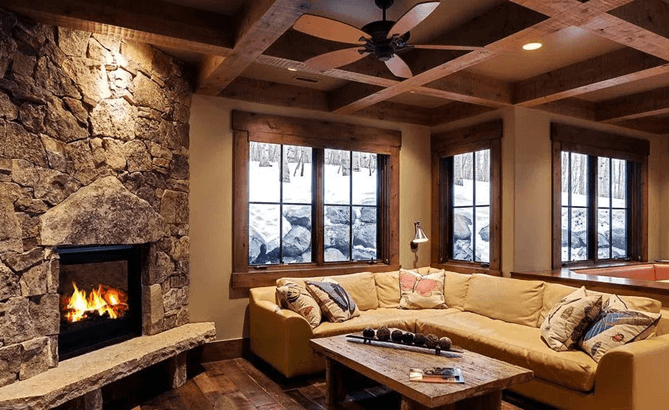
Many indoor winter maintenance projects also help homeowners save money. In fact, one of the best money-saving maintenance tasks is checking for air leaks. According to HomeAdvisor, you can “stop energy-sucking, money-wasting air leaks by caulking, sealing and weather-stripping all of the seams, cracks, and openings in your home.”
There are a few DIY solutions for air leaks. According to the U.S. Department of Energy, reducing air leaks cuts heating and cooling costs, improves durability, increases comfort, and creates a healthier indoor environment for your family. A simple test for air leaks, hold a lit candle or incense stick next to potential sources of air leaks on a windy day. If the smoke blows horizontally, you have a leak to seal.
If your log home is too large for this task, please hire a professional log home contractor. You can find one in our Find a Contractor portal.
It’s especially important to check for air leaks if you have a log-style home since builders intentionally leave room for settling.
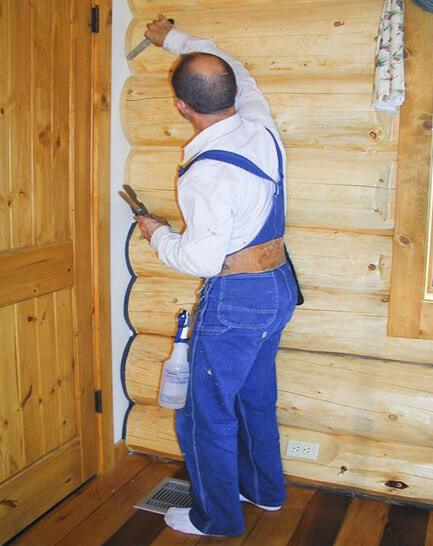
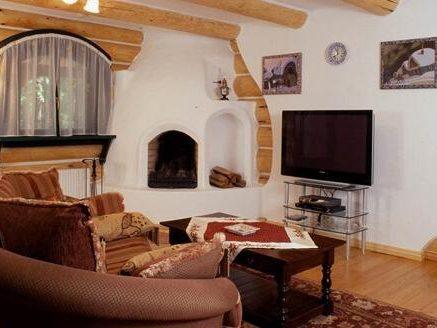
Sealing or caulking and weather-stripping are two common solutions. Seal and weather-strip doors and windows that leak air.
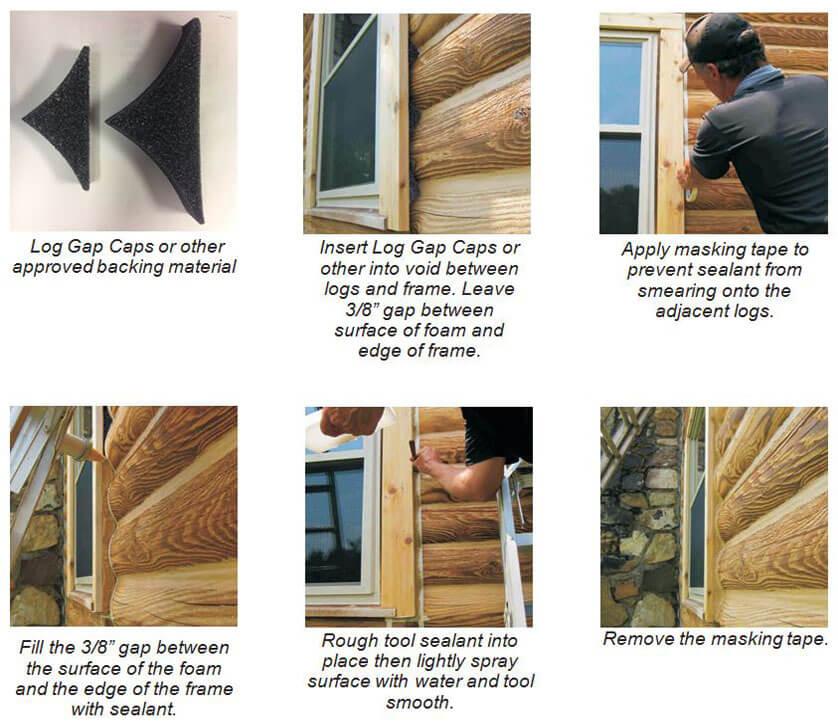
You also should caulk and seal air leaks where plumbing, ducting, or electrical wiring enters through walls, floors, ceilings, and soffits. Cover your kitchen exhaust fan when not using it, ensure your dryer vent is not blocked, and seal air leaks around your chimney, furnace, and gas-fired water heater vents.
Sealing the leak with Energy Seal or Perma-Chink prevents water penetration along with air infiltration. Next you have to decide if you want to attempt to correct the problems yourself or use a professional contractor. For log home owners, here’s where things can get a bit tricky. Most painters and contractors are familiar with sealing and caulking conventional homes, but log homes are different and it takes someone with log structure experience and expertise to do the job correctly. Plus, general purpose caulks and sealants found at local hardware stores and DIY outlets just don’t offer the performance that’s required for the unique needs associated with log homes.
If you need help finding someone in your area who has experience doing this type of work, give us a call and we will provide you with referrals 1-800-548-3554. You can also find a contractor near you by following this link Find a Contractor.
By Seth Murphy
papadiy.com
Home improvements can be expensive, but they can greatly increase your home’s value. When it comes time to decide which improvements to make, there are a few things to consider. Here are some tips on how to improve your home to increase its resale value.
Small improvements can be big!
Did you know that some home improvements only cost a few hundred dollars? Small but noticeable upgrades like repainting your entryway and adding a few nice flowers can really make a difference in how welcoming your home looks, a.k.a. “curb appeal.” Also, the most popular upgrades for dollars spent versus return in increased value are small kitchen and bathroom upgrades. You don’t need a whole redo of those rooms if the appliances are in good condition. Little touches like new lighting fixtures and backsplashes will greatly improve the look with small expenditures of time and money. Installing loose-fill fiberglass insulation in the attic gives the most return for your investment, and it’s not a large expense. Adding energy-efficient windows to replace older, drafty ones can improve both your current energy bills and your future resale value. So go ahead and see what small improvements you can make to have your house be more inviting to buyers.
Large-scale improvements can greatly increase value
If your home furnishings are older and in need of replacement, be sure to look for energy efficiency and universal design. The latter is a relatively new concept that incorporates ability-awareness features into home pieces so that the elderly or those with mobility concerns can use the furnishings easily. Think walk-in showers or lever-style handles rather than knobs. Such features make any room easier to use by all the people in your household, no matter what the condition of their hands or eyesight.
If you are looking at completely redoing your kitchen or bathroom or other rooms in the house, be sure to check around for reputable contractors and design ideas. The more you know going in and the more specific you are with your design plans, the more likely you’ll end up with a remodel that fits into your planned budget. Look online for ideas and local pricing information. For example, HomeAdvisor indicates that the average price to remodel a kitchen ranges from $15,428 to $38,607. Keep in mind that the labor and fixture expenses may vary greatly, as will the timeframe of the project. Comparison shop online to see what new kitchen appliances, bathroom fixtures, and flooring options cost to help you determine your price range for upgrading those or other rooms in your home.
Another consideration is the outside of your home. If you need a new stain job or new roof or siding for the exterior, that should be done before spending money on interior upgrades. Try to make repairs before upgrades. If something is not working normally or looking good, that will be a tip-off to potential buyers that your home has not been maintained well. So walk through and look at everything like you’re a stranger. What do you see that needs repair? What looks shabby, dirty, or just dark? Start with those areas.
So whether you’re looking at a few cosmetic improvements or major upgrades to your home, you can find all sorts of ideas and price points online to help you decide. Look at the upgrades that will quickly improve energy efficiency or functionality. This will help make your home more appealing to buyers. That, in itself, is worth the money.
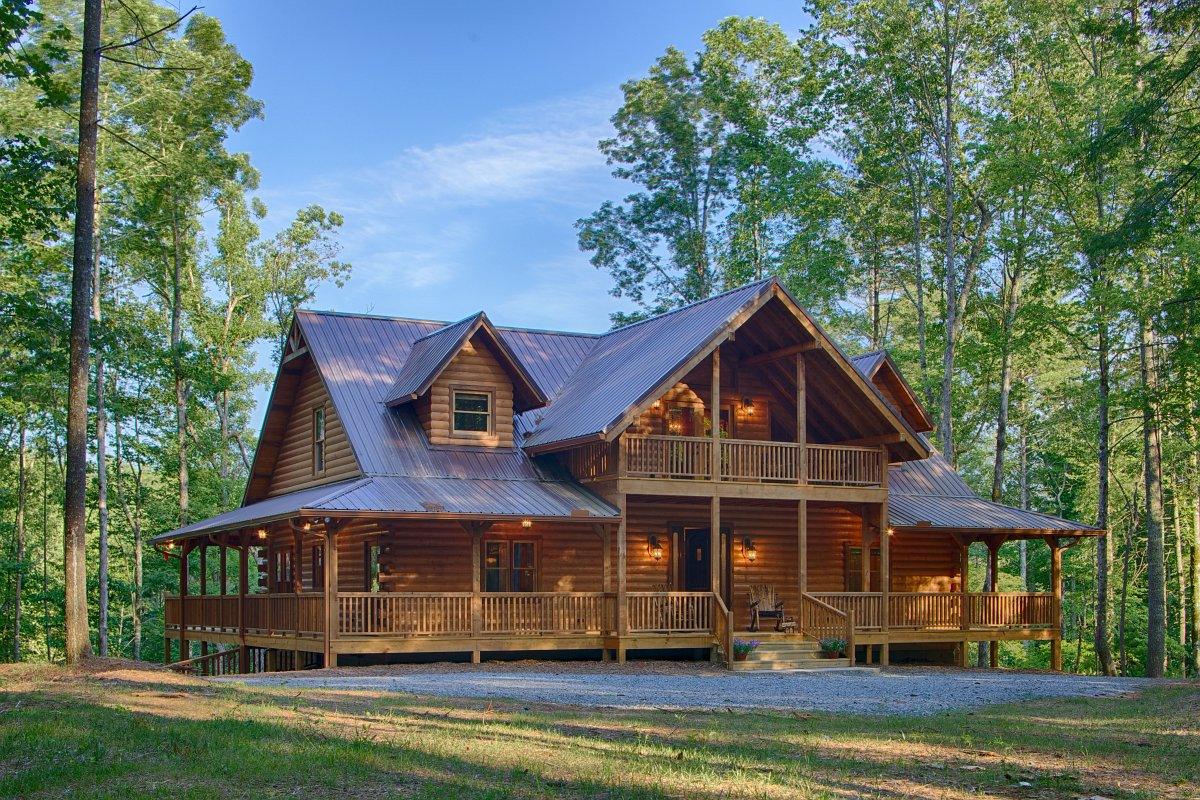
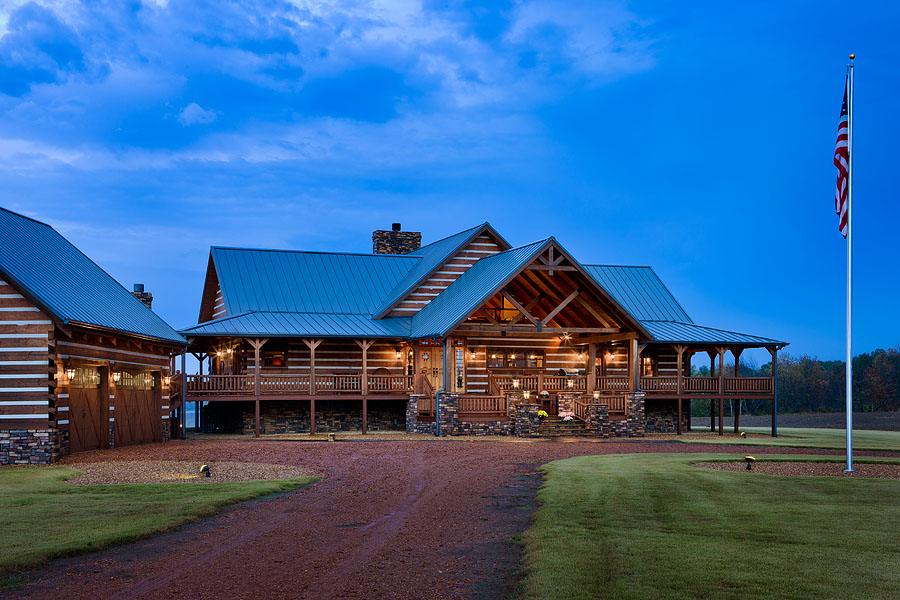
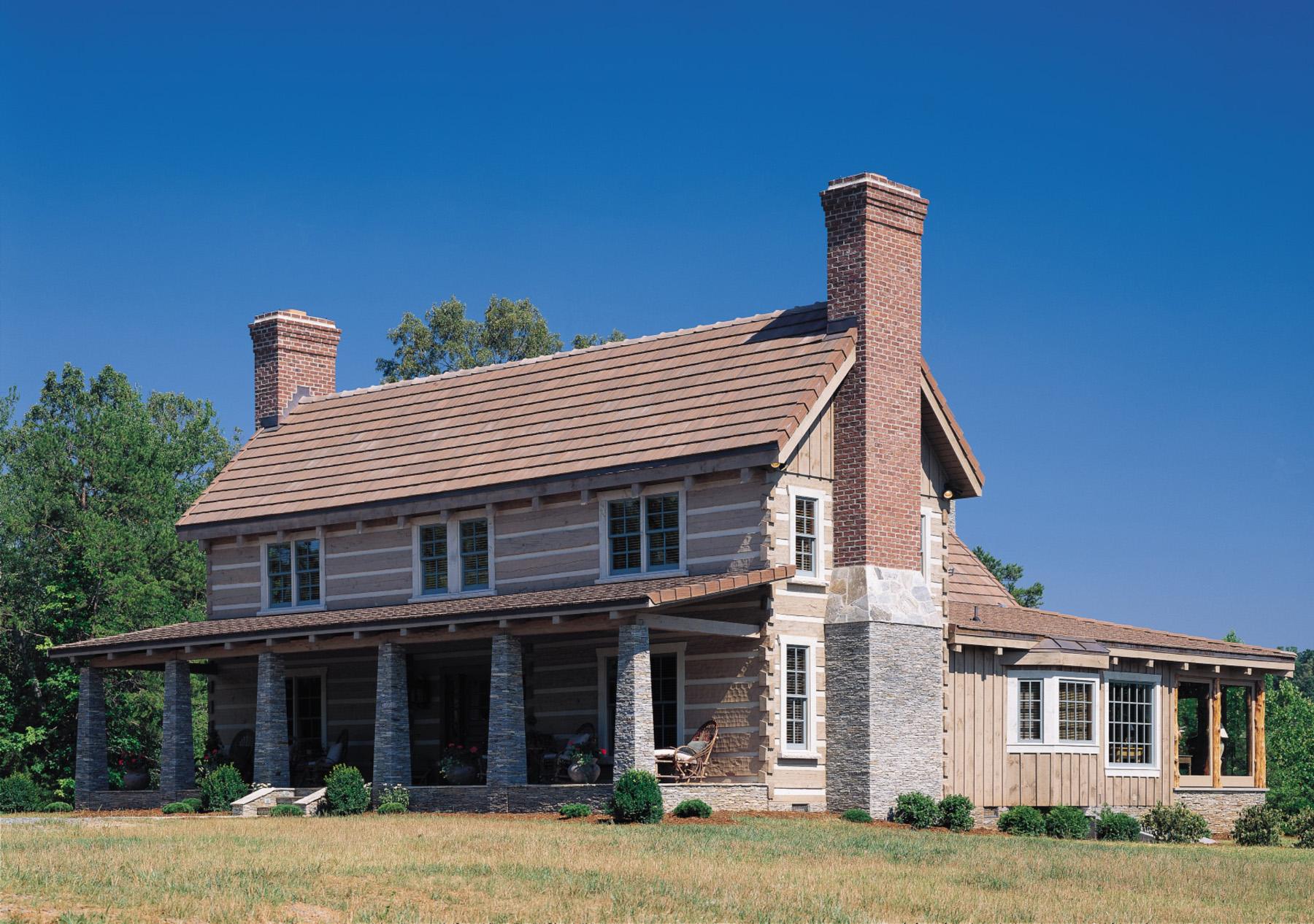
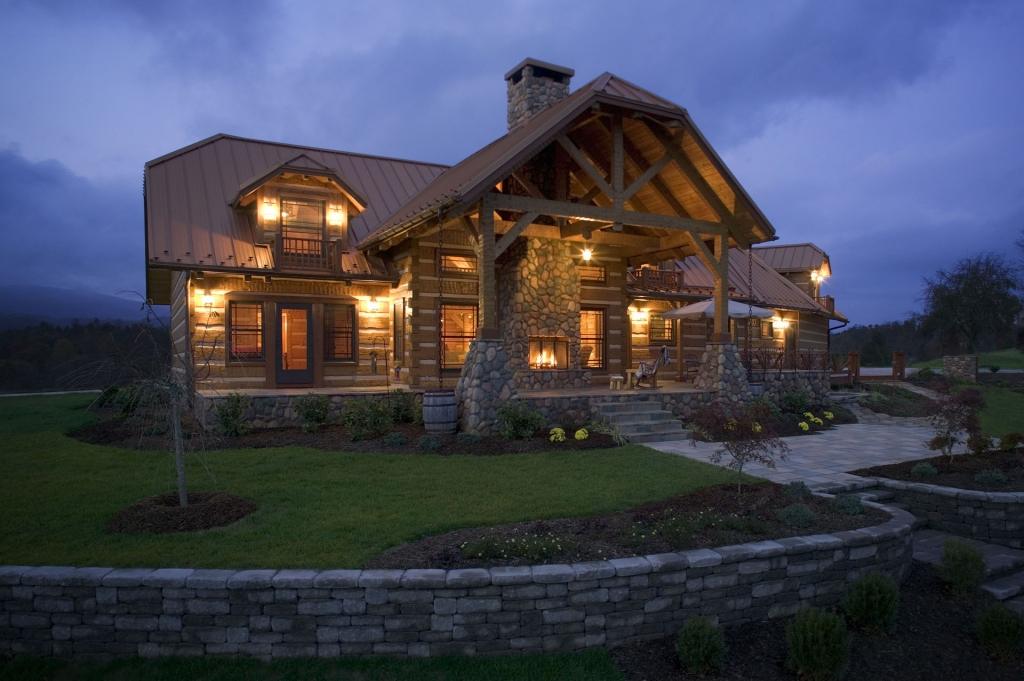
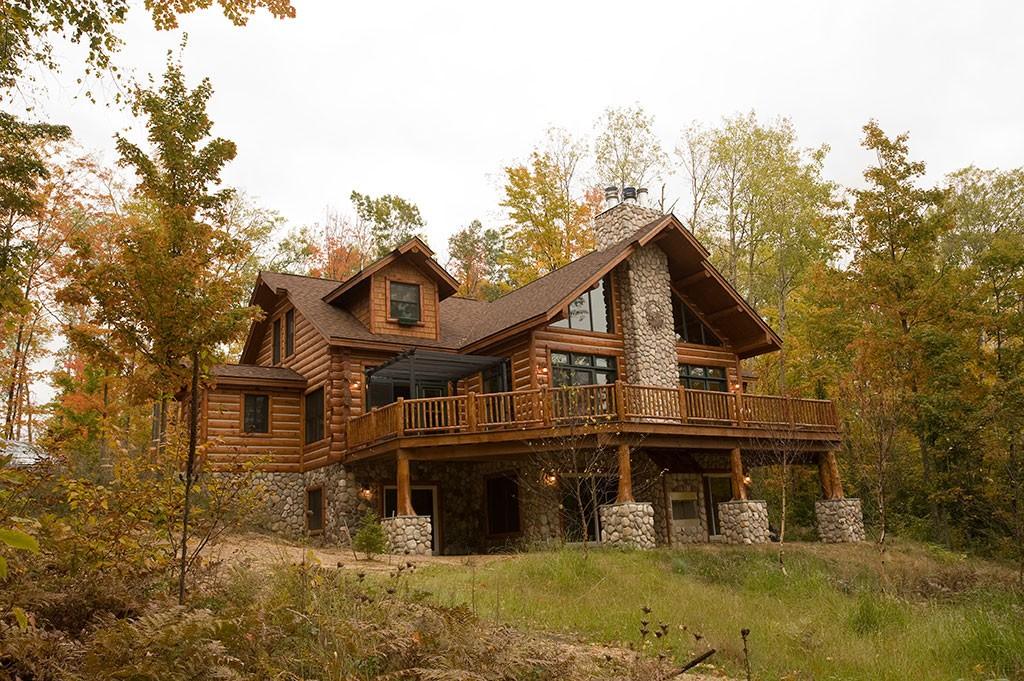
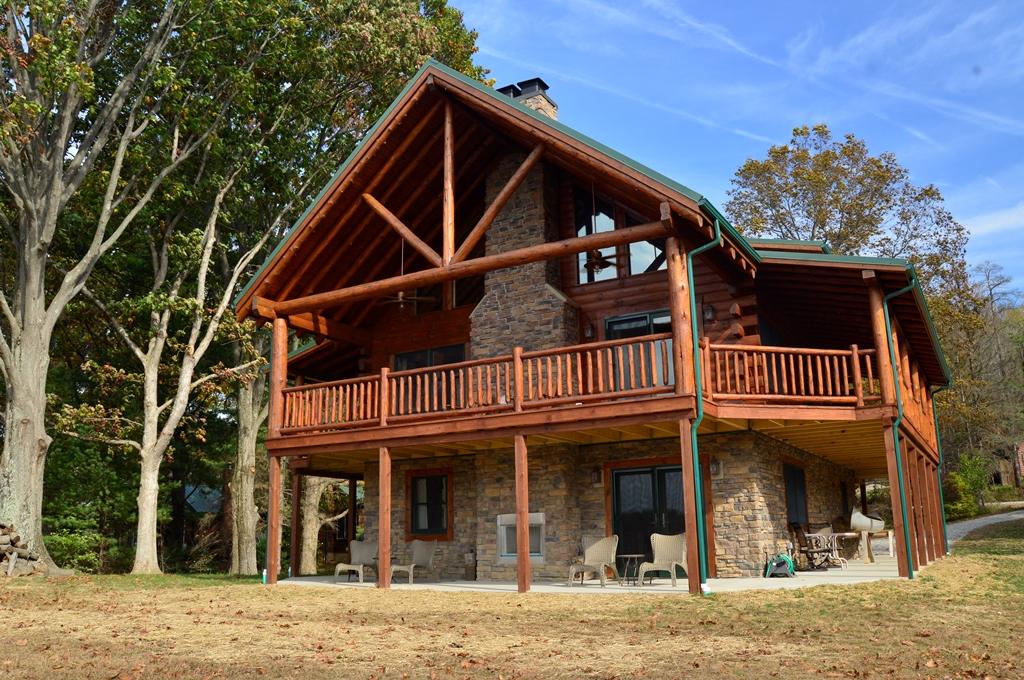
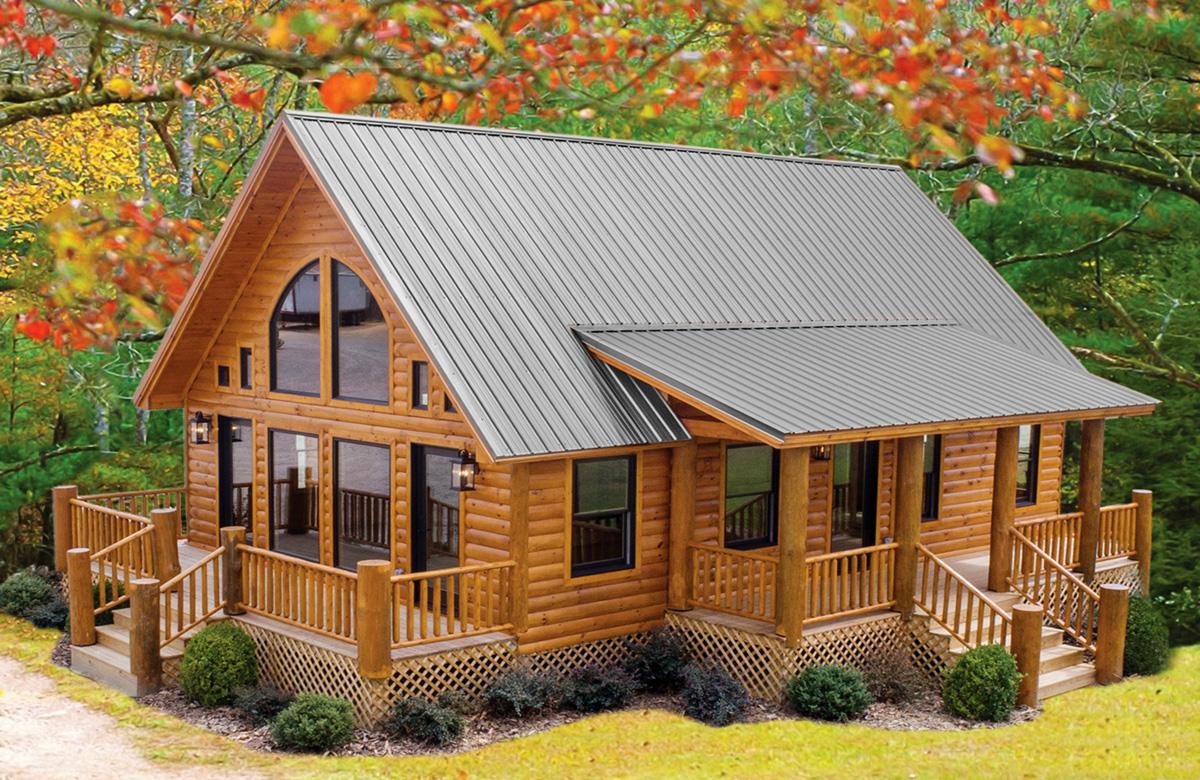
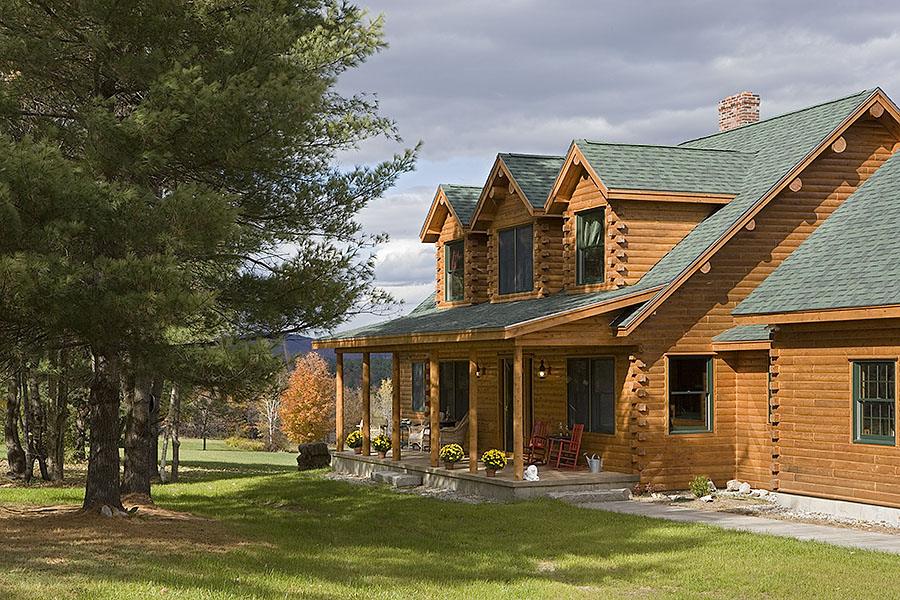
July is National Log Home Month. During the month of July, log home manufacturers will honor America’s log home heritage by hosting home tours, log raising demonstrations, log home building seminars and more. There are many different sizes and styles of log home construction to suit any homeowner’s vision.
Here we present the TOP Log Home Manufacturers in the USA and invite you to visit their websites and see what they have to offer. Each manufacturer is outstanding in quality of craftsmanship, and this is not a ranked list.

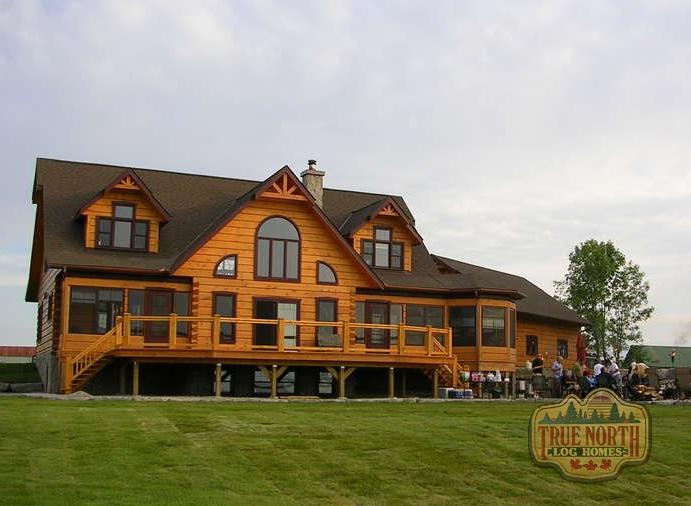
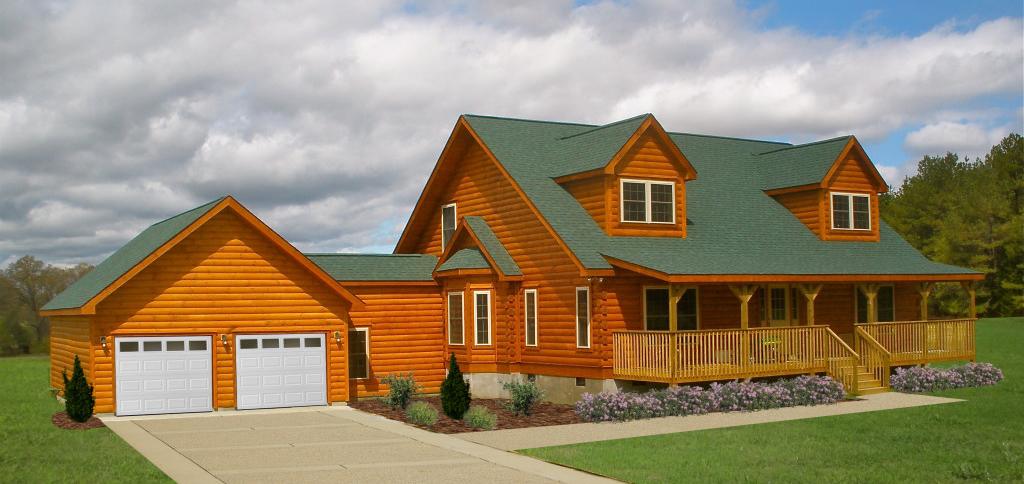
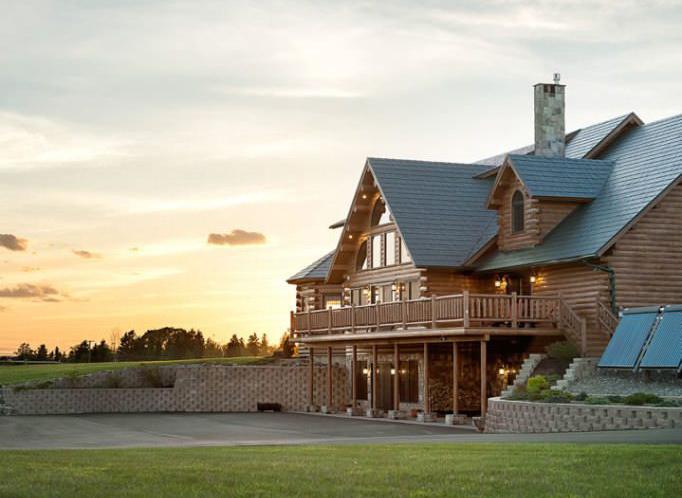
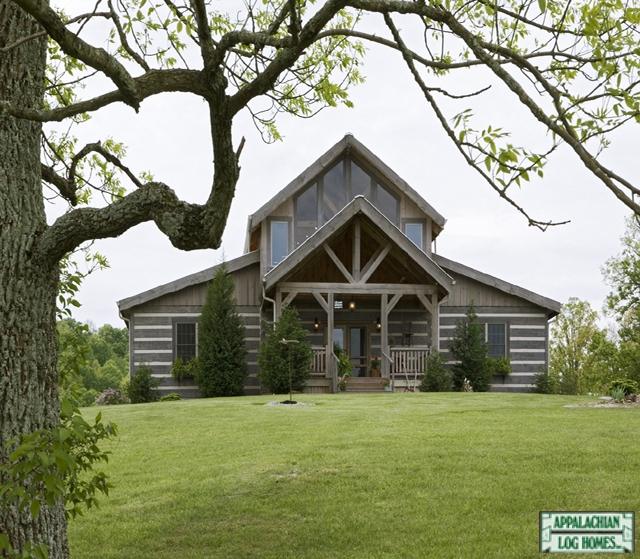


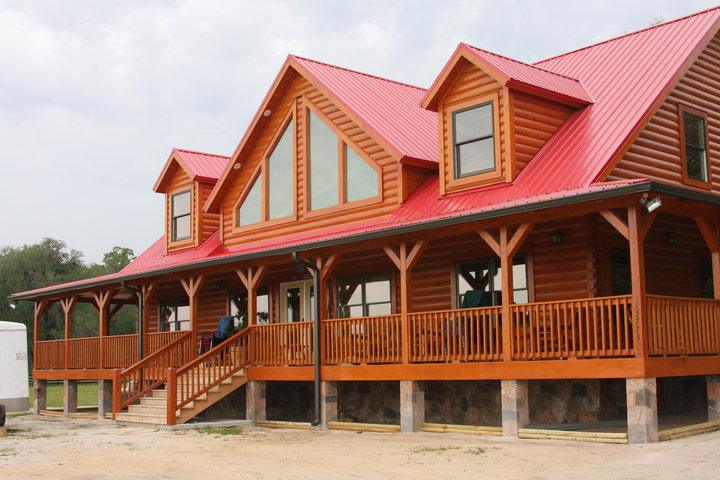
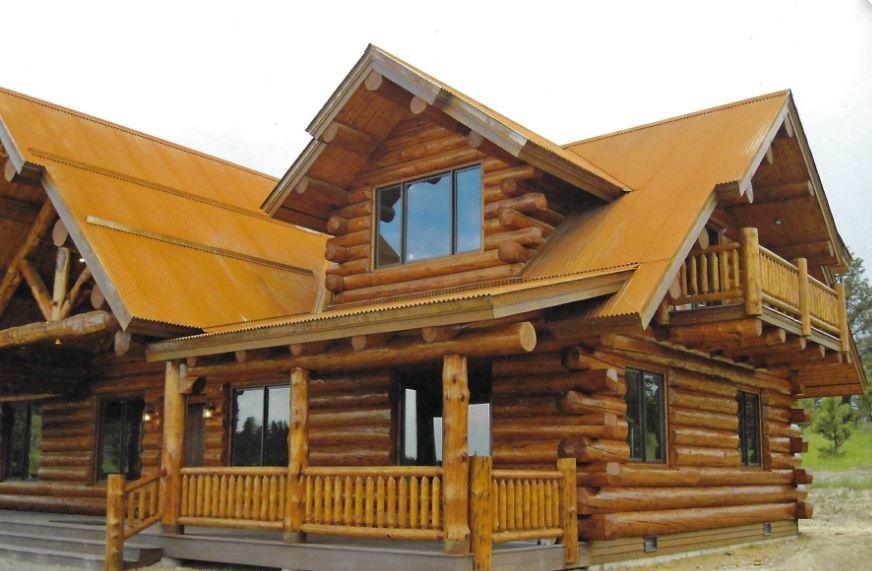
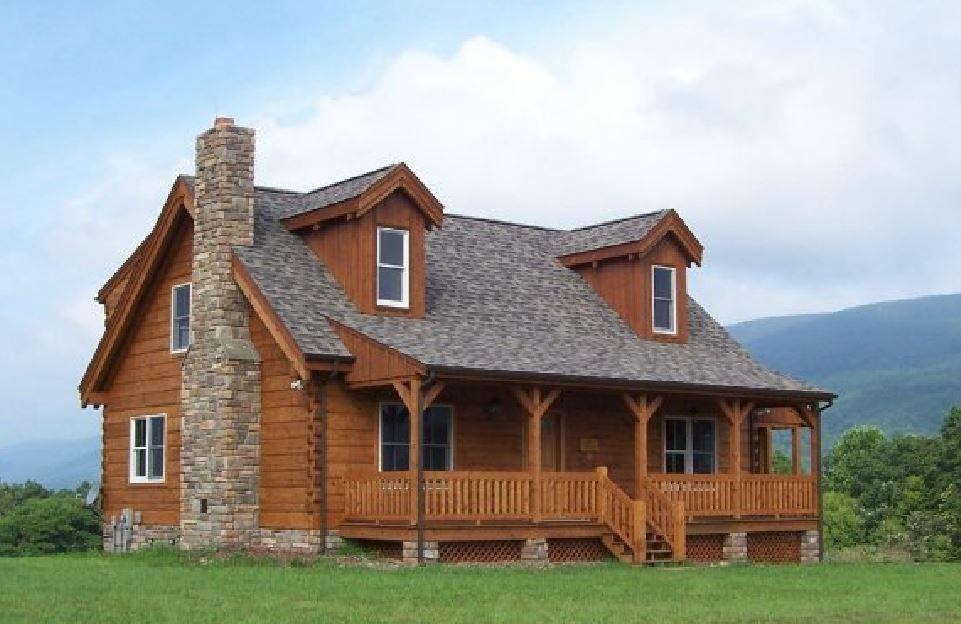
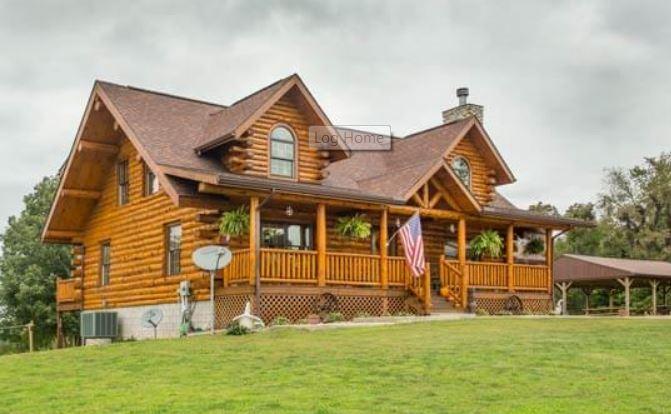
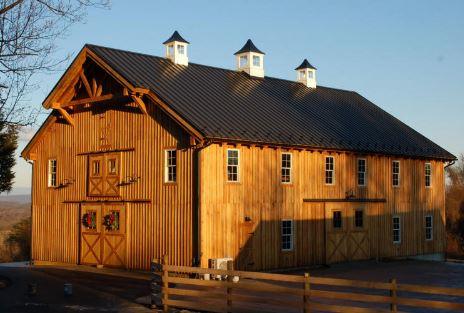

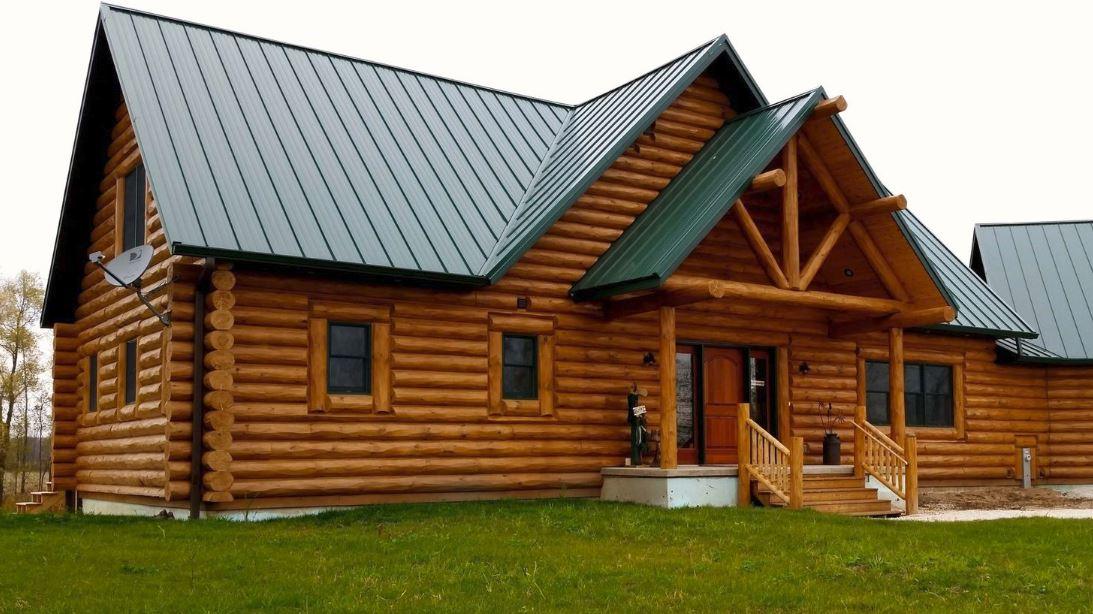
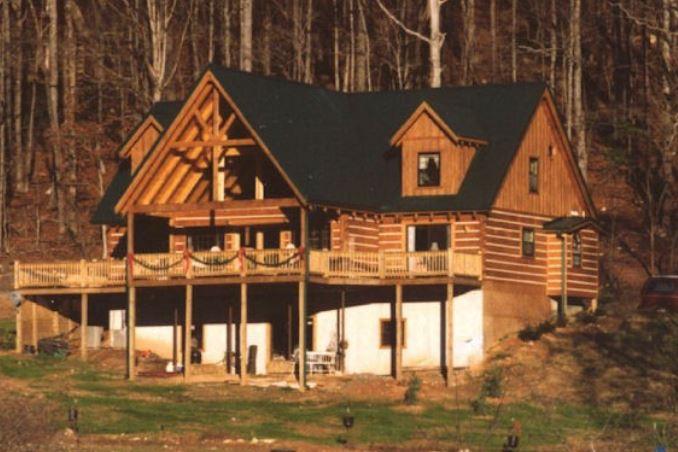
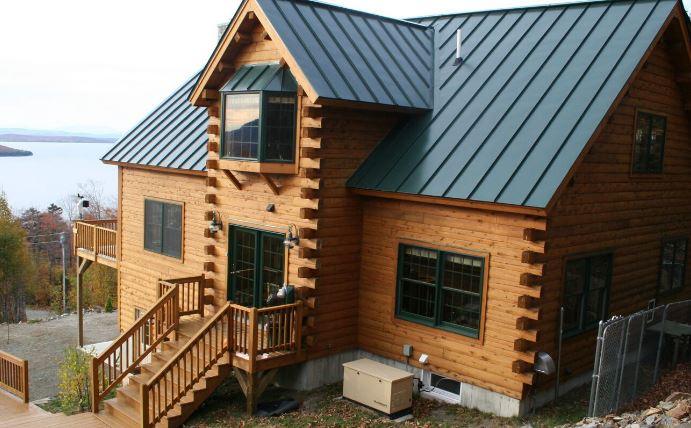
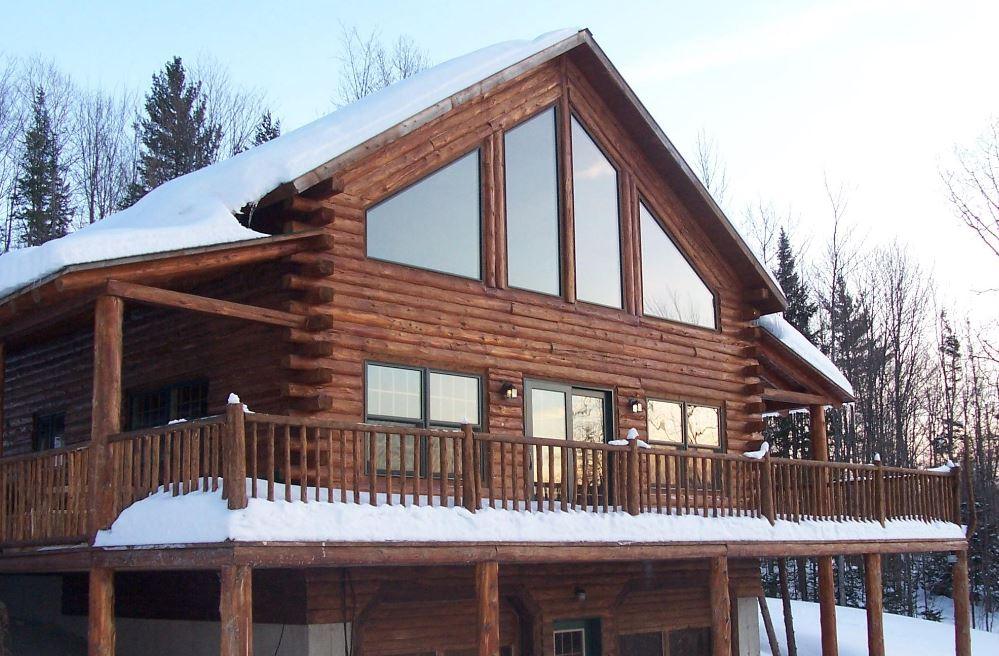
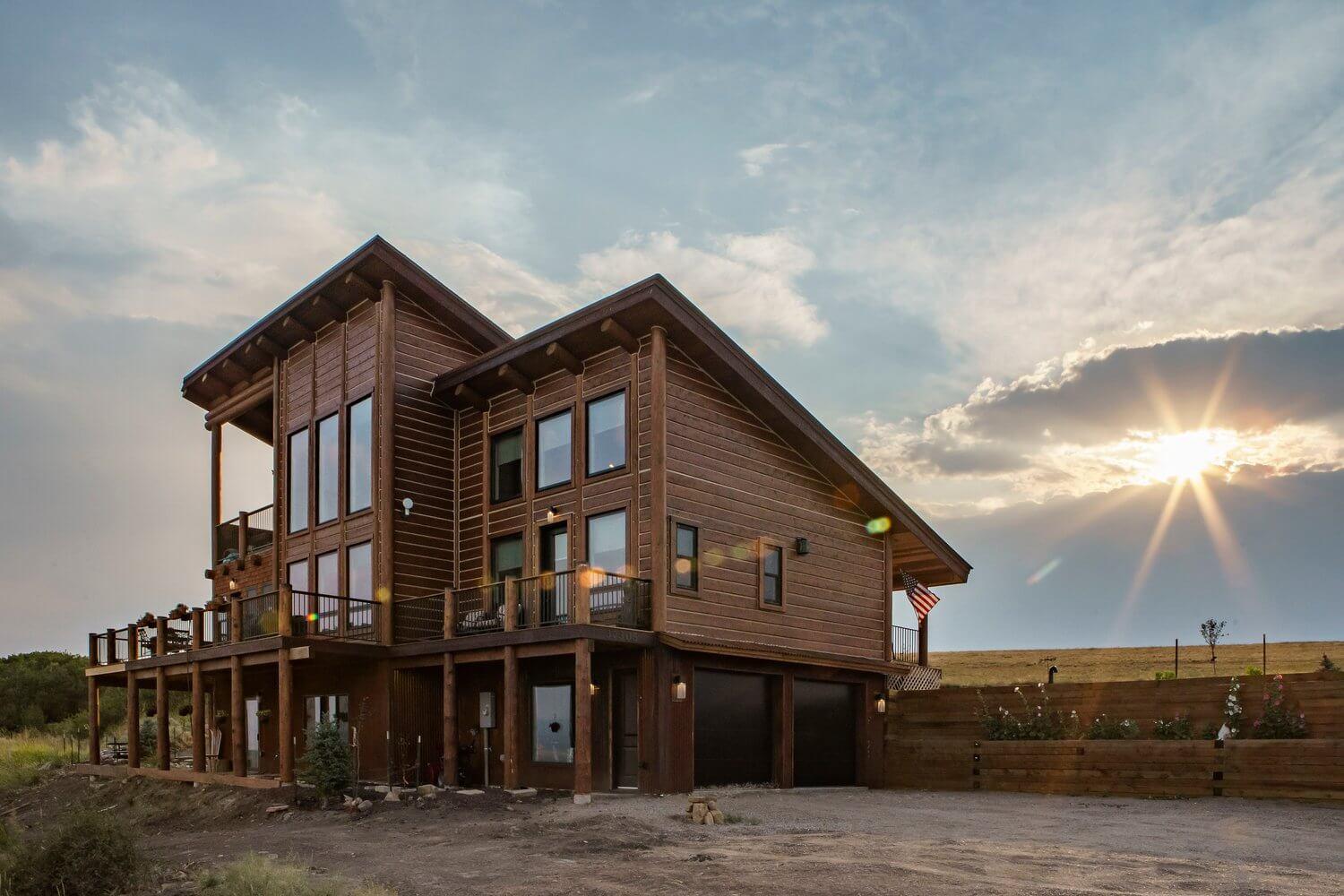


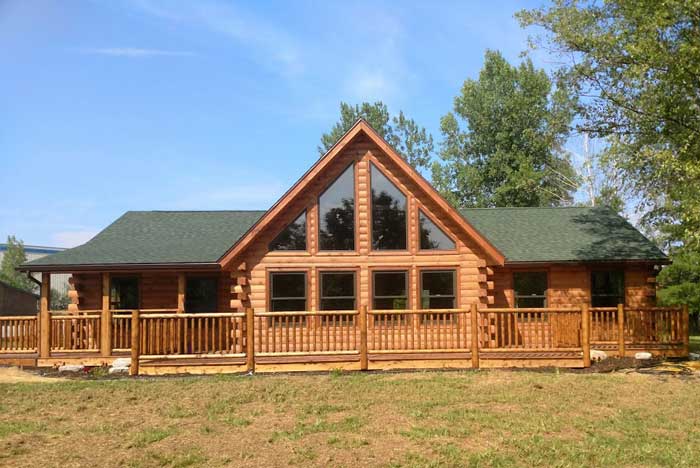
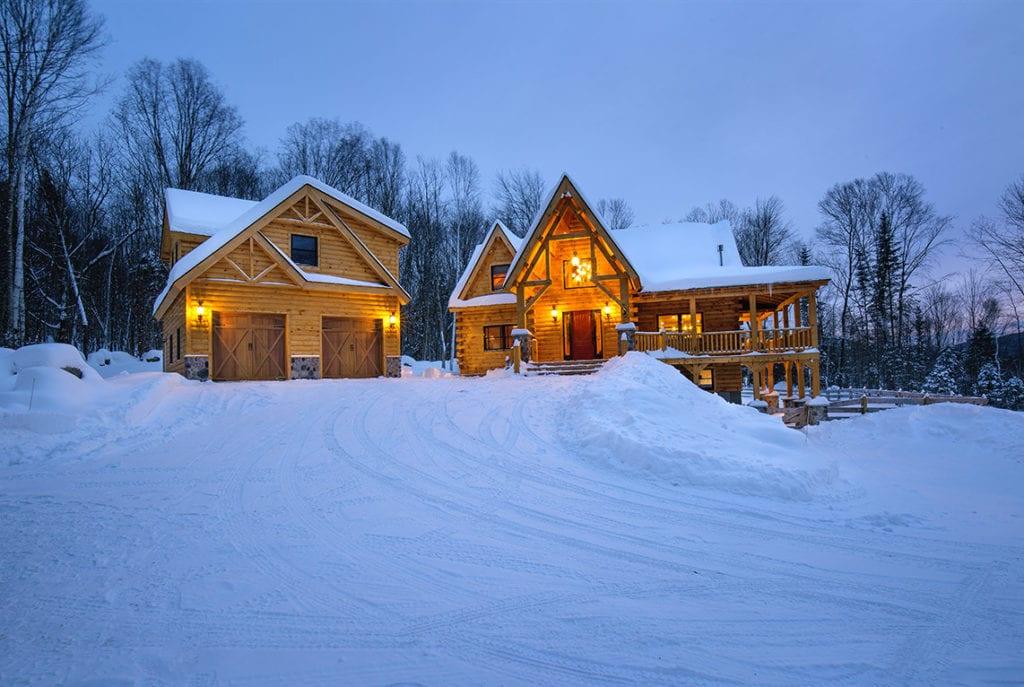

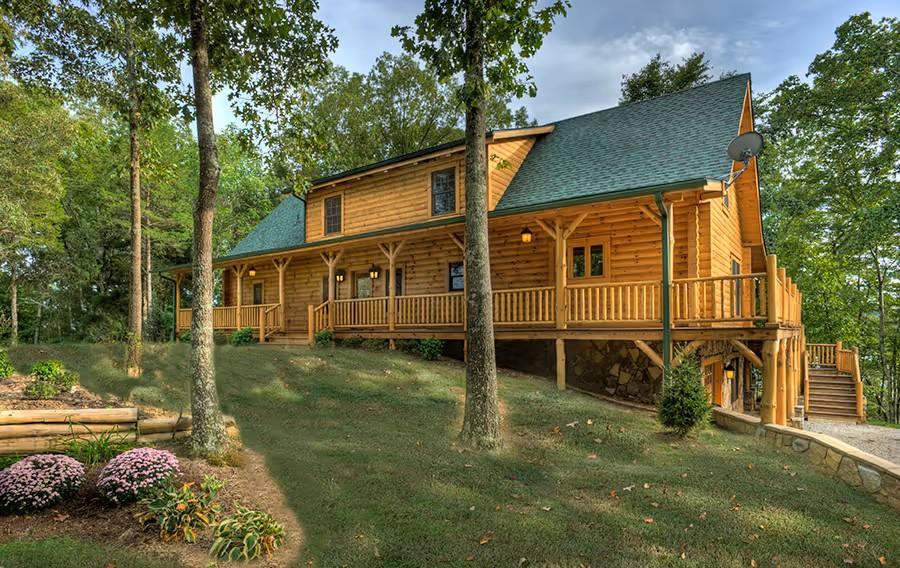
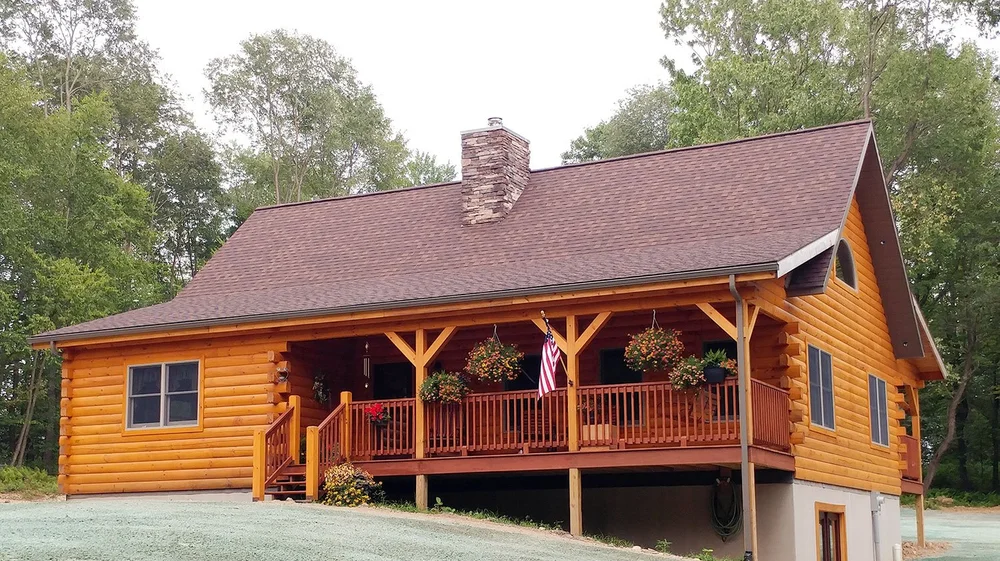
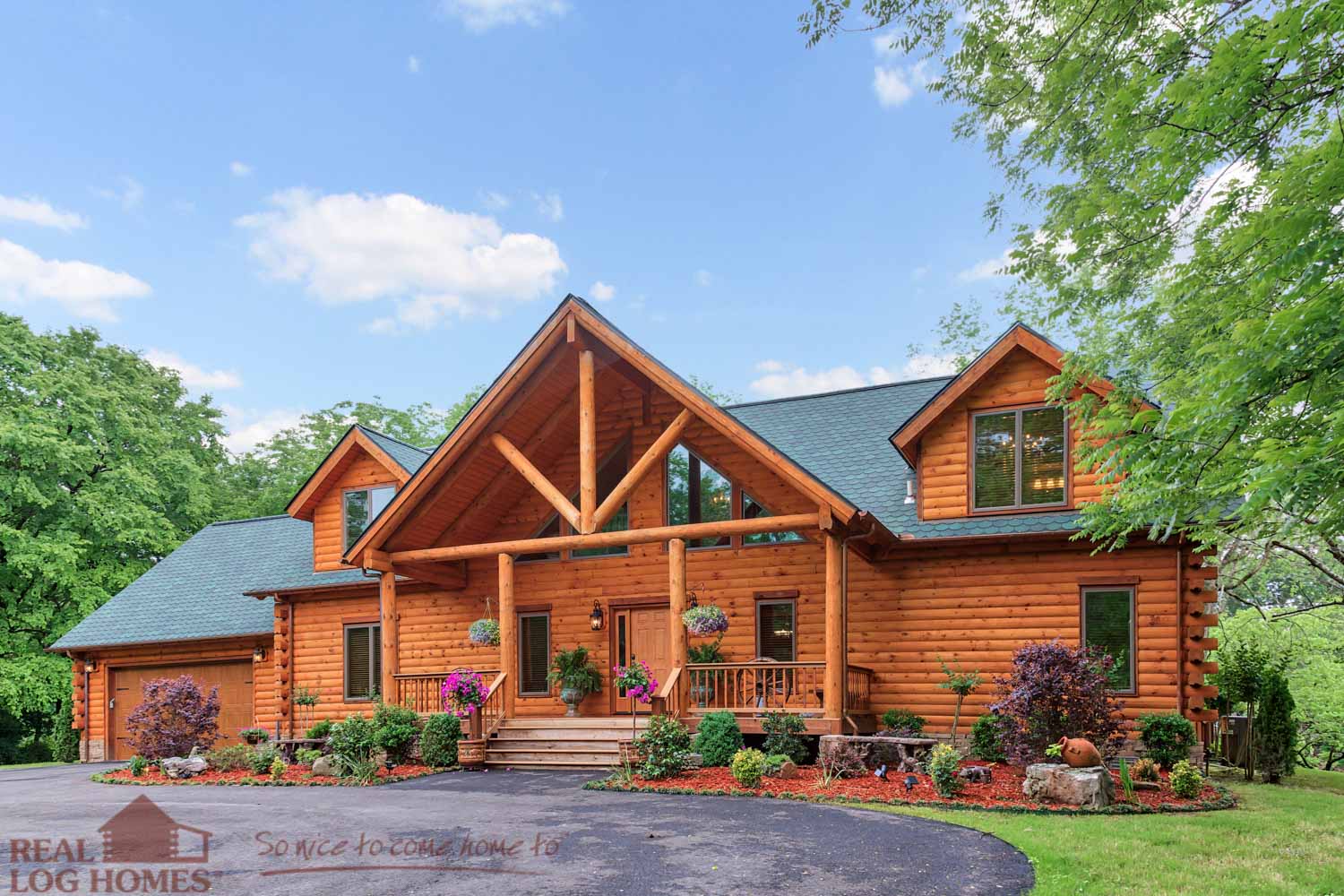

Are American Barns disappearing? Not so fast…
There are thousands of iconic barns throughout America, from different periods in our history. These historic barns were once an integral part of American life.
The traditional design and use of the “barn” has evolved tremendously over the years. We have moved from large, open structures based around cattle stalls and hay storage to huge multi-purpose barn palaces.
A bit of the history
The word barn comes from the Old English language, for barley (or grain in general). The first barns were not American by design but were European-style longhouses that included stables and sleeping quarters. Brought to America along with the first settlers, the oldest barns were constructed in the classic “English barn” style.
As with any structure built for functionality, designs do not follow one pattern for long. English barns were further adapted into larger, timber-framed structures, which became known as the Yankee barn. One of the most fascinating aspects of barn construction is the common use of simple farmstead creativity. The earliest barns were built with timbers hand-hewn to shape, with the rough chopping marks of an axe. Slightly older timbers might be hand-cut with huge two-person saws, while newer barns have the clean-cut lines of sawmill machinery. More history here https://www.almanac.com/extra/evolution-american-barn
Traditional style barns pay homage to a great American tradition. For those seeking a multi-function barn made of traditional materials, these structures are hard to surpass. In keeping with the look and feel of the turn of the century, Hearthstone developed a process for giving the timbers a surface texture that mimicked the circular cuts of timbers that had just come out of an old sawmill.
A HEARTHSTONE HEAVY TIMBER BARN IS THE ULTIMATE OUTBUILDING
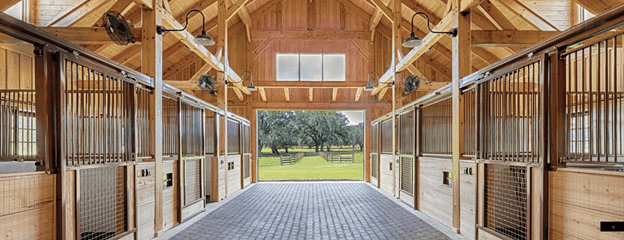
With the popularity of open-air structures for commercial properties, equestrian, restaurants (especially during pandemic), the Timber Frame Barn’s massive beams create breathtaking effects of open spaces and craftsmanship style rarely seen today. The large sliding doors open to cobble stone floors and the authentic smell of white pine creates an environment of harmonious interaction with nature.
Horse Barn

This beautiful, yet functional, barn was designed to house horses and the occasional social gathering. Because the customer was in the process of restoring a farmstead from early in the 20th Century, the technique & style reflects that period & geography. The naturally weathered Cypress board & batten gives the barn the perfect rustic finish.
Barn Homes
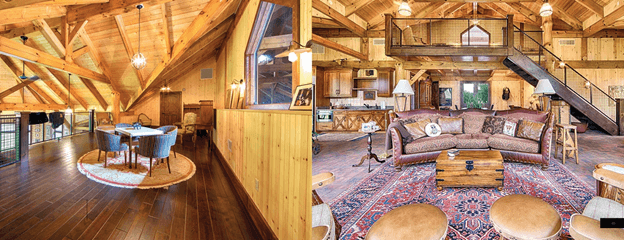
One of the most popular innovations is the “barn home” due to the open, airy floor plans and massive posts and beams. These homes convey the aesthetics of a traditional barn combined with an exciting modern design.
Check out their collection of Wedding Barns, Cottage Barns, Event Barns, Guest Barns and more here: HTTPS://HEARTHSTONEHOMES.COM/BARNS.HTML
All of Hearthstone barns are custom designed and made.
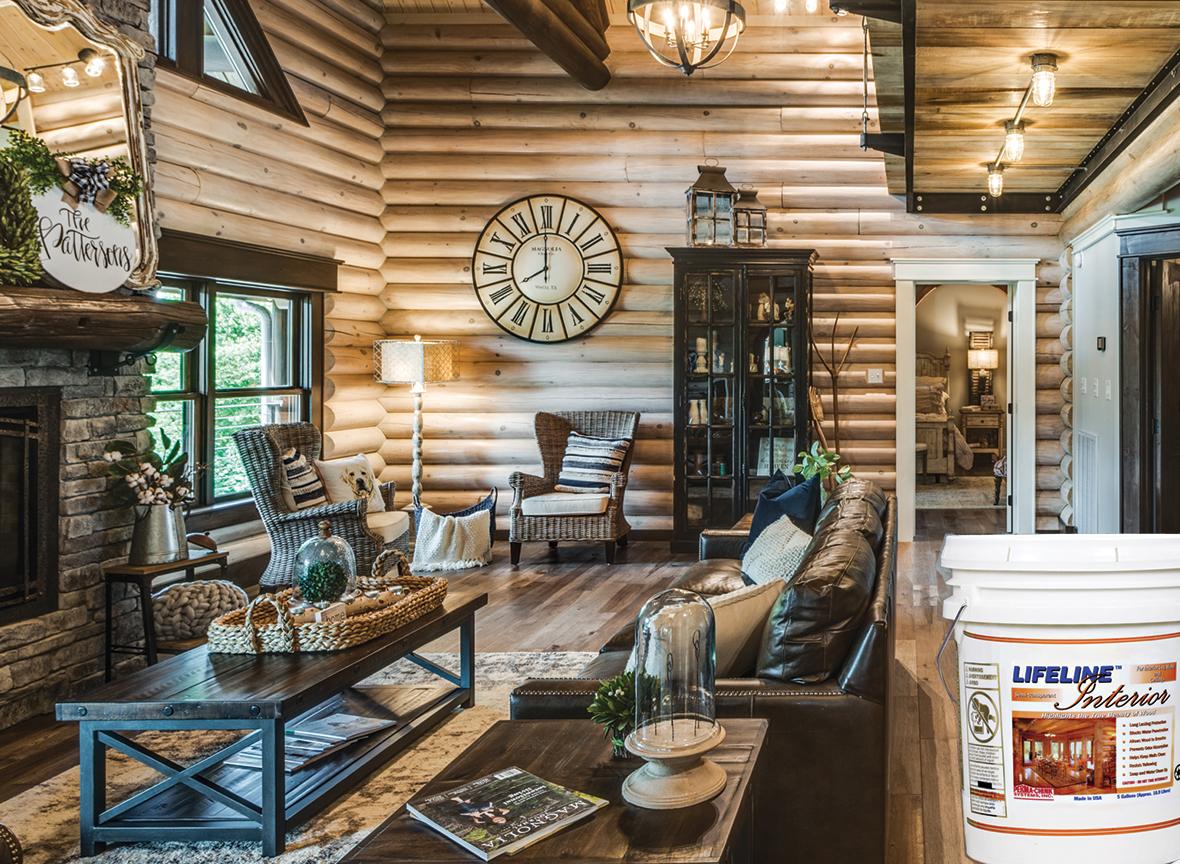
Lifeline Interior™ is a natural looking, semi-transparent wood finish. It forms a breathable protective layer for your walls and ceilings while highlighting the beauty and grain of the wood. Our unique breathable formula allows natural wood moisture to escape from the wood yet provides a tough surface film that can easily be cleaned and dusted, especially when top coated with our Lifeline Acrylic™ Gloss or Satin clear finish.
WHAT EXACTLY DOES ‘BREATHABLE’ MEAN?
To understand, it takes a little bit of chemistry and physics, but the concept is fairly simple. Technically, for those of you who want to impress friends, the scientific term is vapor permeability – the ability of water vapor to permeate through a film.
Polymer films are composed of long chains of molecules that are bound together in a three-dimensional matrix. This matrix is quite dense in films like polyurethane and alkyd coatings, and there is not much space between the polymer chains. This prevents small water vapor molecules from making their way through the film.
On the other hand, Lifeline finishes form a less-dense matrix with room enough for water vapor molecules to penetrate through the film, but not enough space to allow liquid water to make its way into – or through – the film.
You can think of it in terms of a film with a bunch of small holes, or pores, that filter out large objects but allow smaller objects to pass through them. In chemistry these types of films are known as semi-permeable membranes, but in our industry we call them breathable.
Another factor that influences vapor permeability is the thickness of the film. The thicker the film, the more difficult it becomes for water vapor molecules to make their way through. That’s one reason we encourage you to apply our finishes in thin layers. When applied too thickly, even acrylic latex films can have difficulty breathing.
If you use one of our Lifeline Interior color stains, the colorants in the finish help stabilize color of the wood and slow down, or even prevent the fading that you may notice when removing pictures or furniture from against the wall. If using Lifeline Interior Clear, we recommend the addition of UV Boost to the first coat to help prevent this “picture frame” effect due to UV light exposure. Since interior surfaces are not exposed to harsh weather, two coats of Lifeline Interior are not necessary. However, you can apply multiple coats of Lifeline Interior in order to achieve the appearance you desire.
Lifeline Interior is easy to apply. It can be applied by brush, spray or pad. Lifeline Interior dries to the touch in one hour and clean-up is easy, just use soap and water.
One of the best reasons to use Lifeline Interior is that it reduces the absorption of pet, fireplace, and cooking odors into the wood.
Lifeline Interior resists yellowing and is non-flammable and virtually odorless. Like all of our premium finishes, it allows the natural look and beauty of all species of wood to come through. Lifeline Interior can be used on new or existing log homes as long as the surfaces are clean and dry.
You can now order Lifeline Interior in any color you desire in addition to our 13 standard colors plus Clear. For a custom color, or color matching please call 1-800-548-3554. You can request wet samples to try on your logs by calling 1-800-548-3554.
Note: All Lifeline stains and finishes are water-based and do not contain petroleum distillates. They comply with all State and Federal regulations for contained volatile organic compound (VOC). In addition, being concerned with keeping living areas as healthy as possible, our interior finishes are specifically formulated to meet the highest interior air quality standards.
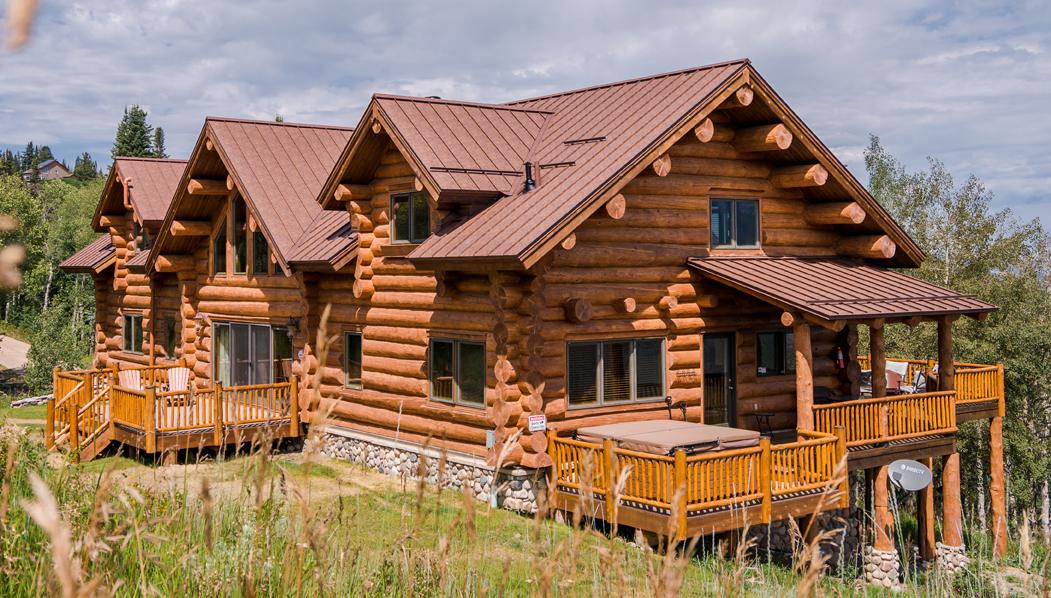
Discover the revolutionary products that have transformed log home maintenance! Visit Perma-Chink Systems today to find everything you need to protect and beautify your log home.
Safeguard Your Log Home:
Top Annual Maintenance Tasks to Prioritize
Owning a log home comes with a unique set of responsibilities, particularly when it comes to maintenance. To keep your log home in top condition, regular annual upkeep is essential. From inspecting the exterior for signs of wear to ensuring your home is well-sealed against the elements, these tasks not only preserve the beauty of your log home but also protect your investment. In this article, we’ll explore the key annual maintenance tips every log homeowner should follow to ensure their home remains a rustic haven for years to come.
Vigilant Plumbing Oversight
Regular plumbing checks are critical in preventing minor issues from escalating into costly disasters. Inspect your pipes periodically for any signs of leaks or corrosion, and make sure water pressure is at an optimal level. Addressing these problems early can save you a significant amount in future repairs. This proactive approach not only ensures the longevity of your plumbing systems but also maintains the overall health of your log home.
Effective Caulking Is a Must
To keep the harsh elements at bay, inspect and reseal your log home’s windows, doors, and other exterior openings. Effective caulking prevents drafts and water intrusion, which are common in log homes, thereby conserving energy and reducing your heating bills. This task not only enhances comfort but also protects against structural damage caused by moisture. Annual reviews and touch-ups can ensure your home remains sealed against the elements year-round.
Invest in a Home Warranty
Investing in a home warranty can shield you from the financial burden of unforeseen appliance and system breakdowns. Consider a service agreement that encompasses your log home’s climate control system to ensure it remains functional throughout the seasons. Select a policy that allows for straightforward claims processing without the need for documented maintenance histories. This type of coverage proves invaluable, particularly in log homes where system malfunctions can significantly impact your living conditions.
Persistent Pest Patrol
Pest control is essential, as insects and rodents can compromise the structural integrity of your log home. Regularly inspect for signs of infestation, including termites and other wood-loving pests. Early detection and professional extermination can prevent extensive damage, preserving your home’s foundation and aesthetic value. Consider scheduling bi-annual inspections with a pest control professional to ensure your home stays pest-free.
Gutter Maintenance is Key
Maintain clean gutters and downspouts to prevent water buildup that can damage your roof and foundation. Cleaning these areas twice a year, particularly after heavy seasons of fall and spring, prevents water damage and protects the landscaping and exterior of your log home from erosion and other water-related issues. Employing professional cleaning services can enhance this task’s effectiveness, especially in dense, wooded areas.
Roof Resilience
Regular roof inspections help identify and rectify problems with shingles that are missing, damaged, or loose. Repairing these issues promptly prevents leaks and extensive water damage, which can be especially problematic in log homes. This maintenance task is crucial for protecting both the interior and exterior of your home from weather-related damage. Engage a roofing specialist annually to assess and address any potential vulnerabilities in your roof’s structure.
Digital Document Management
To help manage your annual tasks, transitioning your home maintenance records to a digital format enhances their accessibility and preservation. Use a PDF converter to maintain the integrity of your documents, ensuring they look the same across various platforms and devices. This method mitigates risks related to compatibility and accessibility issues. By employing online tools that support drag-and-drop functionality for converting files, you streamline the organization and security of your log home’s historical data.
Maintaining a log home is an ongoing commitment that pays dividends in comfort, safety, and value retention. Through diligent upkeep and strategic improvements, you not only preserve the character of your home but also enhance its functionality. Emphasize preventive measures and professional assessments to avoid costly repairs, and remember that a well-maintained log home is a lasting treasure in the landscape of your life.
Perma-Chink Systems newest finish option, Log & Timber Defense™, has been quite the success for customers looking for a hybrid finish for their log homes. Unlike our traditional Lifeline film-forming wood finishes, Log & Timber Defense penetrates your wood. As it absorbs into the wood surface, it forms a strong lattice network within the wood, reinforcing and strengthening the entire system from the inside out. Due to its elastomeric nature and penetration, it greatly reduces the chances of peeling and flaking by leaving the system breathable to water vapor. Many penetrating oil-based finishes can also form a lattice-like network, but unfortunately these finishes contain harmful flammable solvents that make working with them both dangerous for you and our environment. In contrast, our Log & Timber Defense is water-based, making it both easier and safer to work with.
Log and Timber Defense is designed to be applied to bare wood in one or two coats. However, if applied to wood that already has an existing coating, this can interfere with adhesion and could lead to premature failure of the finish. For best results we recommend application of Log & Timber Defense to bare wood that has been cleaned with Wood Renew™.
For all our Lifeline™ wood finishes, we recommend application of a topcoat. However, not so with Log & Timber Defense. The reason for advising against this is because when a maintenance coat is needed in the future, there will be difficulty with penetration into the wood since the topcoat forms a barrier to penetration, leaving a film on surface. Additionally, this could lead to undesirable surface defects, as well as an uneven appearance.
Texture is another property that distinguishes Log and Timber Defense from our Lifeline Stains. Due to its penetrating nature, Log and Timber Defense leaves the surface with a more natural, rustic beauty. In general, it will appear flatter than our Lifeline finishes. However, if slightly more gloss is desired, a second coat of Log & Timber Defense may be applied. The second coat will also increase color intensity and provide an increased level of overall protection for the system.
Finally, Log and Timber Defense is formulated with ingredients that inhibit the growth of mold and mildew. Log and Timber Defense is both a stain and sealant in one package. It helps to keep liquid water out, which reduces biological growth that can attack and destroy your wood. In contrast, traditional natural oils – such as Linseed Oil – can easily promote growth of mold and mildew. Log & Timber Defense is waterborne, low in odor, has easy soap and water cleanup, and is non-flammable. Log & Timber Defense offers unique properties designed to give your home the very best protection possible. For more information about Log & Timber Defense or our other finishes, please visit Log and Timber Defense stain