By Seth Murphy
A custom log cabin is more than a house — it’s a foundational structure for a homesteading lifestyle built around land stewardship, self-reliance, and daily connection to your environment. For aspiring homesteaders, building a log home requires thoughtful planning long before the first log is set.
A Quick Snapshot Before You Break Ground
Building a custom log cabin for homesteading involves:
- Choosing land that supports long-term food production and water access
- Preparing a site that protects the structure from drainage and weather issues
- Securing permits and working with experienced professionals
- Designing interior and exterior spaces around real homestead workflows
- Planning for construction timing, settling, and ongoing maintenance
When done intentionally, your cabin becomes an integrated part of your working landscape — not just a place to sleep.
Land First, Cabin Second
Before thinking about floor plans or lofts, evaluate the land itself.
A productive homestead lot should offer:
- Reliable water access (well potential, spring, or catchment viability)
- Healthy soil for gardens or pasture
- Solar orientation for passive heating and energy systems
- Reasonable access for deliveries and emergency services
- Zoning that allows livestock, outbuildings, or agricultural use
Spend time walking the property in different weather conditions. Observe drainage patterns, wind exposure, and where snow accumulates. These observations will directly influence cabin placement.
Site Preparation Basics
Proper site preparation protects your investment:
- Grade the land to direct water away from the foundation
- Test soil bearing capacity
- Plan driveway access early (log packages are heavy)
- Identify space for septic systems and wells before finalizing cabin placement
A log cabin that sits poorly on the land will demand constant maintenance and repairs.
Understanding the Building Timeline (and Settling Period)
Log homes behave differently than conventional stick-built houses. Fresh logs contain natural moisture and will shrink and settle as they cure.
Here’s a simplified overview:
| Phase | What Happens | What to Expect |
| Design & Permitting | Plans finalized, permits submitted | Several weeks to months depending on location |
| Site Work & Foundation | Clearing, grading, foundation poured | 2–6 weeks |
| Log Shell Construction | Logs stacked, roof system installed | Several weeks |
| Interior Build-Out | Utilities, insulation, finishes | 2–4+ months |
| Settling Period | Logs shrink and compress | Ongoing for 1–3 years |
An experienced log cabin contractor will account for settling by installing slip joints, adjustable posts, and proper window and door framing systems. This is not an area to improvise.
Working With the Right Log Cabin Contractor
A seasoned log cabin contractor understands:
- Wood species performance
- Moisture management strategies
- Structural settling allowances
- Energy efficiency in log construction
When interviewing contractors, ask to see previous builds. Talk to past clients. Clarify who handles subcontractors and inspections. A log cabin is a specialty build — choose someone who treats it that way.
Designing for Daily Homesteading Life
Your cabin should support how you actually live and work.
Functional Spaces to Prioritize
- A mudroom for boots, tools, and wet clothing
- A pantry sized for bulk storage and preserved food
- A utility area for water filtration, solar equipment, or battery systems
- Covered outdoor workspace for firewood processing or equipment repair
Think beyond aesthetics. For example, positioning the kitchen near garden access shortens harvest-to-prep time. Placing windows to monitor livestock saves steps during winter storms.
Design integration matters. Map your property layout — gardens, greenhouse, barn, workshop — and position the cabin as the central operational hub.
Managing the Paperwork Without Losing Your Mind
Permits, contracts, and design documents accumulate quickly during a custom build. You’ll likely juggle building permits, septic approvals, contractor agreements, engineering plans, and insurance paperwork.
Keep all documents organized and easily accessible throughout the process. Many homesteaders create a digital master file that includes every permit revision and contractor change order. Tools that let you merge PDF files online can simplify this by combining scattered documents into one consolidated file. When inspectors call or contractors need clarification, having everything in one place reduces delays and stress.
A Resource for Learning Log Home Craft
If you want reliable, homeowner-focused information about building and maintaining a log cabin, the International Log Builders’ Association (ILBA) is an excellent resource. ILBA supports education and standards in handcrafted log construction, offering articles, training information, and technical insights into proper log building practices.
Reviewing guidance from organizations dedicated specifically to log construction can help you better understand craftsmanship standards, maintenance expectations, and what quality work should look like — whether you’re building yourself or hiring a contractor.
Ongoing Maintenance: What to Prioritize From Day One
A custom log cabin requires consistent care. Maintenance isn’t optional — it’s part of the lifestyle.
From the first year onward, prioritize:
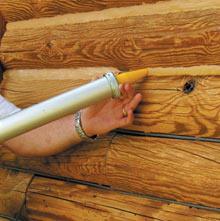
- Inspecting and maintaining sealants between logs
- Monitoring moisture intrusion around windows, doors, and rooflines
- Keeping gutters clear and directing water away from the foundation
- Protecting wood surfaces from UV damage and pests
Regular inspections help catch small issues before they become structural problems. Specialty retailers like Perma-Chink Systems provide products and guidance specifically designed for log homes, including sealants, finishes, and repair materials. Their technical resources are especially helpful for new owners learning what to look for.
Consistent maintenance preserves not only the beauty of the logs but also the energy efficiency and structural integrity of your home.
Frequently Asked Questions
How much land do I need for a homesteading log cabin?
It depends on your goals. A few acres can support gardens and small livestock, while larger operations may require 10+ acres for pasture and crop rotation.
Do log cabins require more maintenance than standard homes?
Yes. Logs must be monitored for moisture, UV exposure, and settling-related gaps. However, routine inspection makes maintenance manageable.
How long does it take to build a custom log cabin?
From design to move-in, expect anywhere from 6 months to over a year depending on permitting timelines and project complexity.
Can I build a log cabin myself?
Some homesteaders do, especially with smaller kits. However, structural expertise and knowledge of settling systems are essential for long-term performance.
Step-by-Step Planning Checklist
- Define your homesteading goals (livestock, crops, off-grid systems).
- Evaluate land for water, soil, zoning, and access.
- Develop a property layout map before finalizing cabin placement.
- Secure permits and confirm code requirements.
- Hire an experienced log cabin contractor.
- Plan for settling adjustments in design.
- Create a long-term maintenance schedule before move-in.
A custom log cabin built for homesteading is both shelter and system. Every decision — from land selection to maintenance habits — affects how well your home supports your self-sufficient goals. Plan carefully, build with experienced help, and treat ongoing maintenance as part of daily stewardship.
Seth Murphy is a guest contributor and can be reached at papadyi.com