
Blog & News
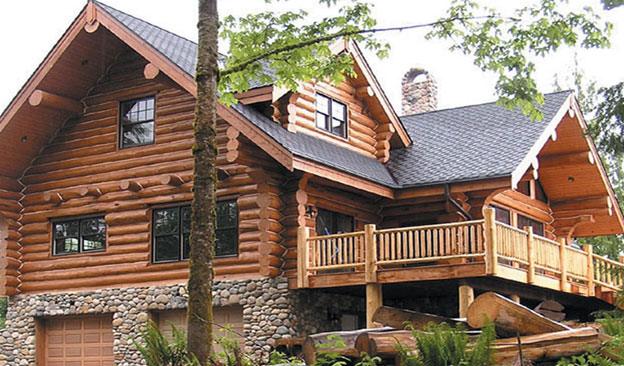
When talking about wood stains one question that is frequently put to our customer service representatives is “Is a topcoat really necessary?” Actually a more accurate question would be, “Is a topcoat worth the extra cost and effort to apply?”
Rather than giving a simple answer we will discuss the benefits of topcoats and let you decide after you read this.
When we examine a wood stain there are certain parameters that govern its formulation:
- It must hold the pigments in suspension and form a thick enough film for proper color generation and ultraviolet.
- It must have UV protection.
- It must be able to withstand all types of weather conditions from arctic freezing temperatures to broiling desert heat.
- It must breathe to allow water vapor to escape from the wood yet prevent liquid water from getting in.
- It must remain elastic so that it can expand and contract along with the log movement.
- It must be able to retain its color for several years.
- And most importantly, it must adhere tightly to both bare wood and/or a previously applied coat of stain or, in some cases, a topcoat.
That’s a lot to ask of a single coating. In order to satisfy all of these tasks certain trade-offs inevitably must be made. Each affects the ultimate performance of the stain.
Topcoats
Clear topcoats, on the other hand, must meet some of the same parameters such as being breathable, maintaining flexibility and withstanding extreme weather conditions. But they don’t have to hold pigments, retain their color or adhere to bare wood.
This enables us to impart a different set of characteristics to topcoats such as film hardness, surface smoothness and a different UV protection system that is not possible in the stain itself.
We used to say that topcoats extend the life of the stain. That is still true, and our LIFELINE Advance topcoats (Gloss or Satin finish) extend stain life longer than we ever thought possible. And they do much, much more.
First of all they significantly improve the look of the finish. In the past we thought that topcoats should essentially disappear from view. However in the process of formulating our LIFELINE Advance topcoat we discovered that we could actually enhance the color, clarity and depth of the underlying stain finish.
The second thing we found with our new LIFELINE Advance was its ability to keep the surface clean.
Since we can design the topcoat to form a slightly harder film than the color coat, it is much more resistant to dirt. This film retains the flexibility and elasticity required of a high-performance log home finish. In addition, the hard smooth surface makes it quite easy to clean off any dust or pollen that may accumulate on the surface of the logs. A simple wash down with Log Wash and a garden hose will remove any grime that may hide the beauty of your home.
Another feature a smooth topcoat provides is greater resistance to mold, mildew and algae. In addition to water, these organisms need something to grip onto. If the spores land on a hard smooth surface that rapidly sheds water, they won’t have an opportunity to germinate and spread. So the surface of the logs stays free of unsightly mold spots and patches of algae.
Of course the best feature of a topcoat is the protection it provides to the underlying stain color coat.
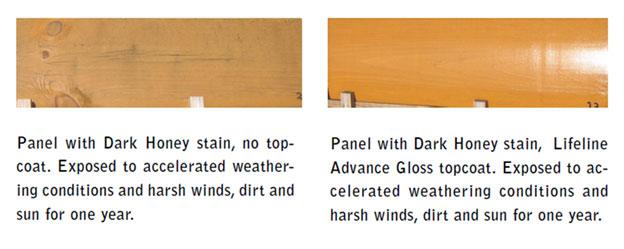
Years ago cars left the manufacturer with a coat of paint. More expensive cars may have had several coats of paint but no matter how many coats were applied after a few years the paint job still turned dull and started to fleck off. Then car coating experts discovered the benefits of clear topcoats.
Today’s car finishes remain shiny and last longer than ever thought possible all due to the application of a clear topcoat over a color base coat.
We used this same concept and technology for designing our new clear log home topcoat. LIFELINE Advance helps prevent the color base stain from degrading by protecting the entire finish system from dirt, wind, water and sunlight. So, is a topcoat worth the cost and effort? You bet it is. In fact, we’re so sure of the benefits of our Advance Topcoat we extend the warranty of Ultra-7 and Ultra-2 exterior stains to five years when a fresh topcoat is applied in year three.
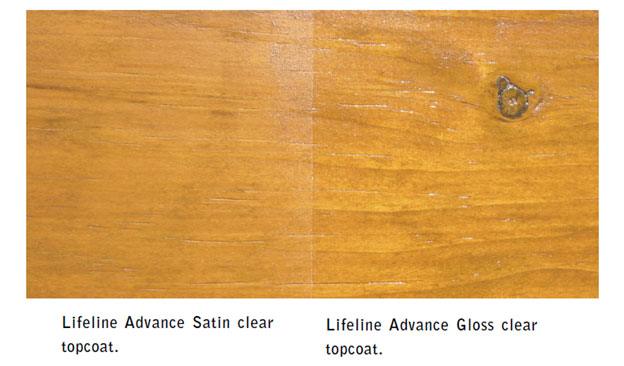
LIFELINE Advance is available in Satin and Gloss finish.
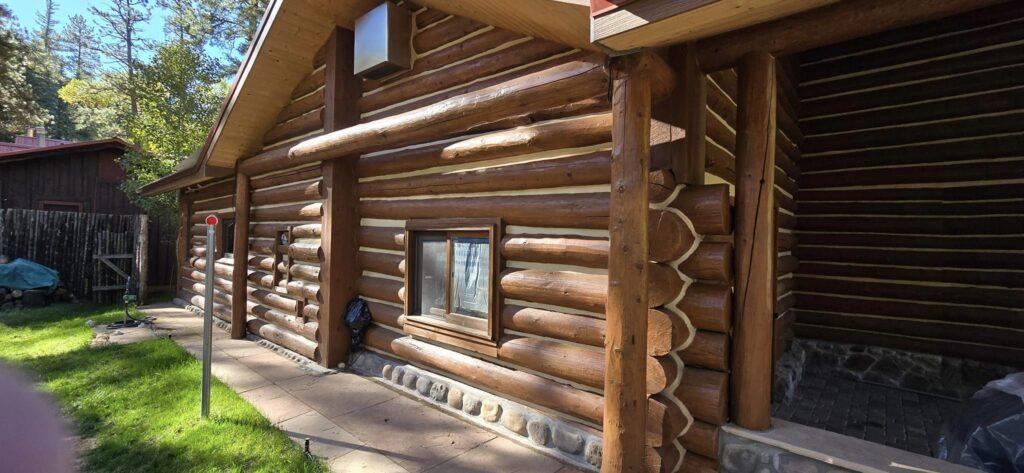
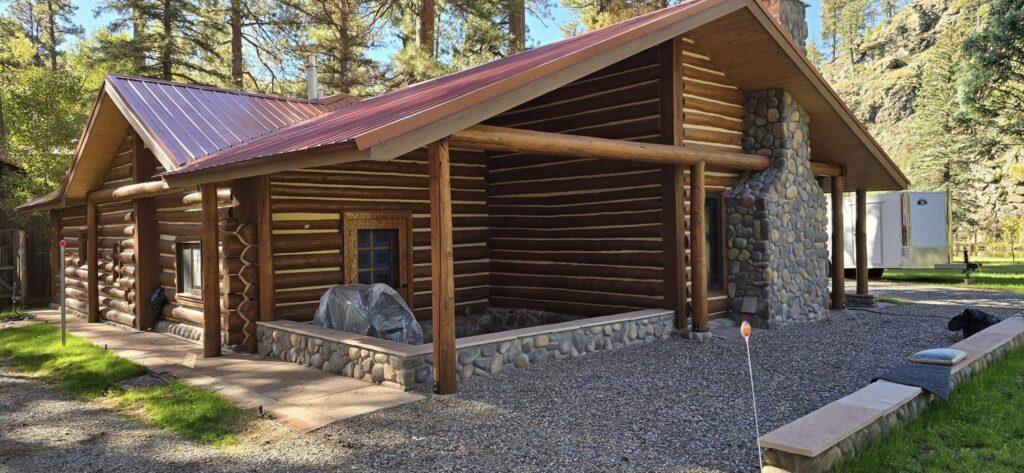
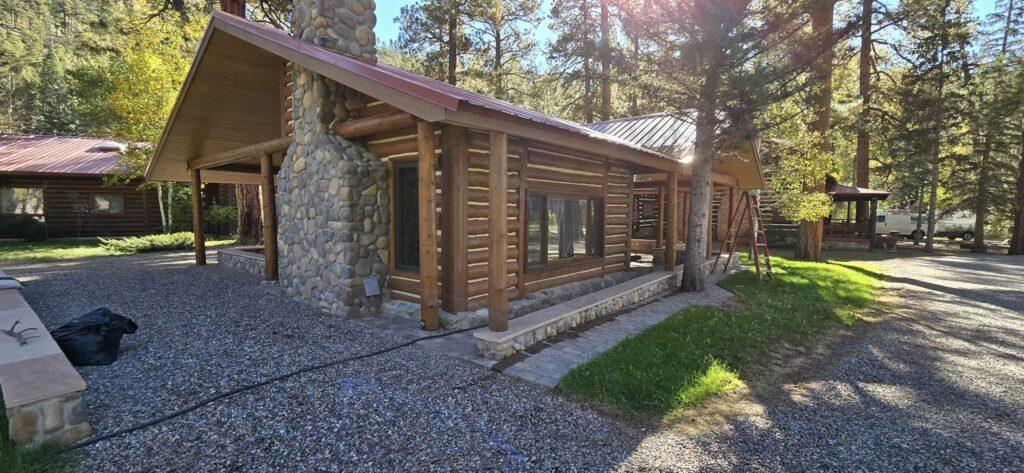
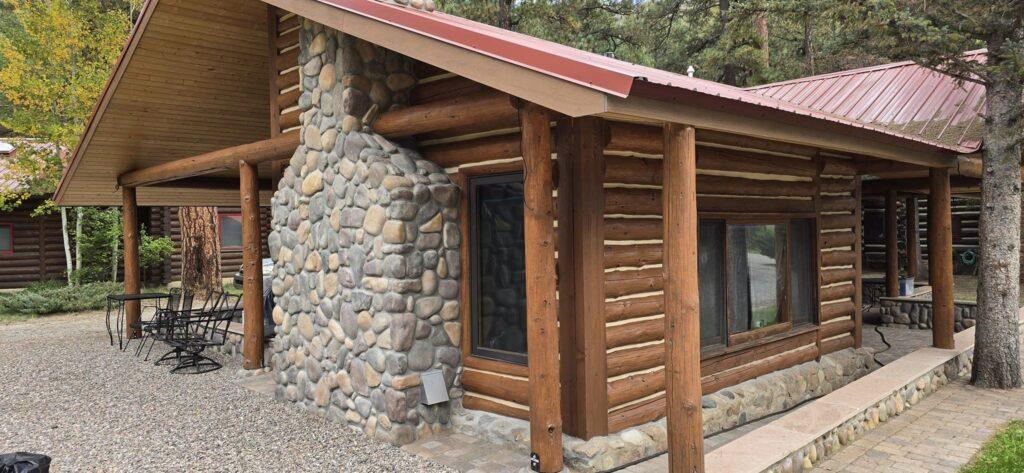
The Visible Difference of a Log Home Topcoat
Here is an example of a fresh application of LIFELINE Advance on a log home, protecting the finish and wood underneath from damaging environmental factors. One of our Preferred Applicators, Log Masters Restoration, performed this exceptional work.
Order Topcoat Today
Order your LIFELINE Advance topcoat today, in either Gloss or Satin finish, and make your log or timber home look like new. Call us at 1-800-548-3554 or order online at Store.PermaChink.com.
Help Us Minimize Our Environmental Impact by Storing Our Products Correctly.
At Perma-Chink Systems (PCS), we are committed to creating a sustainable future through our innovative, environmentally-conscious products. Our goal is to safeguard energy-efficient log and timber homes by creating finishing products that embody a strong commitment to ecological and social responsibility.
Our holistic approach extends beyond just sustainable materials. We integrate healthy living principles into every stage of our product development, ensuring that human well-being is a key consideration.
Our dedicated chemists invest significant time and effort into research to ensure our products excel in durability and shelf life. We begin by selecting raw materials that meet both our protective performance standards and our rigorous environmental criteria. These materials include resins, surfactants, solvents, biocides, pigments, fillers, colorants, and UV inhibitors.
We develop environmentally friendly solutions that minimize the need for frequent reapplications. By extending the shelf life of our products, we ensure they remain effective for longer periods, which helps to reduce waste and lessen the environmental impact associated with disposal.
To ensure you get the most out of your Perma-Chink Systems products and extend their shelf life, please follow these guidelines:
- Keep Containers Sealed: Ensure containers remain sealed and unopened to prevent exposure to oxygen and oxidation.
- Avoid Sunlight: Store products away from windows and direct sunlight to protect them from UV damage.
- Keep Away from Heat Sources: Avoid placing products near heaters or forced air vents to prevent temperature fluctuations.
- Distance from Exterior Walls: If possible, store products away from exterior walls to maintain a stable environment.
- Maintain Optimal Temperature: Keep products in a controlled temperature range of 50°F to 70°F (10°C to 21°C).
For products in opened containers, transfer the remaining product into smaller, tightly-sealed plastic containers to minimize air exposure and maintain freshness. Your careful handling ensures that our products remain effective and sustainable, minimizing waste and conserving resources.
Perma-Chink Systems’ environmental initiatives are making a positive impact globally, reflecting our commitment to a healthier, more sustainable world.
♻ Proud to Be Part of the Solution – Not the Pollution!
We’ve been quietly green for decades and now we’re sharing the story!
Perma-Chink Systems is proud to be a founding member of PaintCare, a nationwide network of paint manufacturers dedicated to keeping used paint and stains out of our landfills and waterways.
Through convenient drop-off locations and paint recycling events across 14 states (and growing), PaintCare helps give leftover paints and stains a responsible second life—protecting our environment for generations to come.
Our commitment isn’t just “nice to have” – it’s essential. Being part of PaintCare shows our industry peers, customers, and communities that we walk the talk when it comes to sustainability and eco-friendly practices.
Every container counts: a small PaintCare fee (from $0.30 to $2.45, depending on size) funds these recycling efforts and helps ensure paints never end up in the wrong place.
While most states allow manufacturers to add a “PaintCare fee” to the price of their products, we never have. PCS has always paid these fees out of our own pocket – quietly, without fanfare, and without passing the cost on to our customers.
In fact, back in 2009 we helped PaintCare build the foundation for how manufacturers participate, report, and fund the program. Since then, we’ve kept our commitment low-key, but the truth is… it’s a big part of our earth-friendly values.
We’re proud to do our part – not just for our customers, but for the environment we all share.
Because when it comes to the planet, there’s no such thing as leftover responsibility. 🌎💚
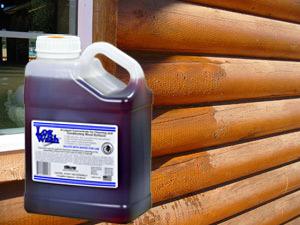
Log Wash is The Easy-to-Use Cleaner for Interior and Exterior Surfaces
The initial reason we developed Log Wash™ was for cleaning finished log home exterior surfaces. We found that all of the products typically recommended for general maintenance cleaning like Spic & Span, Mr. Clean or even mild dishwashing soaps softened finished surfaces during the cleaning process. This resulted in potential finish damage, especially if a pressure washer or a brush was used. It turned out that the one thing these cleaners all had in common was their high pH. When we tried the Log Wash formulation we found that it hardened the surface of our finish system and no damage occurred to the finish – even with vigorous scrubbing. It was only later that we discovered the benefits of using Log Wash on bare wood.
Why is Log Wash Better?
First and foremost is its pH. It is one of only a handful of cleaning products on the market that has a slightly acidic pH similar to that of wood. This means that when applied to wood it does not disrupt the wood’s chemistry, thus avoiding many of the discolorations attributed to high-alkaline solutions like bleach or strong acids like oxalic acid. Another feature of Log Wash is that it’s easy to tell when it has been sufficiently rinsed off. While rinsing Log Wash, it will foam as long as any residue remains on the wood. When the foaming stops, it’s a good indication that the wall has been adequately rinsed.
One of the biggest surprises we encountered with the use of Log Wash on bare wood has been how well it removes some types of discolorations due to tannins or chemical imbalances. There have been several occasions when discolorations we thought would be difficult, if not impossible, to remove ended up being no problem at all with the exterior application of a solution of two cups Log Wash per one gallon of water. Cleaning a finished log or timber exterior requires one cup Log Wash per one gallon of water. Interior cleaning application is recommended at one-half cup to one cup Log Wash per one gallon water.
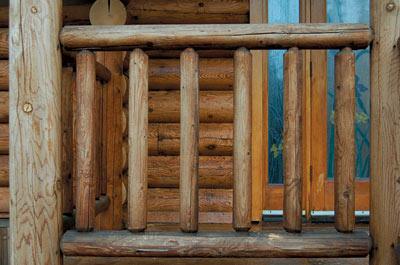
Works on Exterior & Interior
As mentioned earlier, Log Wash is more than capable for cleaning interior wood surfaces as well. While the interior usually doesn’t get as dirty as the exterior, over time it can collect pollen, dust, grease and more. Utilizing Log Wash on interior wood will make your home look fresh and clean.
Stock up on Log Wash now – you will be amazed with the results! The use of Log Wash for maintenance cleaning has been proven to extend the life of the finish as well as keeping your home looking beautiful.
If your log or timber home is built with wood like Western Red Cedar, Redwood, Walnut or Mahogany, use Cedar Wash™ instead of Log Wash for better surface preparation and finish longevity for these specific wood substrates. Read more about Cedar Wash™ here.
New Bare Wood or Restoration?
Since we started promoting the use of Log Wash for cleaning bare wood the number of compliments we receive from homeowners and applicators about its performance has increased. Have a log home that doesn’t have a finish, either new construction or recently stripped of finish? Read how Log Wash will best prepare your bare log surfaces here.
Cleaning Interior Bare Wood Surfaces
Interior walls and ceilings must be cleaned prior to finishing. If your home is completed, you are somewhat limited in the available cleaning methods since the use of a pressure washer is typically not an option. If you want your interior walls smooth, sanding may be your best and only choice. As opposed to exterior surfaces, you can sand interior wood surfaces using 120 grit sandpaper or Osborn brush.
Although your interior wood surfaces may appear to be clean, they are never clean enough to apply a finish to them without first washing them with an appropriate cleaning solution like Log Wash.
Step 1: Mix one half or one cup of Log Wash Concentrate with one gallon of warm water, if available, in a pail.
Step 2: Apply the Log Wash solution to the wall with a rag or sponge starting at the bottom and work up. Allow the solution to remain on the wall for at least 10 minutes.
Step 3: Using a clean rag or sponge and a pail of clean water, wipe the Log Wash solution off of the surface. Frequently rinse the sponge or rag in the pail of water and occasionally exchange the water in the pail with clean water.
Step 4: Allow the surface to completely dry before applying the first coat of finish.
Lifeline™ Ultra-7 is the most durable exterior wood stain that Perma-Chink Systems has ever developed. After multiple exposure tests in harsh-weather areas across the country (think snow country, the sunny southeast and extreme mountain locations), Lifeline Ultra-7 stands out as THE top-of-the-line, long-lasting wood finish. The secret behind its durability is Lifeline Ultra-7’s state-of-the-art resin that creates a tough, yet flexible and breathable finish on your home’s logs. Perhaps more importantly than Ultra-7’s strength is the resin, which ensures that the finish is continuous, providing protection from holes and gaps that might otherwise develop with lower-quality finishes. In addition, Ultra-7 has unsurpassed adhesion to wood.
By choosing a high-performance log home finish like Lifeline Ultra-7, you are ensuring that the finish will look as beautiful years after application as it did the day it was applied thanks to a balanced formula of transparent iron oxides, fungi and algae inhibitors (biocides), and an advanced polymer resin.
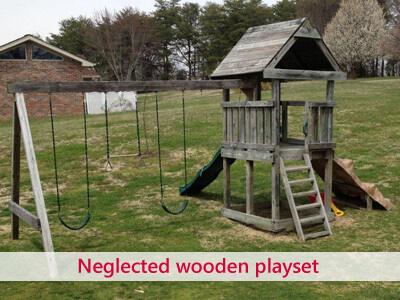
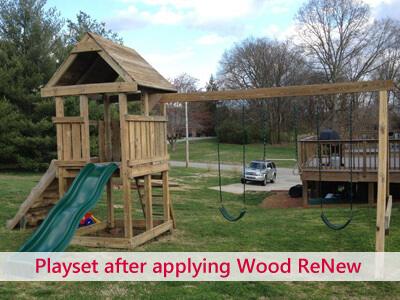
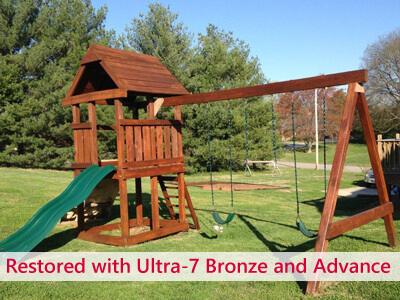
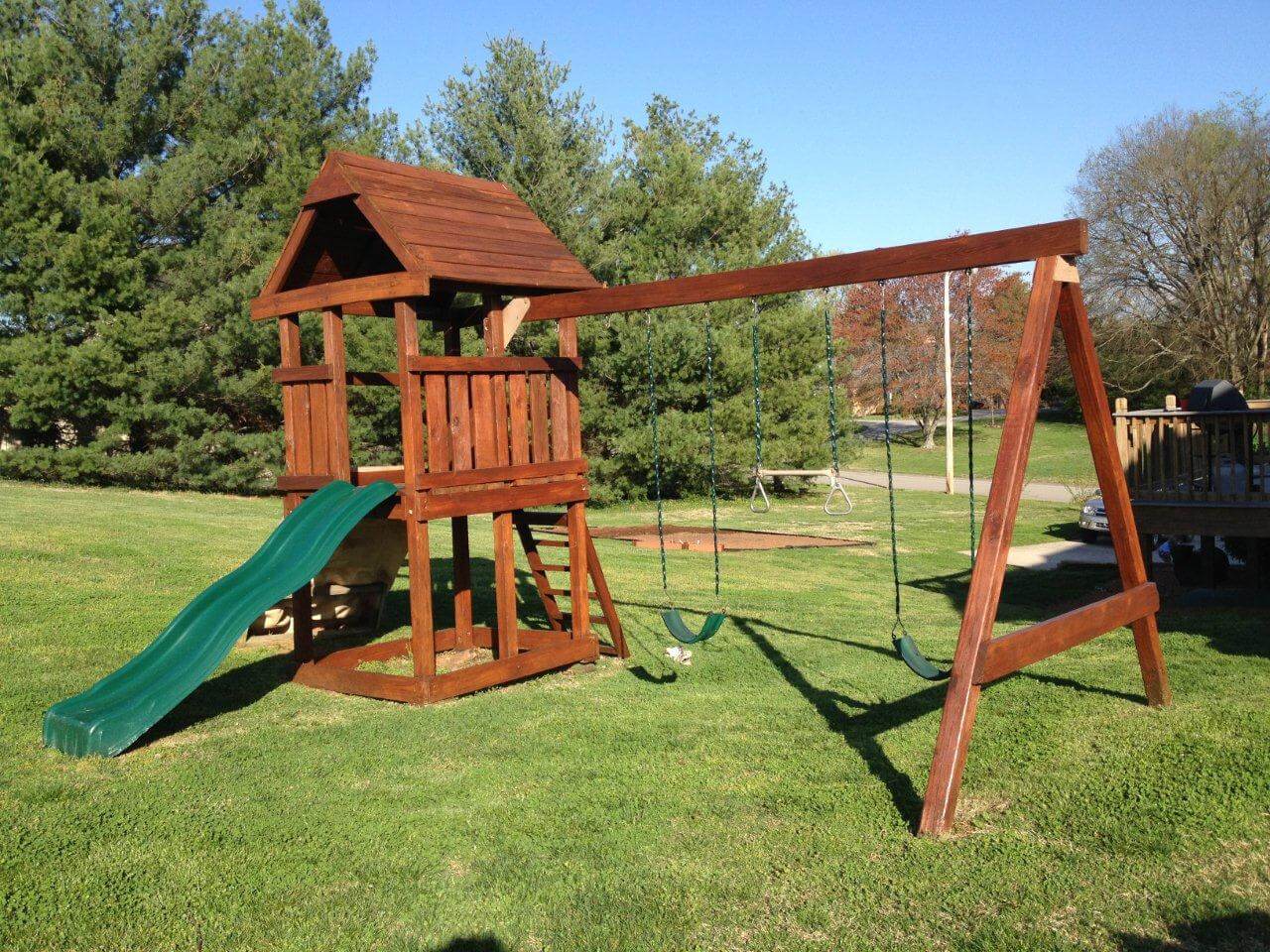
I personally have had good experience with Ultra-7 when used with the Advance topcoat. I restored my children’s wooden playset five years ago. I used Wood Renew to take it back to bare wood, then rinsed until pH neutral and applied Ultra-7 Bronze, followed by Advance topcoat – and it still looks fantastic today. I went back about a year ago and re-applied the Advance topcoat. I expect many more years out of this system. It works great.
I will also add this caution: if the topcoat is not used with Ultra-7, you can expect problems quickly. The topcoat helps keep the water away from the binder in Ultra-7. It has a high acid value which makes it more water-loving and as such, will tend to hold on to water for longer periods of time. Water is one of the primary ingredients needed for biological growth to occur, and even with the biocides present, over time micro-organisms will take up residence in the film. This occurs as water moves in and out of the film more readily as the topcoat degrades, taking with it biocides, and making the film even more vulnerable to attack. So to help protect the film, and ultimately the wood, both the topcoat and the biocides in the coating work together to make a winning combination. The clear topcoat helps lock the biocides in place so that they can do their job.
This playset was erected several years before we bought our home. I am going to guess that it weathered for 5-10 years with no coating at all. The original wood finish of one coat of Ultra-7 Bronze and Lifeline Advance gloss was applied in 2013, with a maintenance coat of Advance roughly 5 years later. I am very happy with the performance of this system.

EDDIE McDANIELS – DIRECTOR OF OPERATIONS, PERMA-CHINK SYSTEMS, INC.
I’ve had the privilege of being with Perma-Chink Systems for 32 years. My journey began when I was unemployed and a friend working at Perma-Chink informed me of an opening. I applied, was hired, and have been dedicated to the company ever since.
Initially, I spent 1.5 years in the shipping department and then 4 years in production. These roles provided me with valuable, independent insights into both the manufacturing of our products and the accuracy required in fulfilling orders, as well as managing finished goods inventory and warehouse operations.
My career took a new direction when our Sr. VP of Operations, Tony Huddleston, approached me with an opportunity to travel and train in log home maintenance and restoration. I eagerly accepted this challenge, which led me to travel extensively across the U.S., gaining experience in nearly every state and accumulating significant road miles.
Under Tony’s mentorship, I deepened my understanding of our products, their applications, and how we could enhance our offerings. This role evolved beyond training to include hosting mobile seminars, attending log home shows, and conducting on-site evaluations of unique customer situations. Over the years, I have personally inspected and assisted with over 10,000 log homes, further expanding my knowledge of log care, manufacturing processes, and industry trends.
My interactions with customers helped shape new product ideas, which I collaborated on with upper management and our chemist, leading to the development of maintenance-friendly products that work seamlessly together.
For 22 years I also served as the Store Manager for our Sevierville, TN branch. This role allowed me to continue engaging with customers, provide training, visit job sites, and build strong relationships within the local community.
This year, I was honored to accept the position of Director of Operations at our Knoxville, TN manufacturing facility. I am excited to leverage my extensive experience to drive continued improvements in our products and customer experience, aligning with Perma-Chink Systems’ commitment to excellence.
Finishes & Stains
Calling our pigmented finishes “stains” can be a bit confusing, but we understand how finishes can be called a stain. The term “stain” implies that the wood fibers are stained with the colorants contained in the products. However, in the case of film-forming water-based finishes, like our LIFELINE™ family of finishes, the wood fibers are not impregnated with the colorants. Our LIFELINE finishes behave more like latex paints than penetrating oil-based stains. Yet we can refer to our finishes as stains or varnish since that is what the market is used to. Our newest finish, Log & Timber Defense, is a semi-transparent finish that penetrates like oils, but without the negative effects of oil-based stains.
Pigmented Finishes
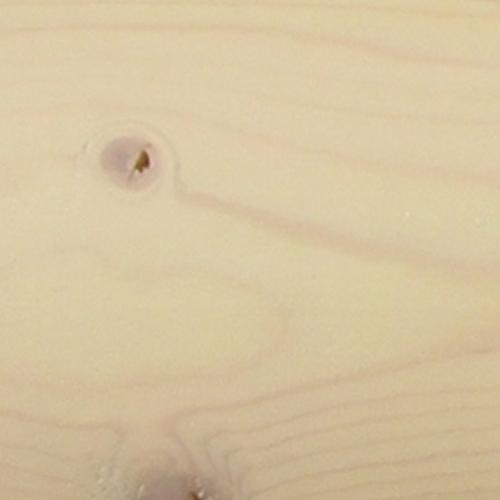
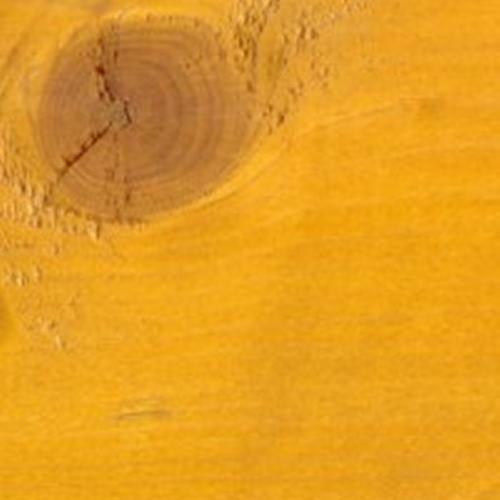
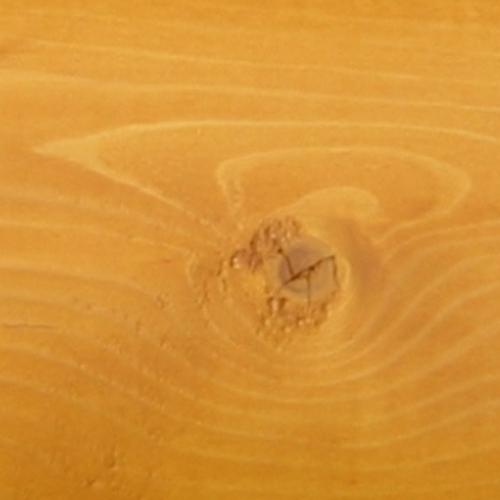
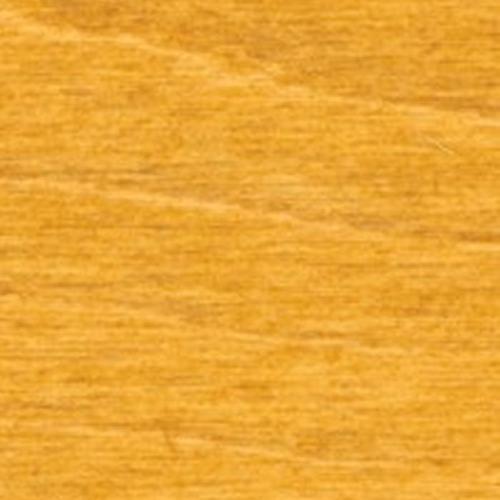
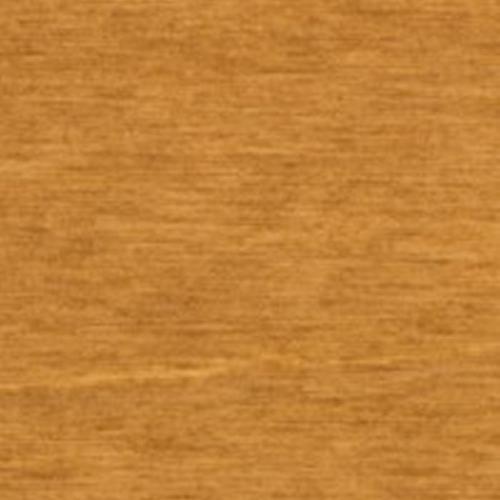
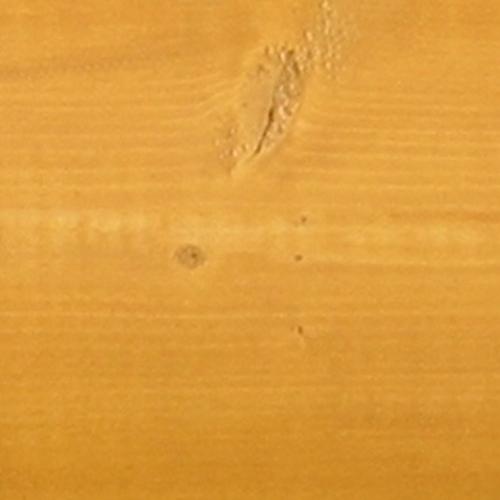
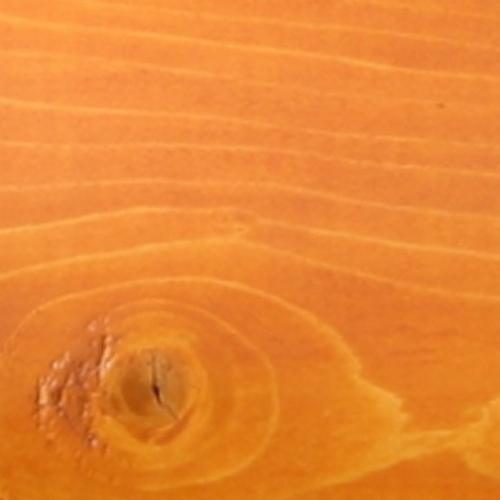
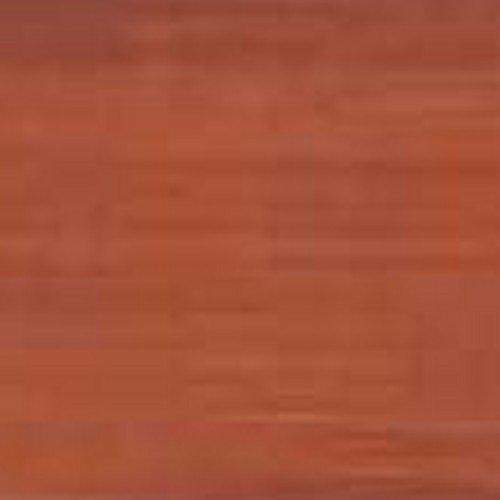
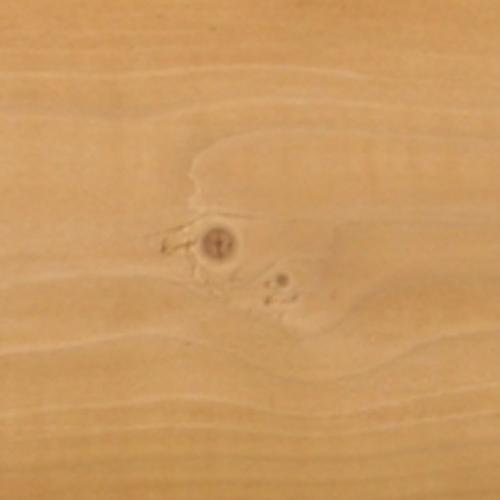
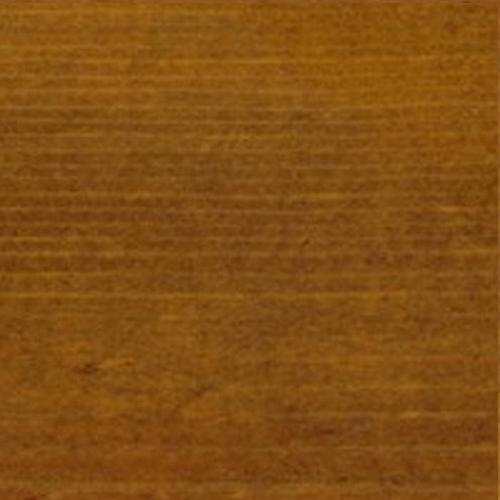
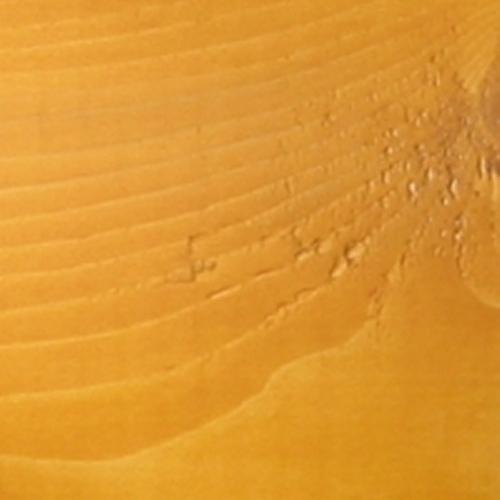
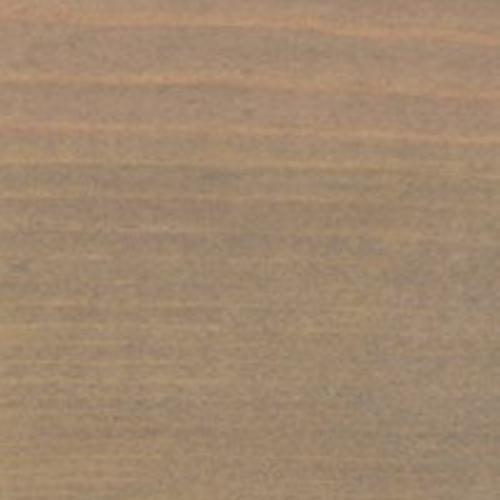
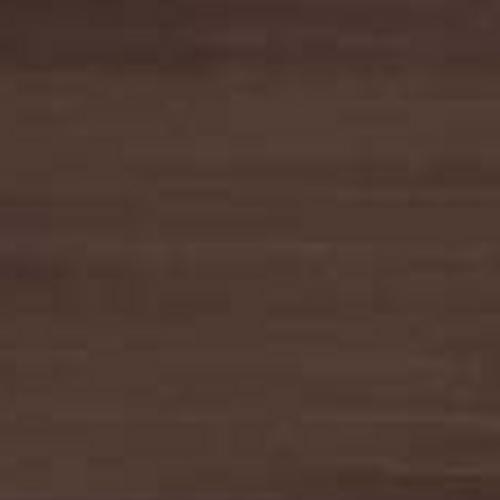
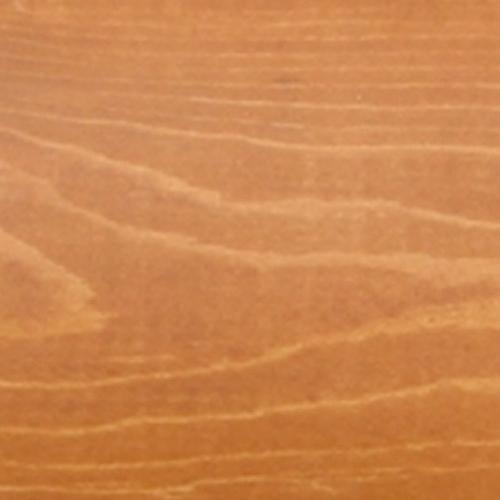
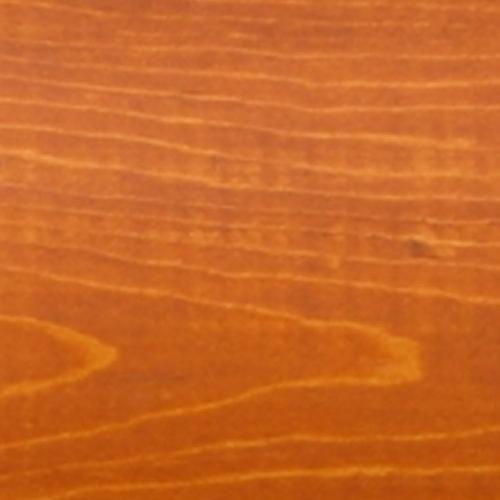
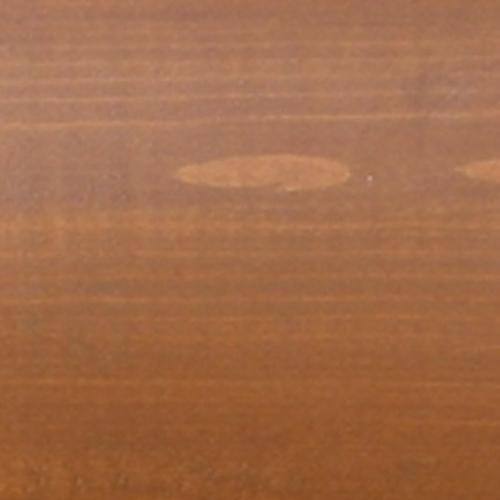
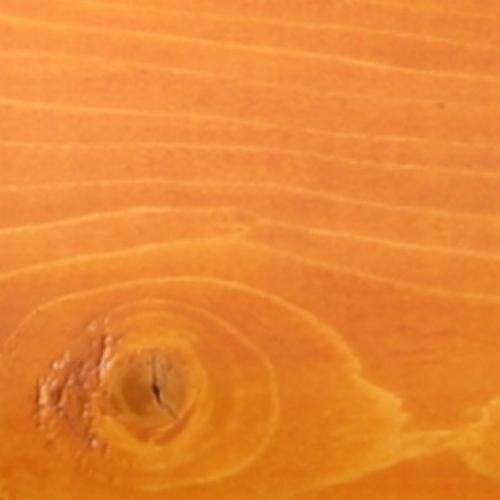
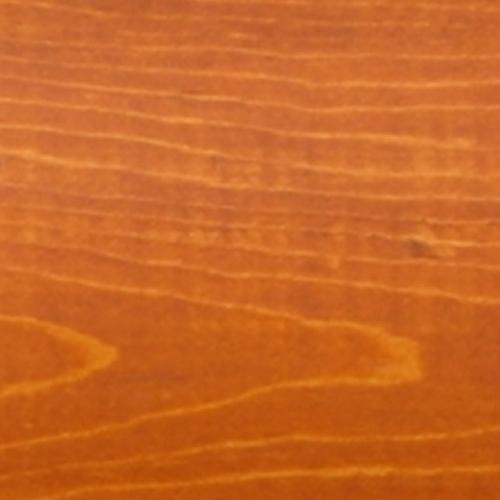
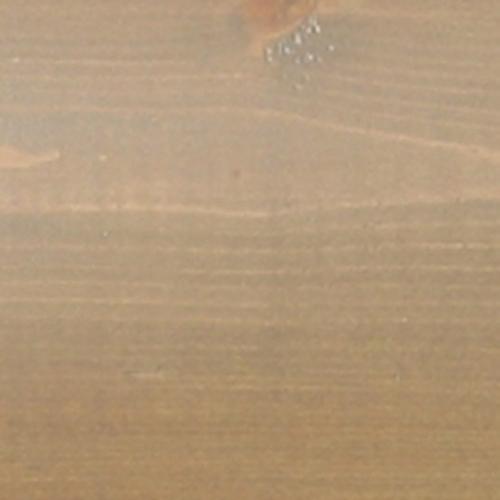
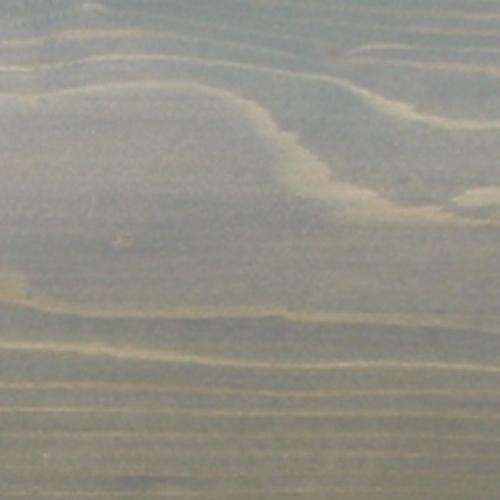
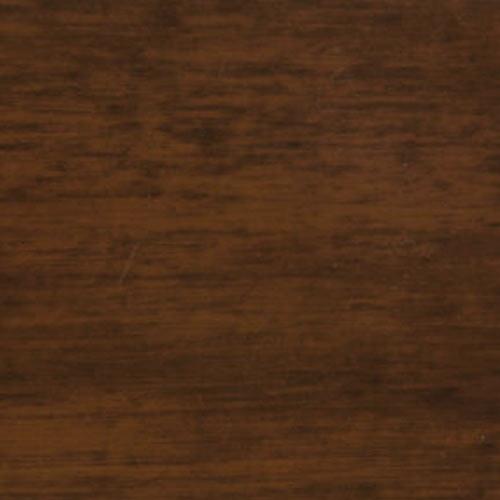
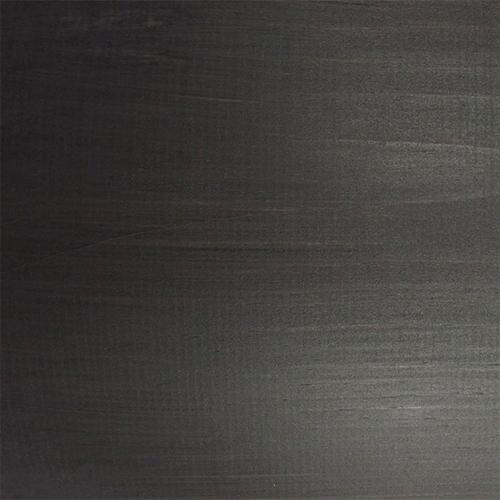
Speaking of pigmented finishes, that’s just a fancy way of saying we have finishes with color. And do we add color. We offer the most color options for log and timber homes of anyone on the market. Many homeowners choose finishes that highlight the natural beauty of wood, selecting colors like Dark Honey, Dark Natural, or Cedar. Others enjoy a deep, rich color base like Chestnut, Walnut, or Classic Brown.
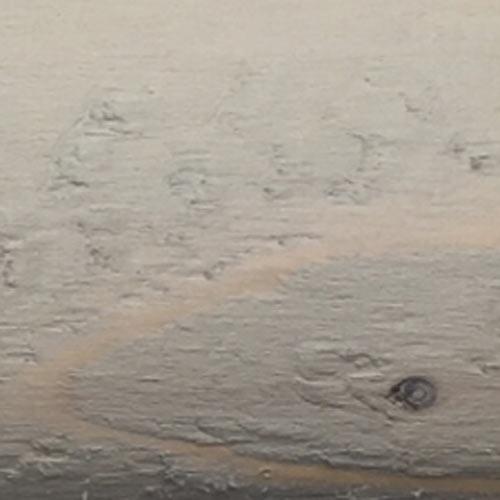
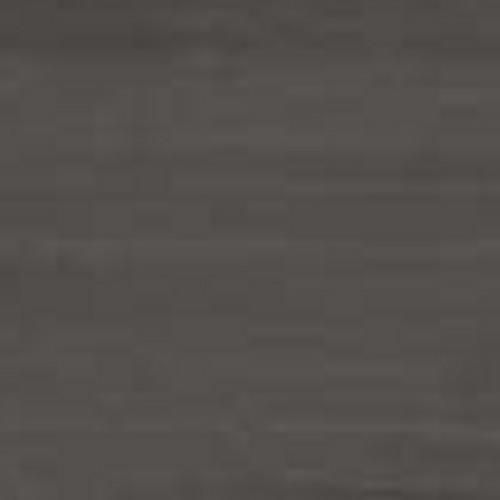
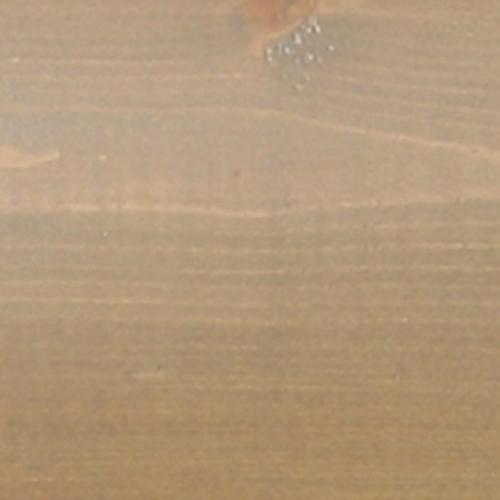
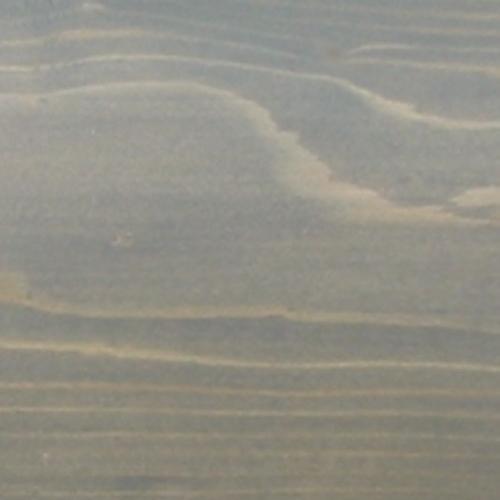
A few years ago we saw grays as a key color for paint, home textiles, and interiors. And second only to blue as the most popular color for menswear. We expanded our color options to include more gray tints, offering trend-setting gray tints. Depending on your personal choice, our family of grays extend from a lovely aged-wood Smoke color to a New England-style Barn Gray. And with our ability to make custom colors, you can find a gray somewhere in between – or any other color for that matter.
Whatever color direction you choose, know our products provide exceptional coverage, lasting color, and superior protection when used as part of the Perma-Chink System. If you’re undecided on what color you should finish your log or timber home in, don’t worry! We offer free samples of all our finishes so you can be confident in your choice of color.


















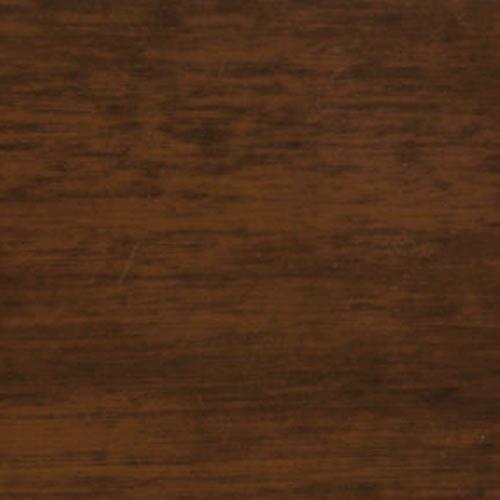

Topcoats
One of the most frequently asked questions we receive about our LIFELINE Advance™ topcoat is why don’t we include the topcoat in with the stain. The answer to this simple question is that if we did, it would no longer be a topcoat. Topcoats play a specific role in protecting any finish system.
Our Advance topcoat plays essentially the same role as an automotive clearcoat, protecting the color coats from the weather, sunlight, and dirt.
Unlike other brands, Advance is specifically designed as a high performing topcoat with a unique set of characteristics that has yet to be duplicated by anyone else in our industry. One of the reasons Lifeline Advance outperforms all other topcoats is that it is designed for a very specific purpose and should never be applied to bare wood.
Pairing Finishes and Topcoat – The Winning Combination
When you pair a LIFELINE finish with Advance, you get the maximum protection for your log home. This combination provides long-lasting color for your home, with the topcoat giving the home protection from the elements. Your home will look great for years to come.
Free Samples! And Excellent Customer Service
If you’re ready to finish your log or timber home, or have a renovation project that needs a finish, we are here to help. Sample orders and product orders can be fulfilled online at store.permachink.com or you can call any of our nationwide stores at 800-548-3554.
We are excited to share a very unique project, something that could very be a first for this company – a log home interior of a van, sealed with Perma-Chink. Yes, a van as in the automobile variety.
This project is a fantastic example on the flexibility of our products, and the creative imagination of our customers. We’ll turn over the background of the project to the customer, Barbara P., in their own words.
“In 2002 and 2003, we discussed the possibility of buying a log cabin that my Dad lived in with his Grandfather back in the 1920’s and early 1930’s. We found out that the price was out of our reach. Shawn, my husband, then thought about customizing a new van to look like a log cabin. I have been a member of Moon Lite Vans, Inc. for 46 years and vanning for over 47 years and never saw a van with this kind of interior.
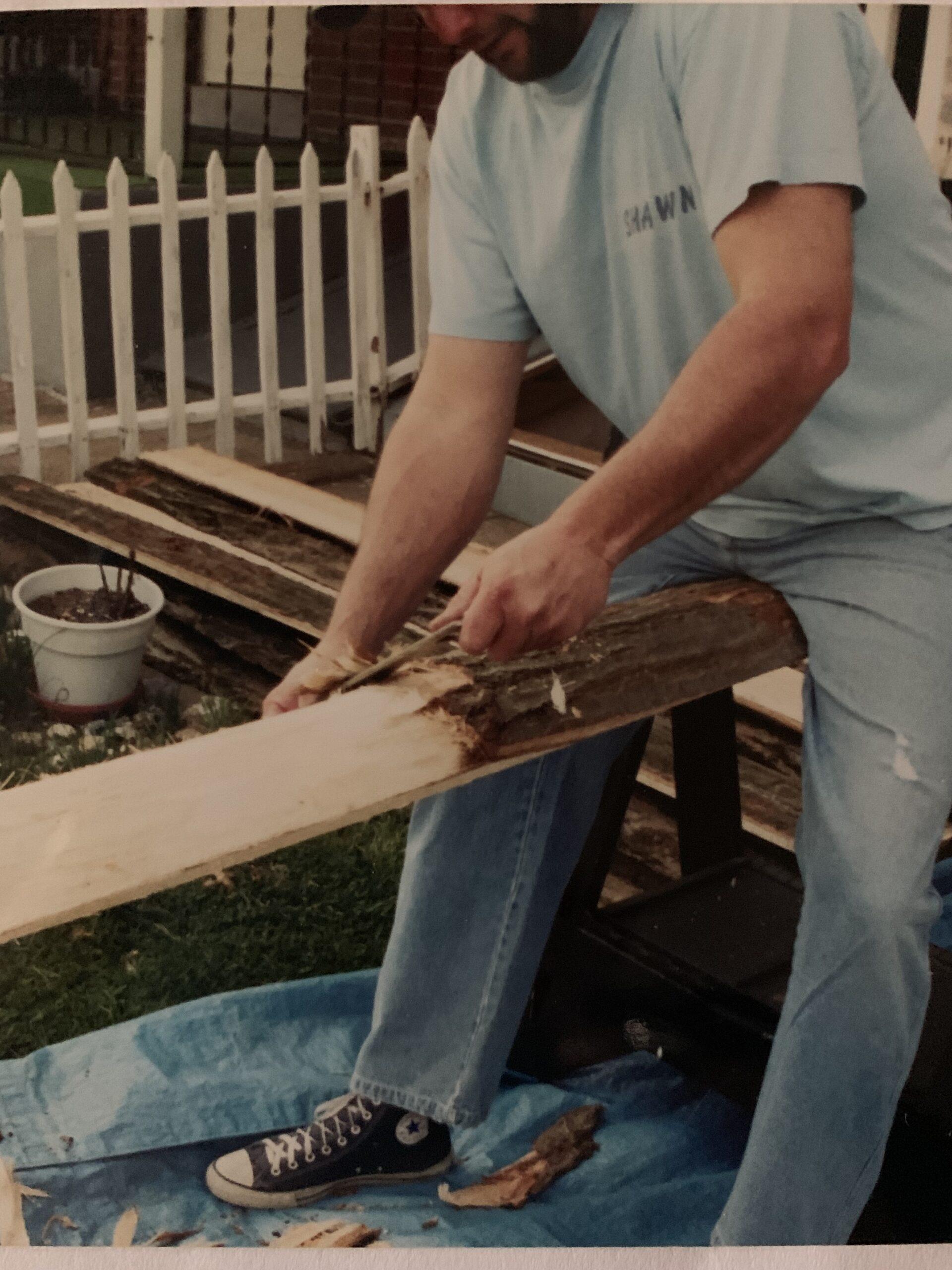
In 2004, we ordered our new van and when we received it, he started to work on turning it into a log cabin on wheels. We bought the oak slab wood from a sawmill in Berks County and he debarked all of the wood with a draw knife and other hand tools. He insulated the whole van and proceeded to contact Kline Construction Company in Boyertown, PA to find out where we can purchase the Perma-Chink to be used in the making of the interior of the van. He installed all the oak wood and then applied the Perma-Chink.
We also used the Perma-Chink when we remodeled the recreation room in our home. It now looks like the interior of a log cabin. It also is the reason why we visited the Petersburg, PA location because we needed some more of the Perma-Chink.
We have always talked about visiting the Perma-Chink location in Petersburg, Pa and finally did in May, 2024. We are so glad we did. It was great to meet everyone there and hear the history of the company.”
And now, the pictures!
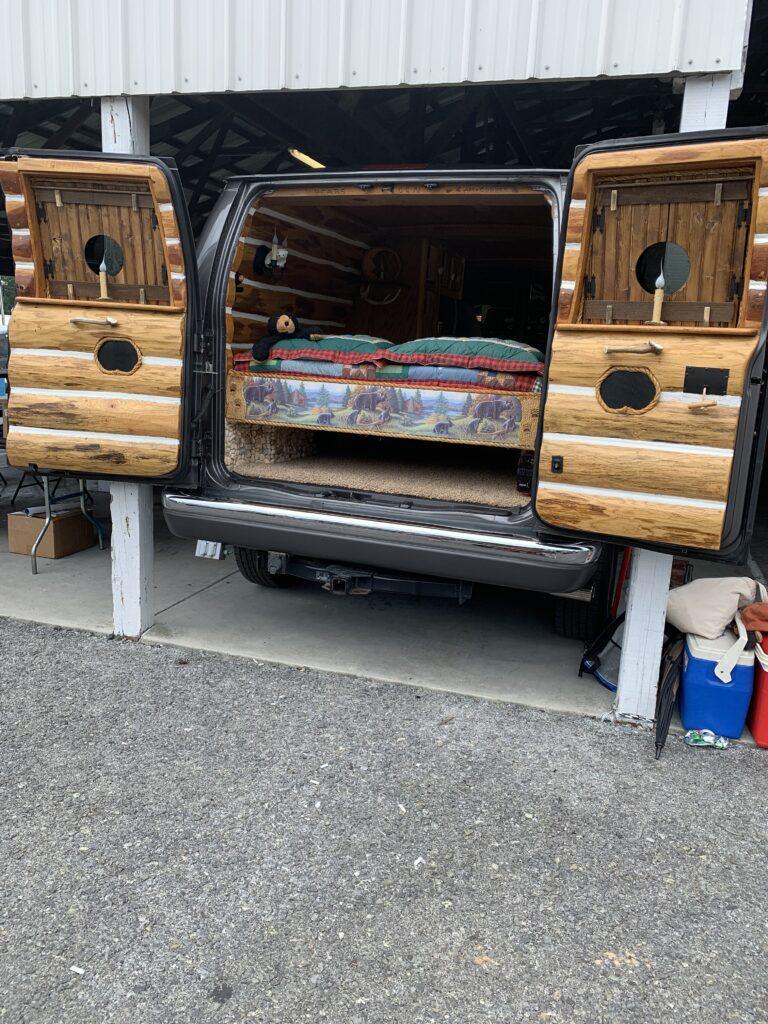
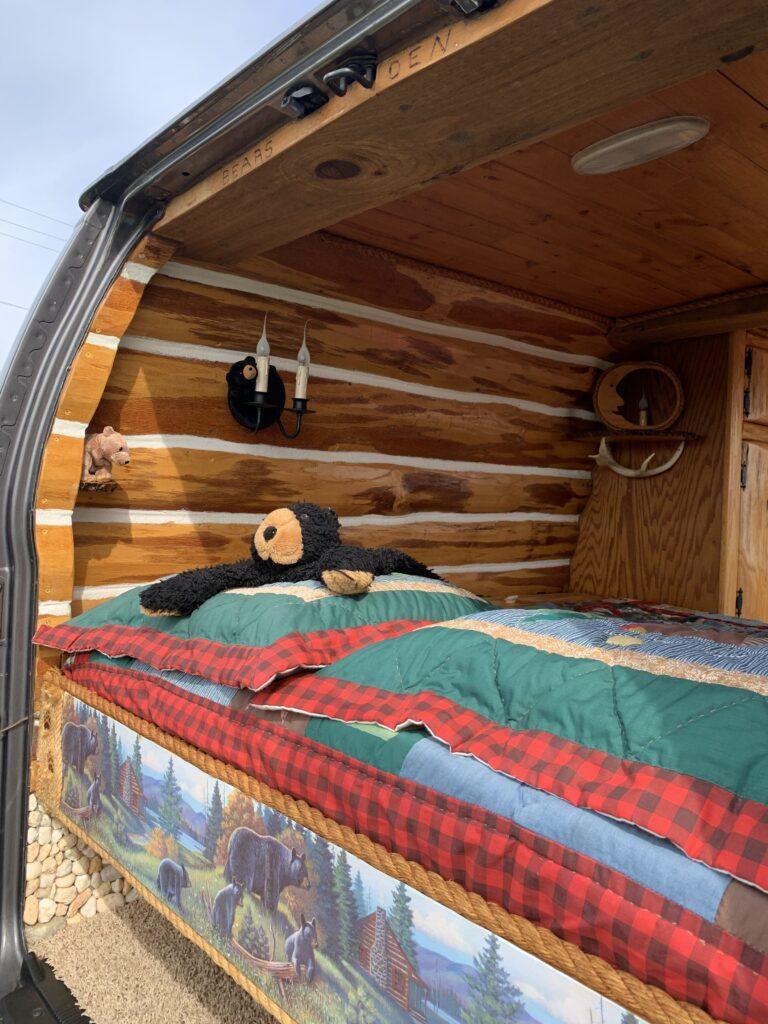
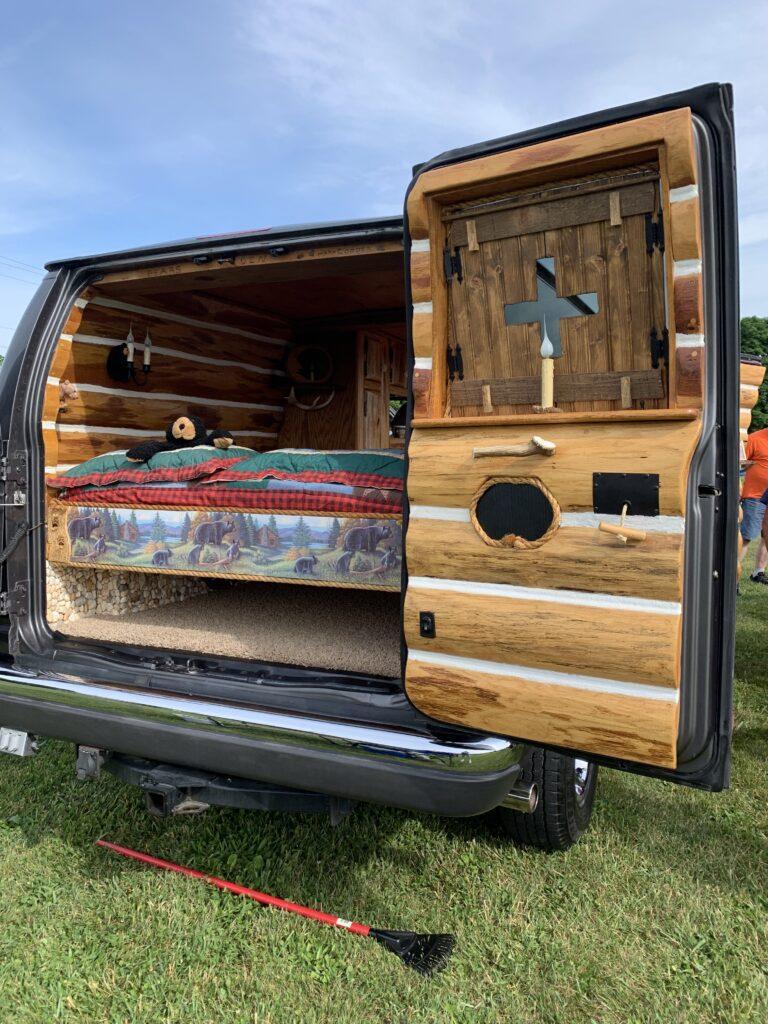
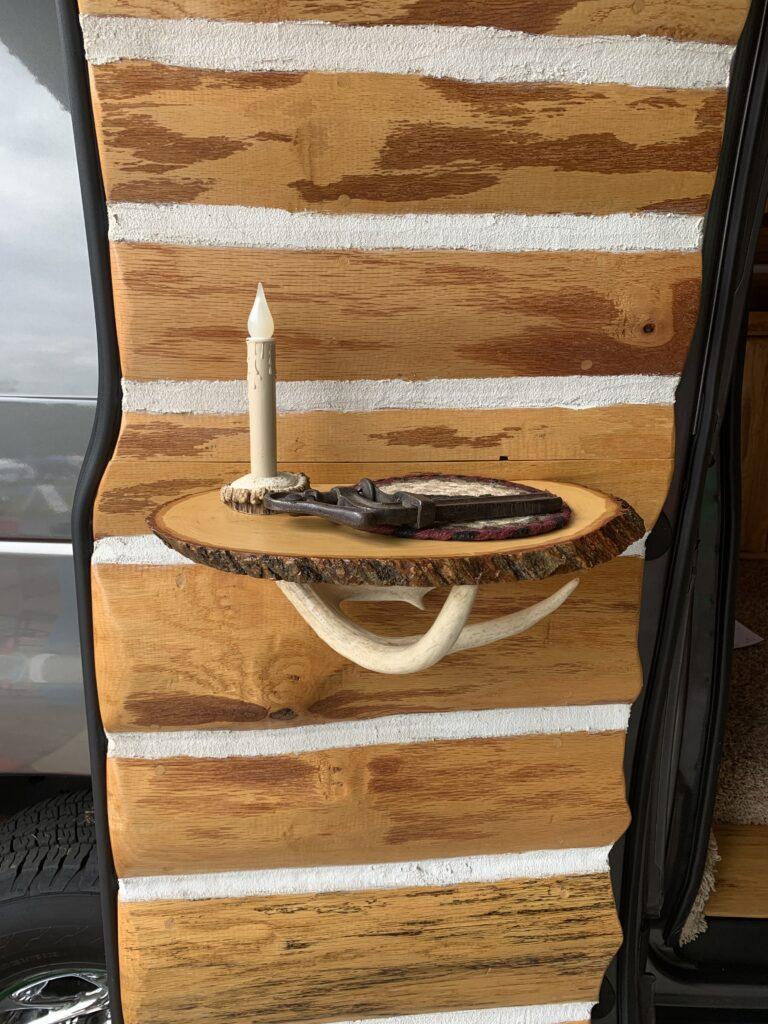
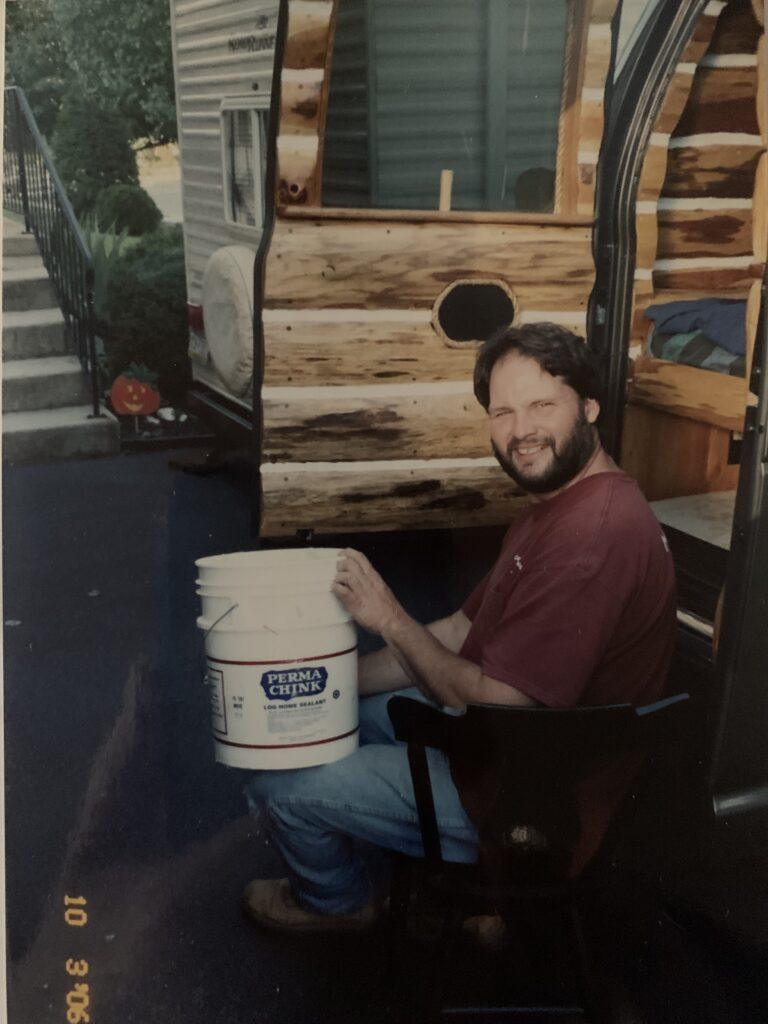
There you have it! A beautiful project that illustrates the flexibility of our product and the creative ingenuity of van (and home) owners. We thank Barbara and Shawn for sharing their labor of love with us, and for choosing Perma-Chink to create the look they desired.
As always, Perma-Chink and our whole line of products is available at Store.PermaChink.com – order your project materials today!
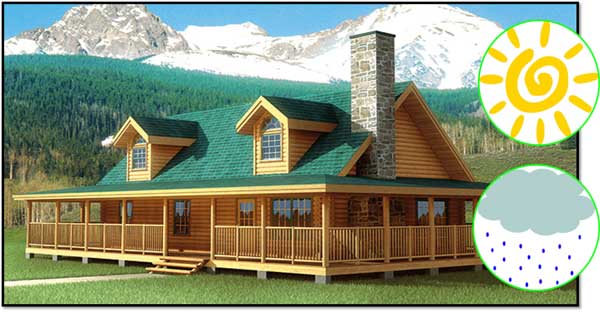
Sunlight offers life to Earth, yet also be one of the most damaging objects in our world. While we relish the warmth from the sun and we love the summertime fun, the sun’s ultraviolet rays damage any surface that isn’t protected. For humans, we get protection from clothing and sunscreen. But for your log home, what does it get? What can be done to lessen weathering brought on by UV light?
Given enough time, the sun and environment will eventually wear down any exterior finish whether it is latex paint, oil-based stain, or a semi-transparent finish. The goal is to prolong the life of the wood as long as possible through a combination of home design and protective log finishes.
Protect Through Planning
Structurally, log home surfaces can be protected by having covered porches or extending eaves to shade log surfaces, but sometimes that is not possible with the home’s design or the owner’s preference. A home could also be shaded by tall trees, minimizing direct sun exposure.
The best non-structural protection from UV exposure is using Lifeline finishes and Advance topcoat. Working in concert, these two layers offer unrivaled protection, minimizing the damage UV light can do to untreated wood. Lifeline finishes can last decades if properly cared for as part of a whole-home defensive strategy against UV and environmental damage.
How Lifeline Finishes Protects Against Weathering
Lifeline Ultra-7 and Ultra-2 finishes block UV light through the color pigments, which means some finish colors are more effective than others at blocking UV light. Darker colors contain more colorants, thus contain more UV blocking power than lighter colors. Certain light colors which include titanium white contain a high colorant loading, making them very effective against UV light and reflective of the sun’s heat. This reduces stress on the logs brought on by temperature swings. This is why we recommend finishes with pigments, rather than just applying a clear coat to exterior logs. Lifeline Exterior and Accents can offer the same protection with the addition of UV Boost to the finish.
Advance topcoat, in gloss or satin, protects the finish by reflecting UV light and defending the surface from other environmental attacks. Gloss does have an advantage over satin, reflecting more than a satin sheen. However, Advance is most effective when it is clean, free from the abrading effects of wind or accumulation of pollen and dirt. That is why we recommend a yearly cleaning of the logs with Log Wash. Much like the clearcoat on a car, a topcoat does all the heavy lifting when it comes to fighting the environment.
Effect of Weathering on Squared Logs
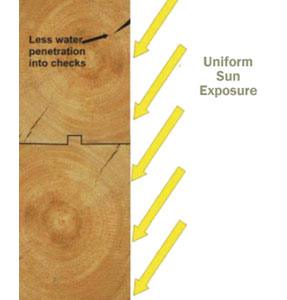
The construction method of the log home is also something to pay attention to when it comes to weathering. Flat surfaces get attacked by UV light evenly across the surface. Homes built with squared logs will have uniform exposure, so any weathering will appear evenly. Squared logs also do not accumulate as much dirt and debris as round logs, which can keep the finish cleaner.
Effect of Weathering on Round Logs
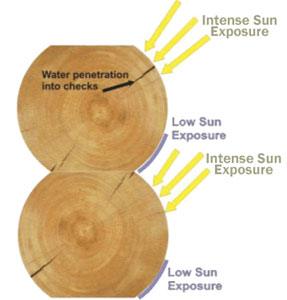
Round logs, the most traditional construction method of log homes, have high and low sun exposure sections, making any weathering first noticeable on the tops of the log. Snow and ice can accumulate on the top portion of the logs, introducing more moisture into the log and log checks. This will accelerate weathering on the tops of the logs if not maintained properly. Conversely, the lower portion of the log is out of direct sun exposure, maintaining its protection and longevity.
Effect of Weathering on Log Siding
Round log siding probably presents the greatest challenge to forestalling the effects of weathering. Typically used in high-exposure locations such as dormers and gable ends, log siding has some features which make it even more difficult to protect from the effects of the weather. Siding is often manufactured from lower quality wood than logs, frequently using green wood. This makes it more susceptible to twisting, warping and cracking.
Log siding is greatly affected by temperature swings, since it does not have the high thermal mass of full logs. Think of it like heating a pot of water and a cup of water – which one will boil faster? That same concept, applied to logs, introduces more mechanical stress (growing, shrinking, twisting) during the course of the day. This movement can introduce small fissures in the wood, ultimately allowing rainwater to get behind the finish and cause damage to the wood and finish.
What Can A Homeowner Do To Prevent Weathering?
A homeowner can fight weathering through protecting logs from harmful UV light using structural or environmental shading, and choosing a finish designed to protect the wood. We have compiled best practice recommendations for keeping your home looking great for generations. All homes will have different levels of UV exposure, and location matters a great deal in the effort required to combat UV damage.
Here are the following best practices to combat weathering:
In short, all our wood stains and finishes perform phenomenally – providing excellent UV protection, allowing wood to breathe as the home acclimates seasonally, and ensuring maximum color retention.
For over 40 years Perma-Chink Systems has been protecting log homes and protecting them right. Our focus is on preserving log and timber homes for future generations. We want log home owners to focus on making memories in their home, not spending all their time maintaining the home.







Recommendations
- There are two basic ways to combat the effects of weathering. By far the most effective method is to keep wood surfaces in the shade as much as possible by extending roof overhangs or constructing roofed porches around the home.
- Keep all vegetation at least 24 inches away from wood surfaces to allow for adequate ventilation and drying out of these surfaces.
- Clean the wood surfaces to remove all foreign materials from the wood prior to the application of an exterior finish system. The overall performance of even the best finish system is dependent upon proper surface preparation and application technique.
- Select and apply a highly durable exterior semi-transparent stain, like Lifeline™ Ultra-7 or Ultra-2 to protect the wood and enjoy the beauty of the wood grain. Select Lifeline™ Accents to highlight wood timbers and trim if more opacity is desired.
- Apply an exterior clear topcoat, like Lifeline™ Advance Gloss or Satin, to protect the color coat and add additional UV and mold and mildew protection. Consider the Gloss for additional reflection of UV light.
- Fill all upward facing checks, cracks in wood, with a specialized acrylic sealant, like Check Mate 2™
- Clean the finish systems at least once a year with Log Wash™, a liquid concentrate for bare wood and maintenance cleaning, to remove all foreign debris for the surface of the finish system and extend its longevity.
- Perform an annual inspection of the coating system as a proactive maintenance approach.
- Darkening of the wood or finish when water is applied, is an indication of water getting through the coating and wetting the wood
- Checks or micro-fissures in the wood, especially upward-facing
- Cracks in the finish
- Color fading
- Pay close attention to the south- and west-facing surfaces
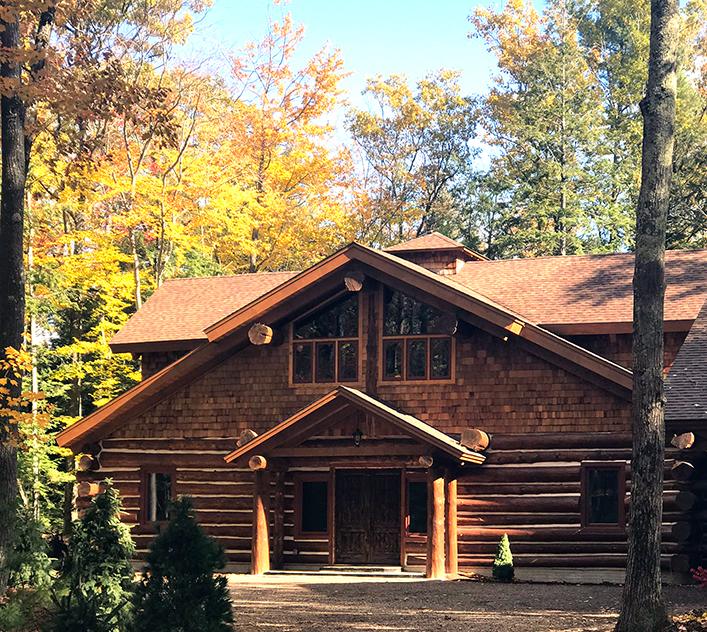
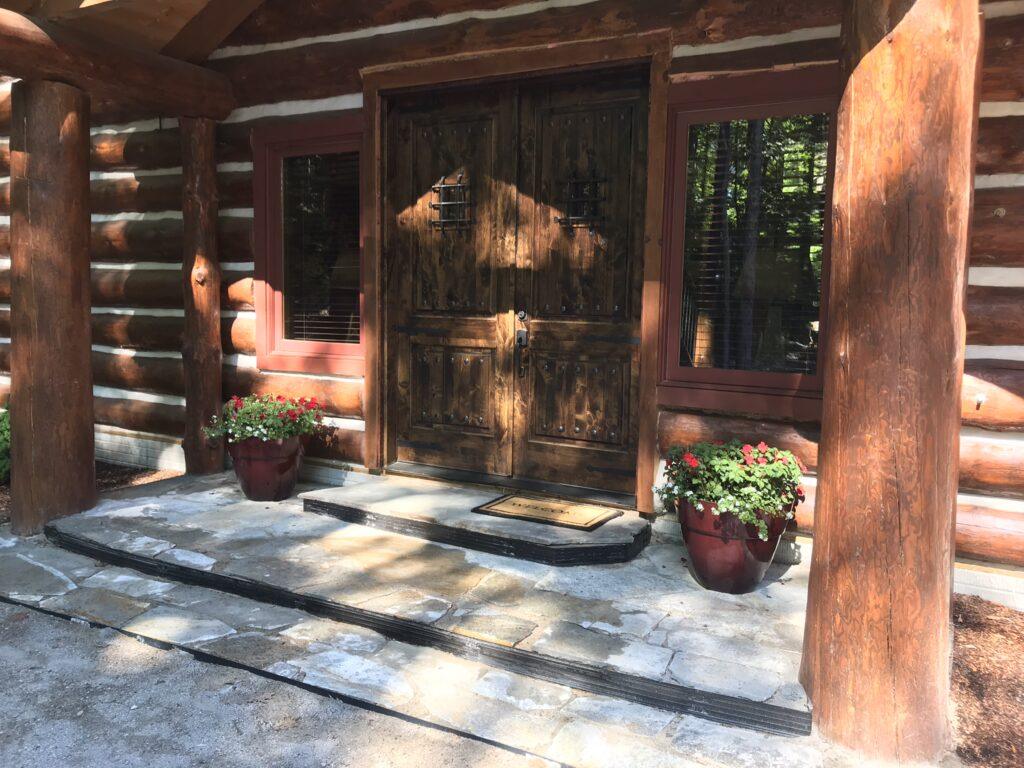
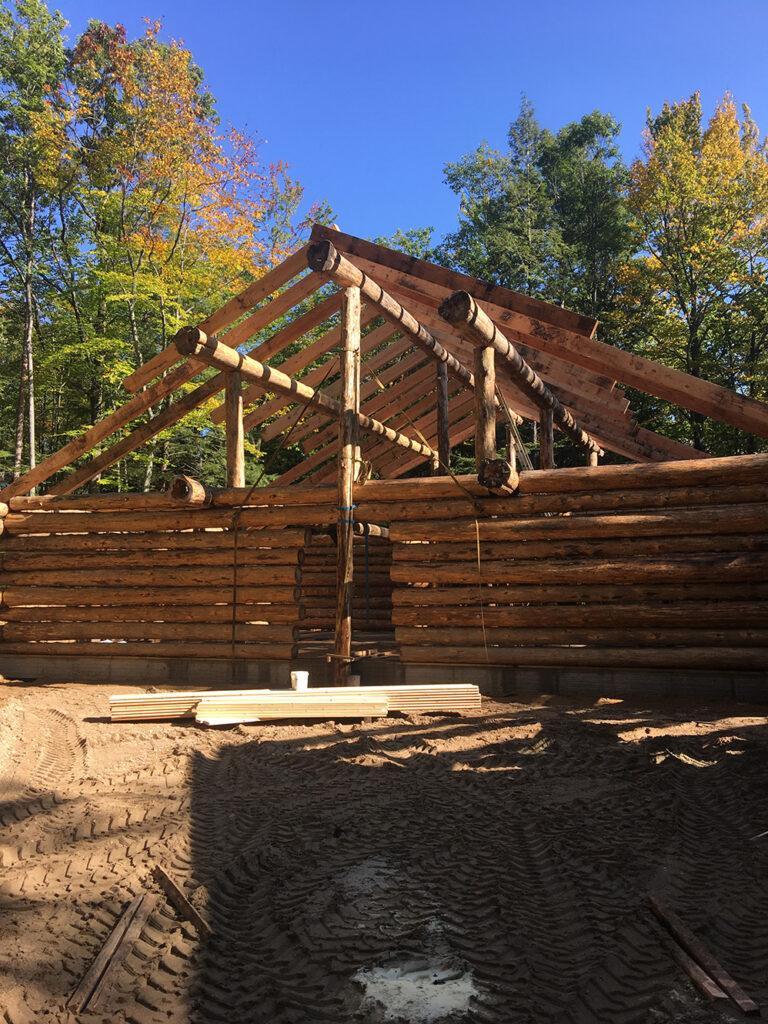
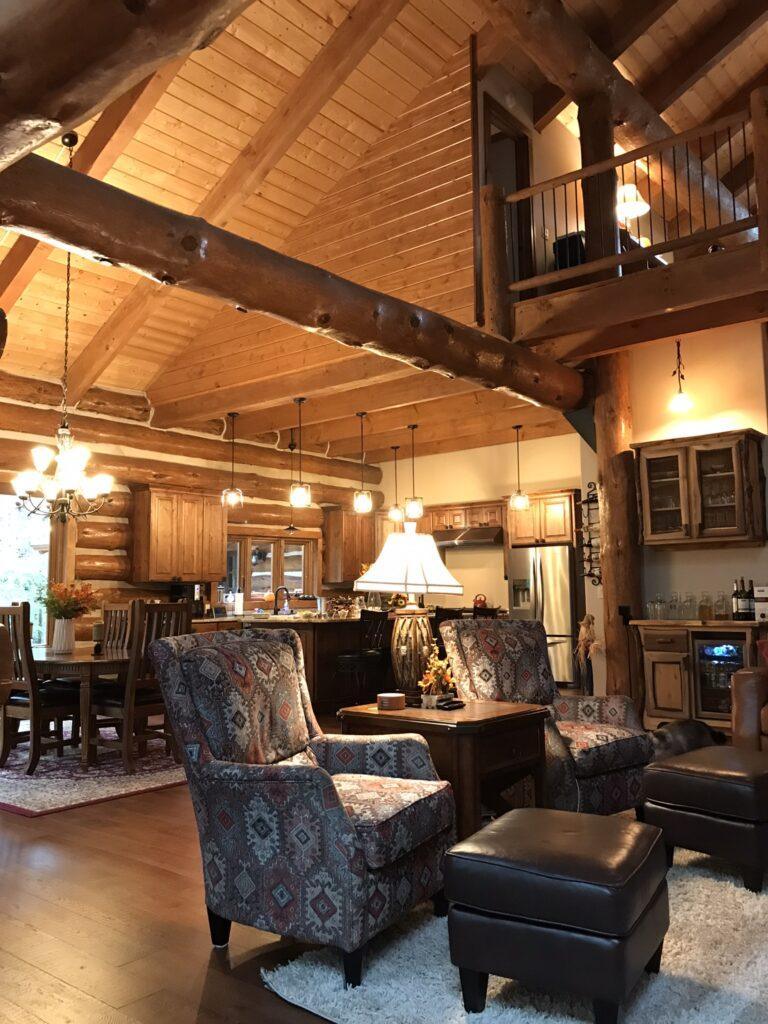
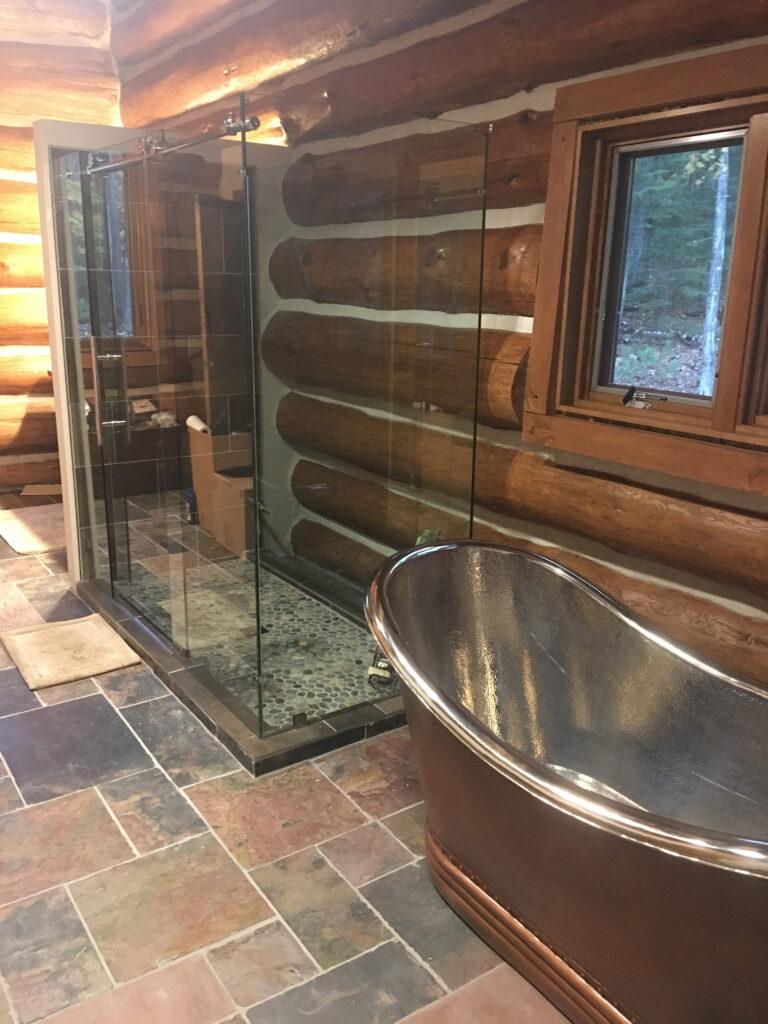
This Michigan log home was completed by the homeowners over 2 years in 2016-2017. Red pine logs were regionally sourced from Wisconsin and northern Michigan. The homeowners peeled, sanded, stained, and sealed the log home themselves, making this home a beautiful labor of love.
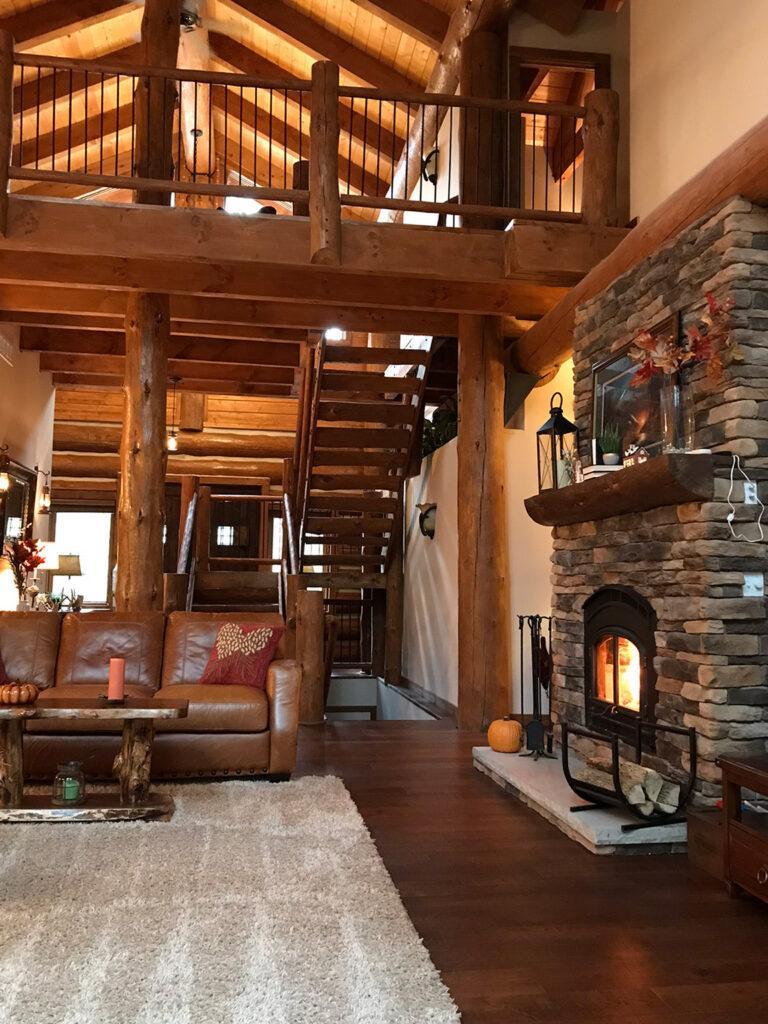
The exterior is finished with Lifeline Ultra-2 Sequoia with Advance Gloss, and log gaps sealed with Perma-Chink Stone. Interior logs and beams were finished with Lifeline Ultra-2 Dark Natural and Advance Gloss topcoat for the rest. Gaps were filled with Energy Seal – Dark Natural for interior, Dark Walnut for exterior gaps.
“Using your products was so effortless with easy application, no odor, and easy clean up. We have recommended Perma-Chink to others who have log homes in the area.” – Roger & Diane G.
How do I know what color PCS stain will be on my house?
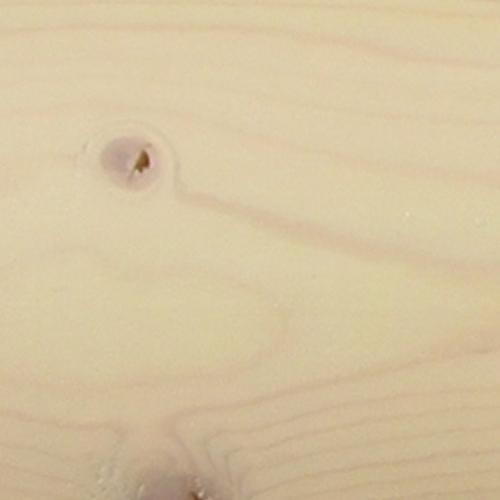
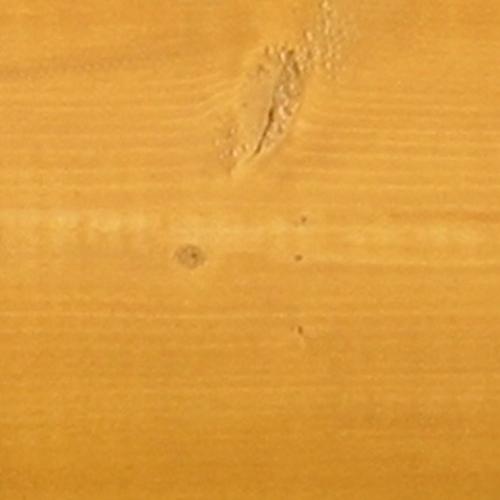
Transparent stains develop color differently, depending primarily upon the wood species, the surface preparation, the application method and the kind of light illuminating it. Even photos can be edited in a way that alters the true color.
The only way you will really know how the stain will look is to try it on your wood. We will provide complimentary samples of Lifeline for you to try on your own wood before purchasing the product.
Not just Beautiful, but also Durable!
In addition to building a strong home, you want to build a beautiful home, too, which is why the finished appearance of your logs is so important. No doubt that high-quality finishes will save you time and money in the long run. Longer lasting PCS finishes equates to less labor expense over the life of the finish.
Simply Unmatched.
The benefits of Lifeline Ultra are endless, but here are some points that differentiate the Lifeline brand from others.
1. Unsurpassed Adhesion to Wood
The secret behind its durability is Lifeline’s state-of-the-art resin that creates a flexible and tough seal on your home’s logs. Perhaps more importantly than the seal’s strength, the resin ensures a continuous seal, providing protection from holes and gaps that might otherwise develop with an inferior finish.
2. More Resistant to UV Degradation and Color Fading
The transparent iron oxides protect your logs without resulting in a “painted” look that hides the natural texture and beauty of the wood grain. Plus, these pigments provide superior UV protection, blocking the fading and bleaching effects of the sun for a much longer period of time.
3. Water-Resistant and Breathable
All Lifeline finishes form water-resistant film that breathes just like Gore-Tex® to allow trapped moisture to evaporate while protecting the wood.
4. 5-Year Warranty
We are so confident in the performance of Ultra-7 and Ultra-2 that it comes with a 5-year warranty against UV exposure when applied to bare wood and covered with an initial coat of Advance clear topcoat.
5. Meets and Exceeds all Standards for low-VOC
Water-based finishes lack the chemicals in oil-based finishes that are harmful to the environment and difficult to clean up.
Unlimited Color Choices
I think we have already convinced you that the Lifeline Ultra brand is the best there in the industry for any wood home. Now here is the icing on the cake – you can choose any color your heart desires!
Choose from any colors below or send us your desired color chip. Then let us know what base you want the color to be in – Lifeline Ultra-7, Lifeline Ultra-2, Lifeline Accents or Lifeline Exterior.
If you’re looking for a different color than what we offer, we will make a custom stain color for you the same day. Don’t wait, call us today for your custom color at 1-800-548-3554.





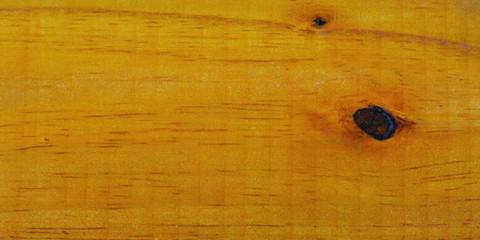
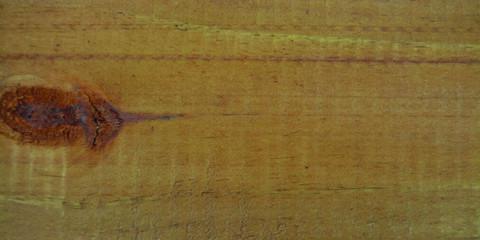
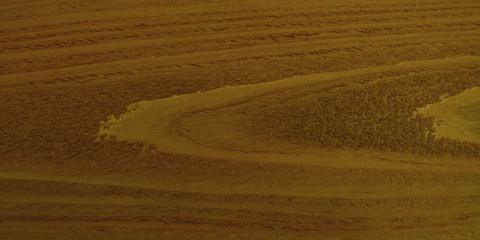
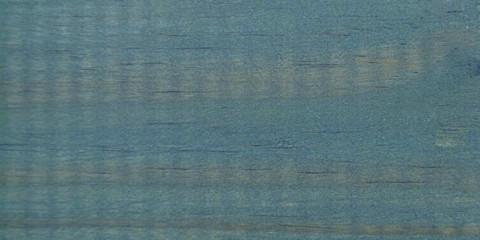
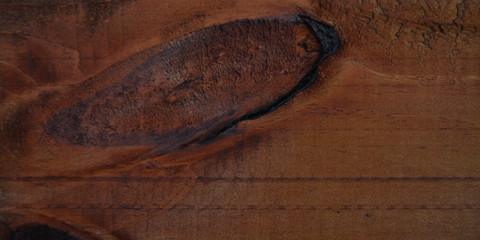
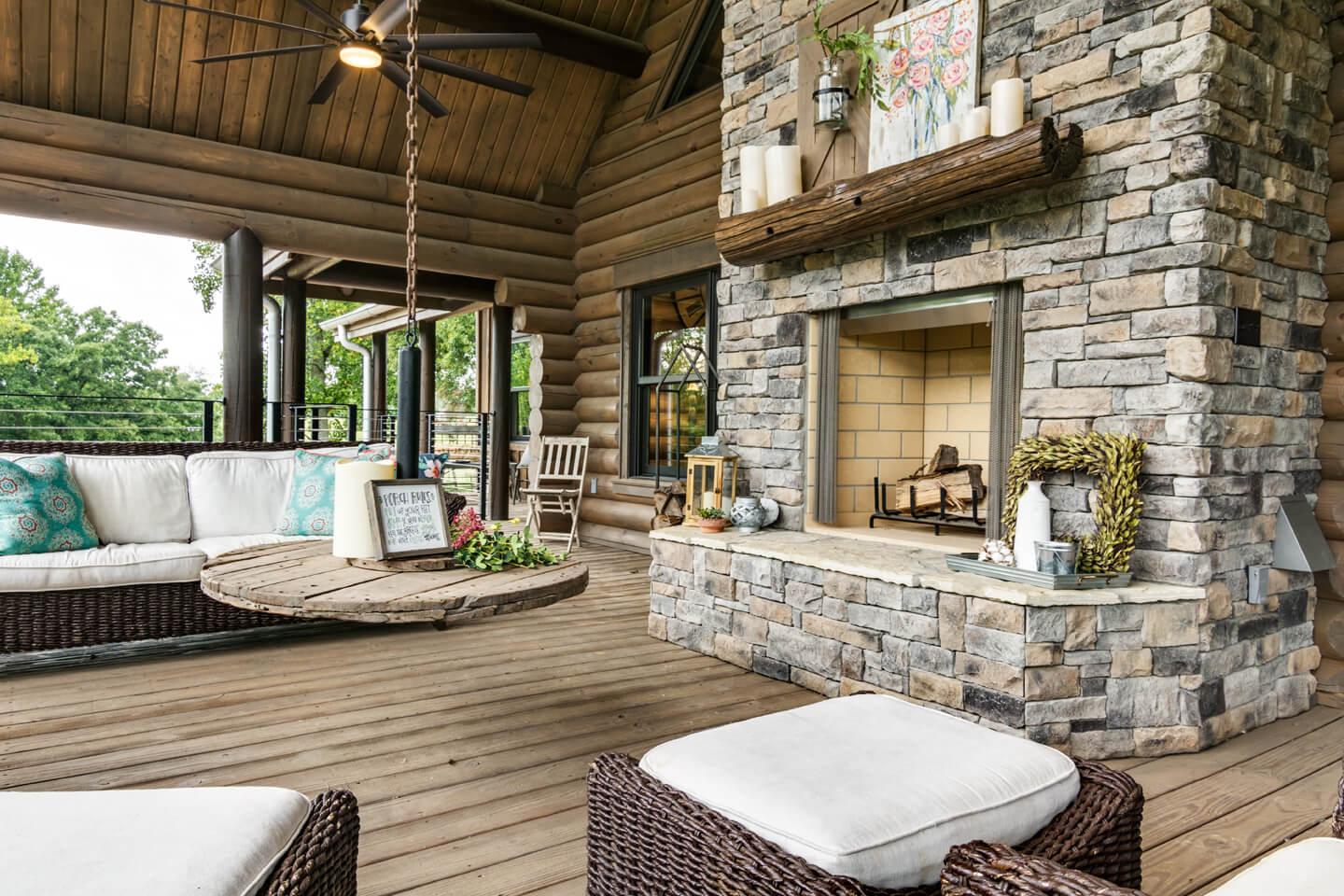
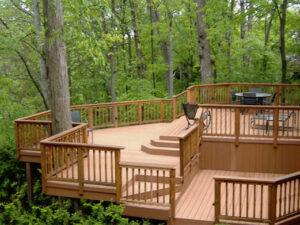
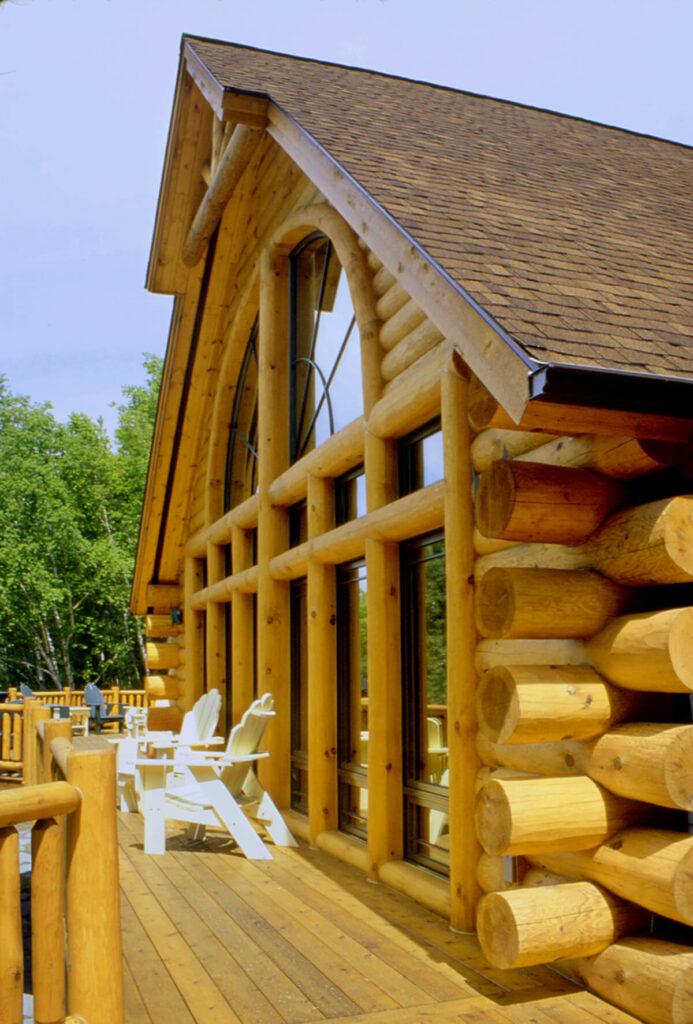
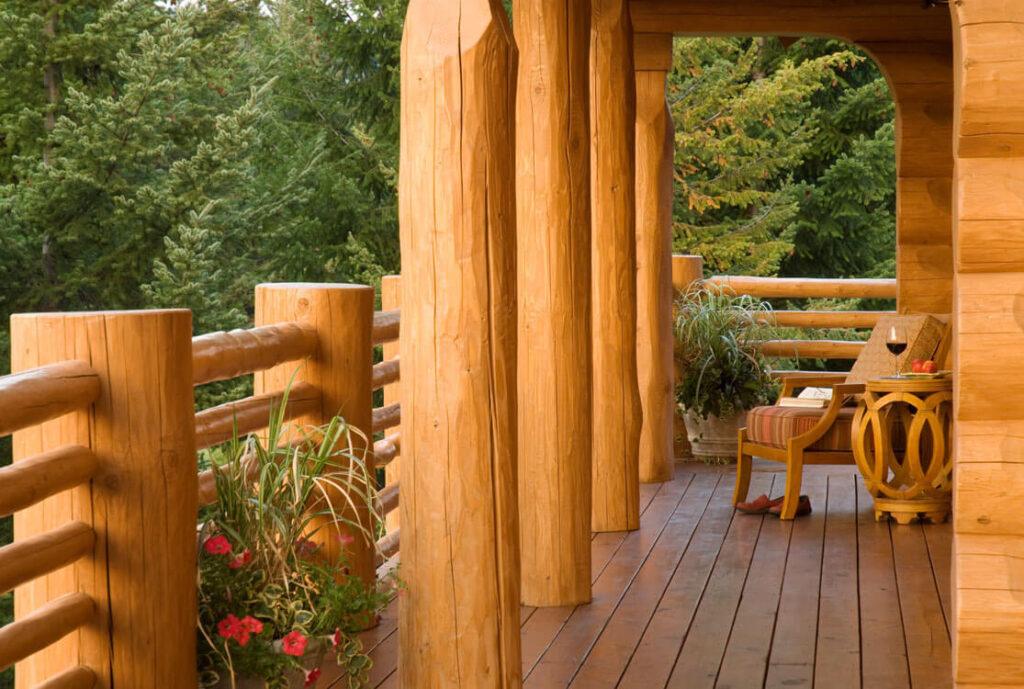
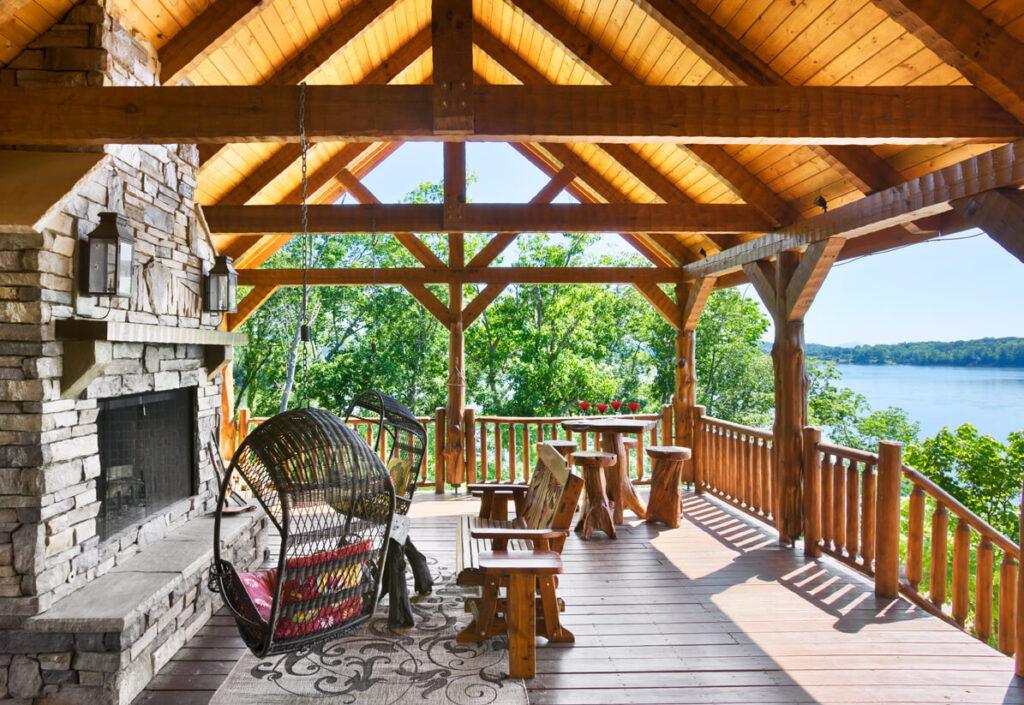
There’s something to be said for enjoying a tasty beverage outside at the end of a long day, bbqing on a beautiful summer day, or just enjoying the evening air and the setting sun on a crisp fall evening. Settled on a porch swing, rocking chair, or a bench, relaxing outside your home is a nice, therapeutic stress release. For others it is a way of life, a daily ritual to spend quality time with loved ones. Decks and porches are where many gather for dinner, entertaining, relaxing, and on some occasions, napping.
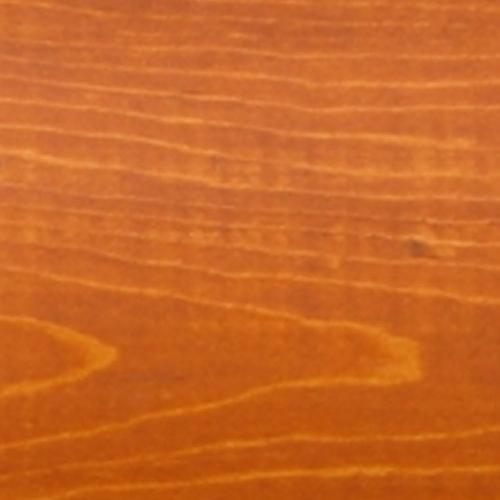
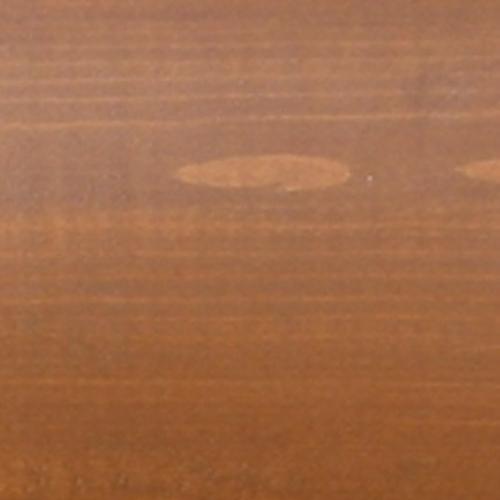
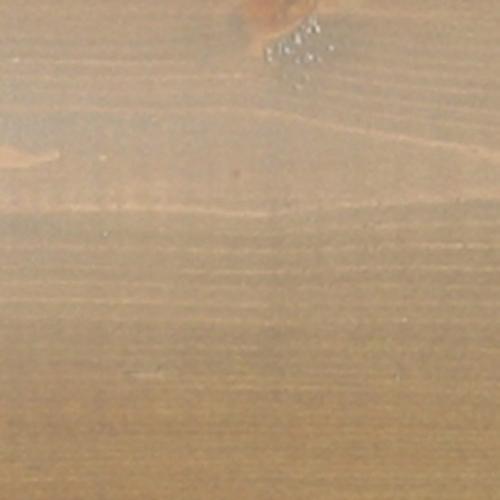
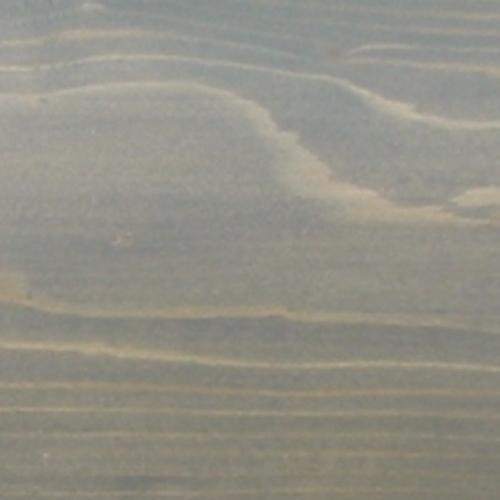
Whatever the reason for sitting outside, exterior entertaining areas will benefit from Deck Defense stain. The new technology developed for Deck Defense offers superior penetration and protection of wood surfaces. A hybrid-like stain, it’s a water-borne stain that penetrates like oil-based stains, creating a lattice-like coating that supports and strengthen wood’s natural fibers.
More Than Decks!
Deck Defense isn’t only for decking, which requires a durable stain to stand up to foot traffic, furniture moving, rolling BBQs around, and a host of other activities that most stains aren’t designed for. Deck Defense is also designed for railings and fences, two wood surfaces that are exposed to the environment more so than decking.
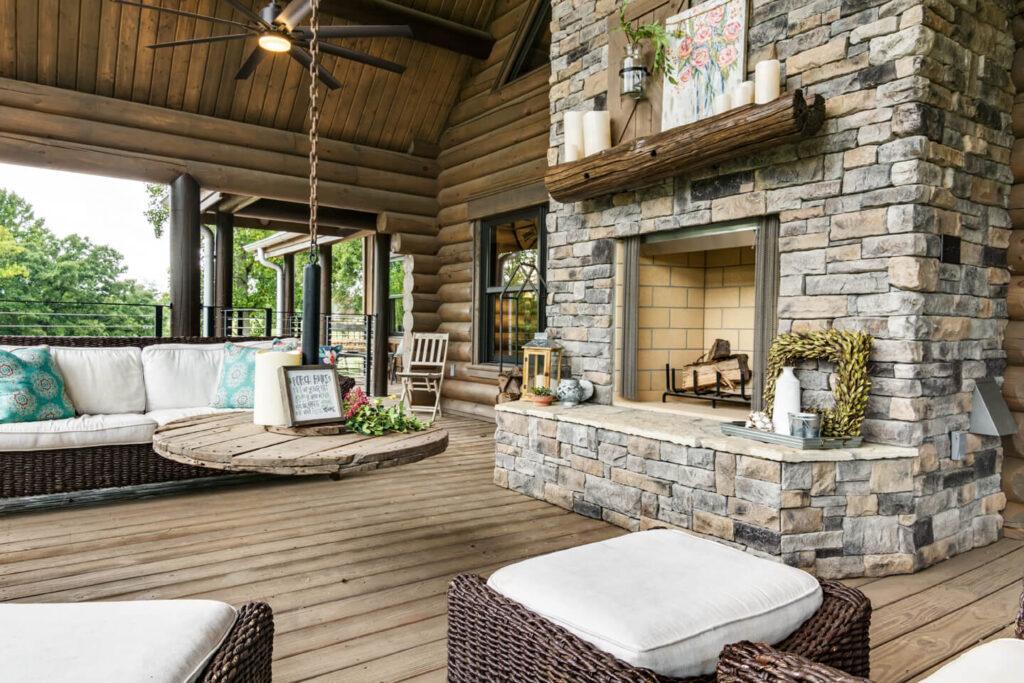
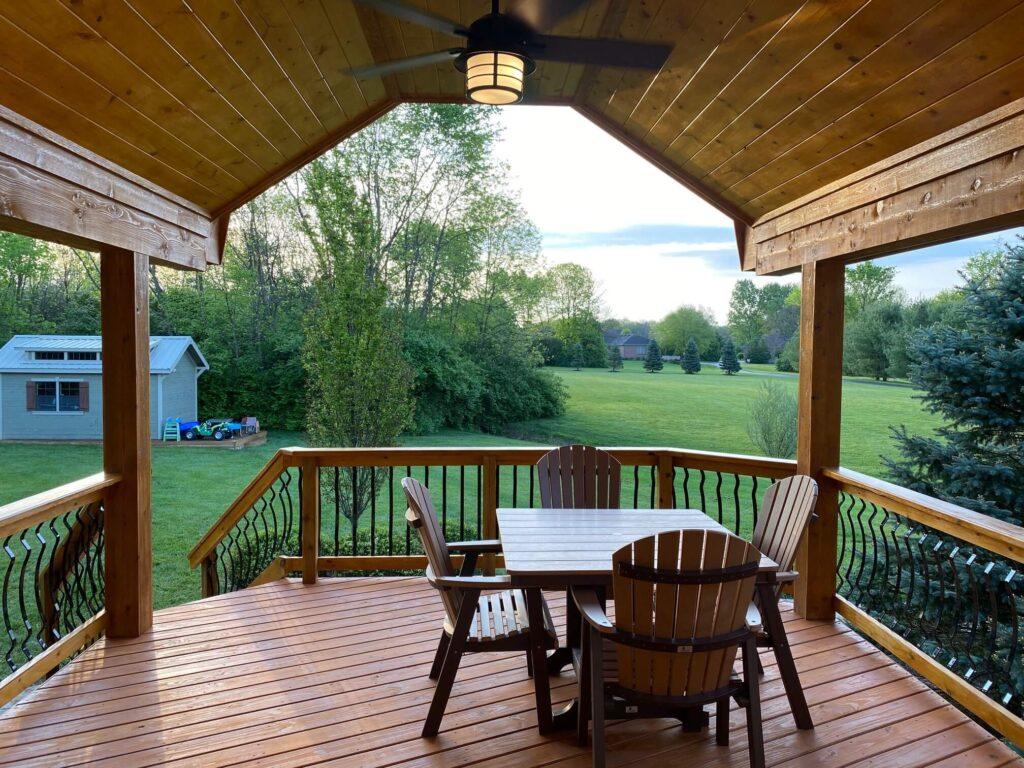
If a deck or porch is covered as part of a wrap-around porch, gazebo or pergola, then Deck Defense will perform even better, as will all our Lifeline exterior stains. With simple proper maintenance, our stains can last years- if not decades- when utilized under a covered area sheltered from the elements. From small logs to giant feature timbers, soffits to siding, our exterior stains will out-perform expectations wood surfaces.
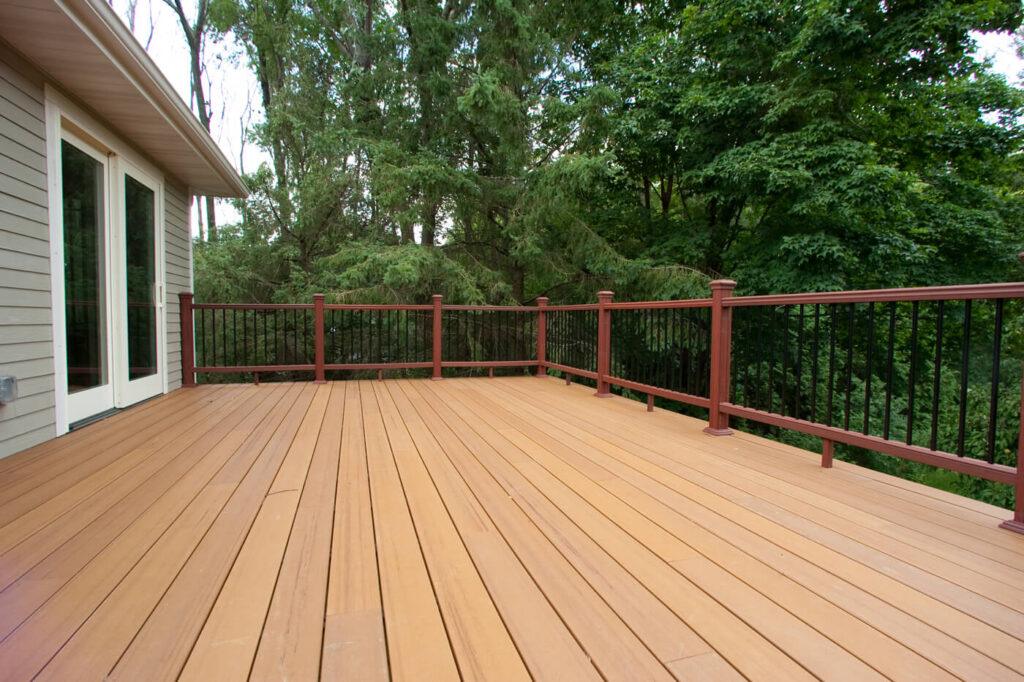
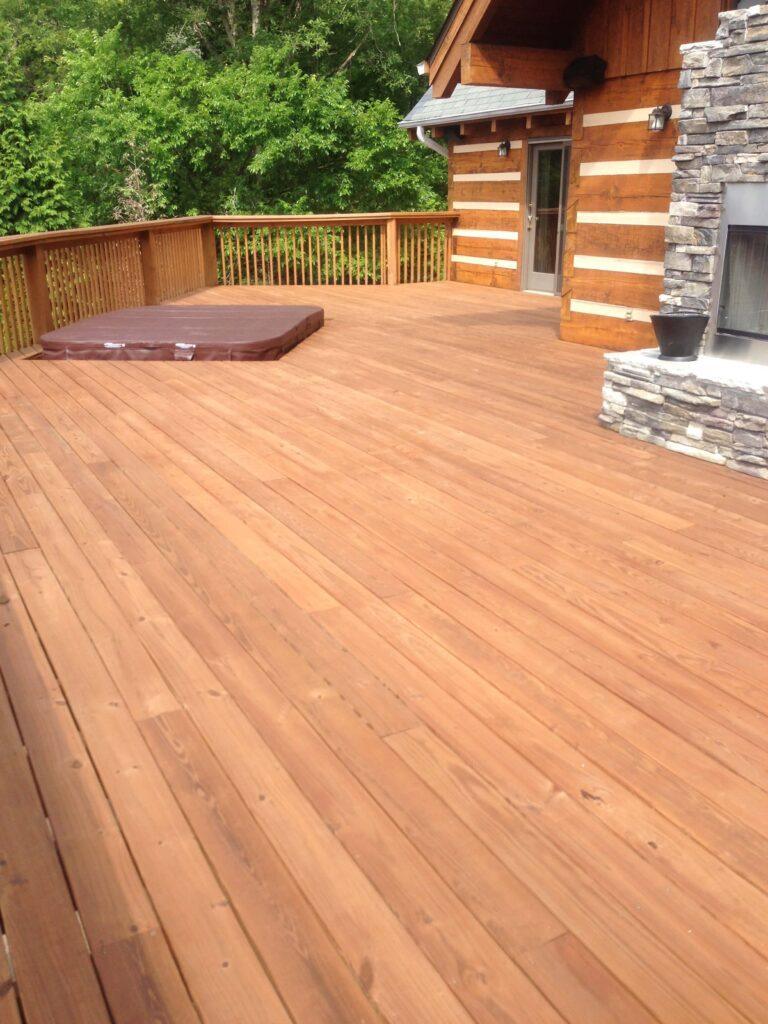
Check out this deck project that used Deck Defense deck stain.
If you love enjoying being outdoors, even if it’s only a foot or two from the front door, Deck Defense and our family of exterior finishes will protect wood surfaces and add richness to wood’s natural beauty. If your deck is an extension of your entertaining environment, our finishes offer a warm, inviting, and elegant charm to your space.
Available in seven standard colors and any custom color you desire. Call us today at 1-800-548-3554 or order online for Deck Defense or samples.
Deck Inspiration Gallery
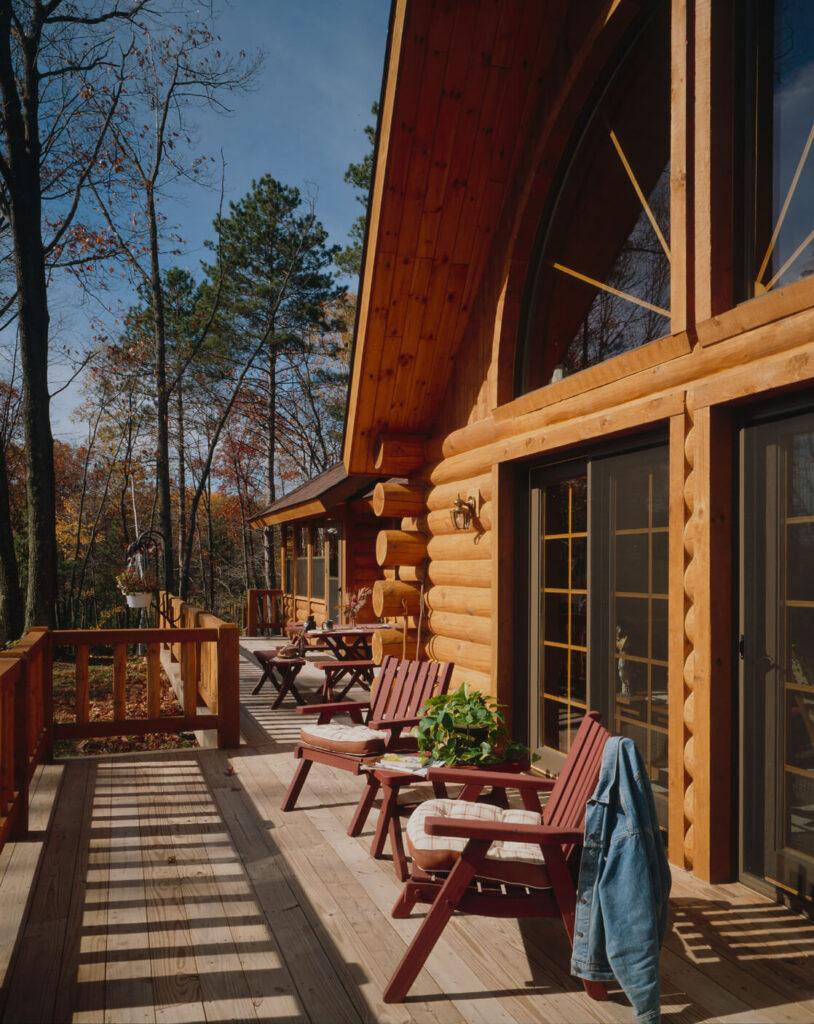

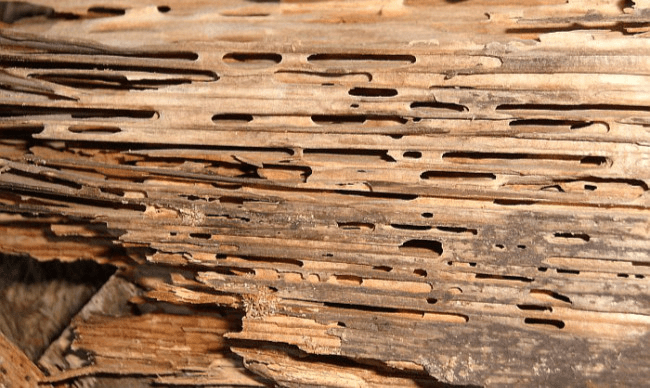
Anyone who has trees on their property has probably seen a carpenter ant here or there at one time or another. Foraging ants roam far and wide looking for food and an occasional sighting is common.
However, if you’ve seen more than a few, there are some things you should know. First of all, carpenter ants do not eat wood, but they sure can damage it. They get their name because they chew through wood creating tunnels and galleries. Usually they nest in moist wood, however, if that’s not available they will expand into sound, dry wood where structural damage can take place quickly. Some even nest in foam, fiberglass insulation, or wood/foam composites.
So, whether you have even seen a carpenter ant or not, it is to your benefit to protect your home against them. PenaShield is an excellent solution for preventing any problems. It is easy to use, completely odorless and requires just one application for the life of your home. It penetrates the wood where they nest, resulting in quicker control and protection against future infestations. Plus, it is deadly to most wood destroying organisms, so you can remedy a whole slew of problems with one easy application.
When insects come into contact with borate treated wood, they live long enough to transport the active ingredients back to their nesting sites on their bodies where it continues to kill other insects in the nest. It works on all types of bare wood, is odorless and can be applied by spray or injection. PenaShield is perfect for pre-treatment, remedial treatment and will not discolor your wood. It is the ultimate protection for your home.
For more information you can contact us direct at 1-800-548-3554 or visit our product page online.