Key Takeaways
- Barbara and Shawn created a log-cabin-inspired van interior using oak slab wood and Perma-Chink.
- The project grew from their interest in a family log cabin that Barbara’s father had lived in decades earlier.
- Shawn installed the oak interior and applied Perma-Chink between the wood pieces to create the cabin-style appearance.
- The couple later used Perma-Chink in a recreation room and visited the Perma-Chink Systems store in Petersburg, Pennsylvania, in May 2024.
Barbara and Shawn found an unusual way to bring the look of a log cabin into a vehicle. Instead of building a traditional log structure, they customized a van with oak slab wood and Perma-Chink.
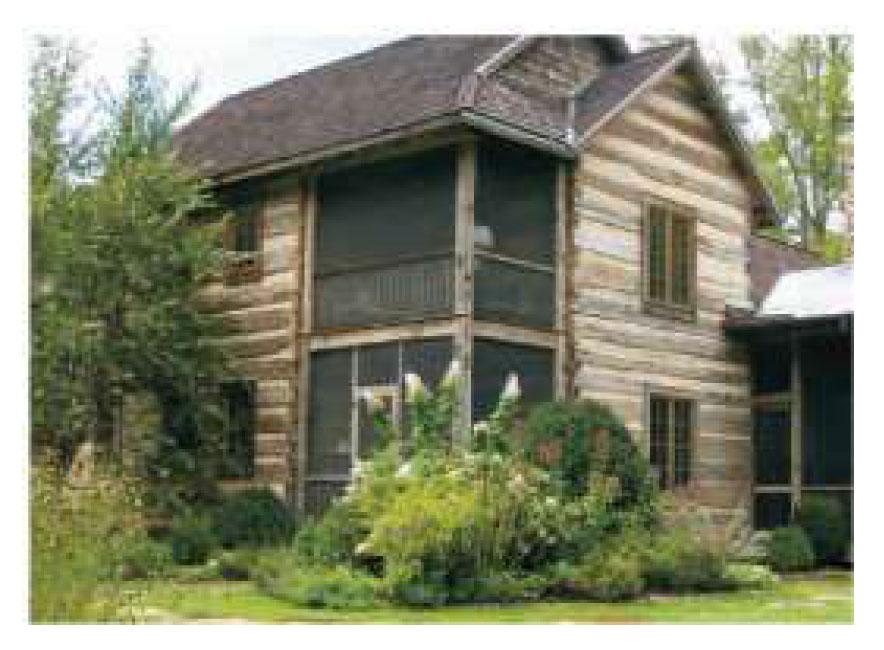
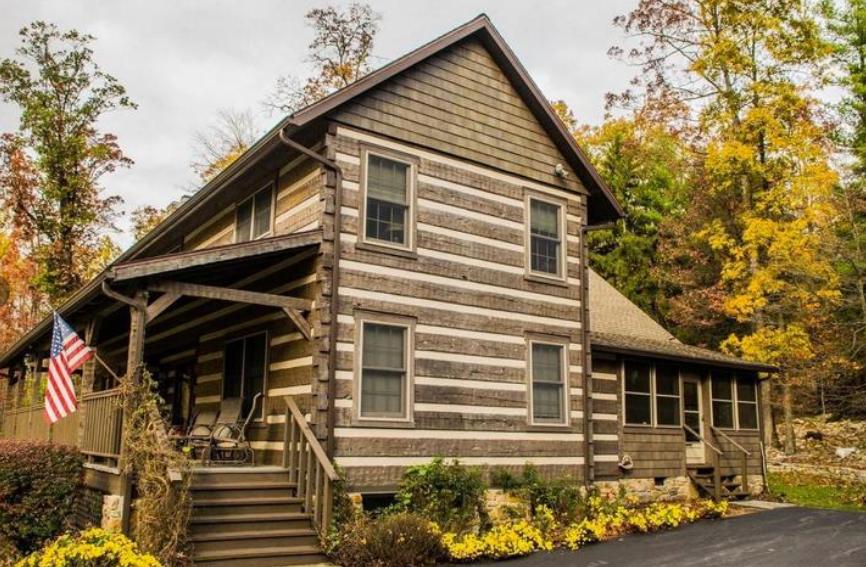
Their project began after they considered buying a log cabin where Barbara’s father had lived with his grandfather during the 1920s and early 1930s. When the cabin was outside their budget, Shawn decided to recreate some of that character inside a new van.
Building a Log-Cabin-Inspired Van Interior
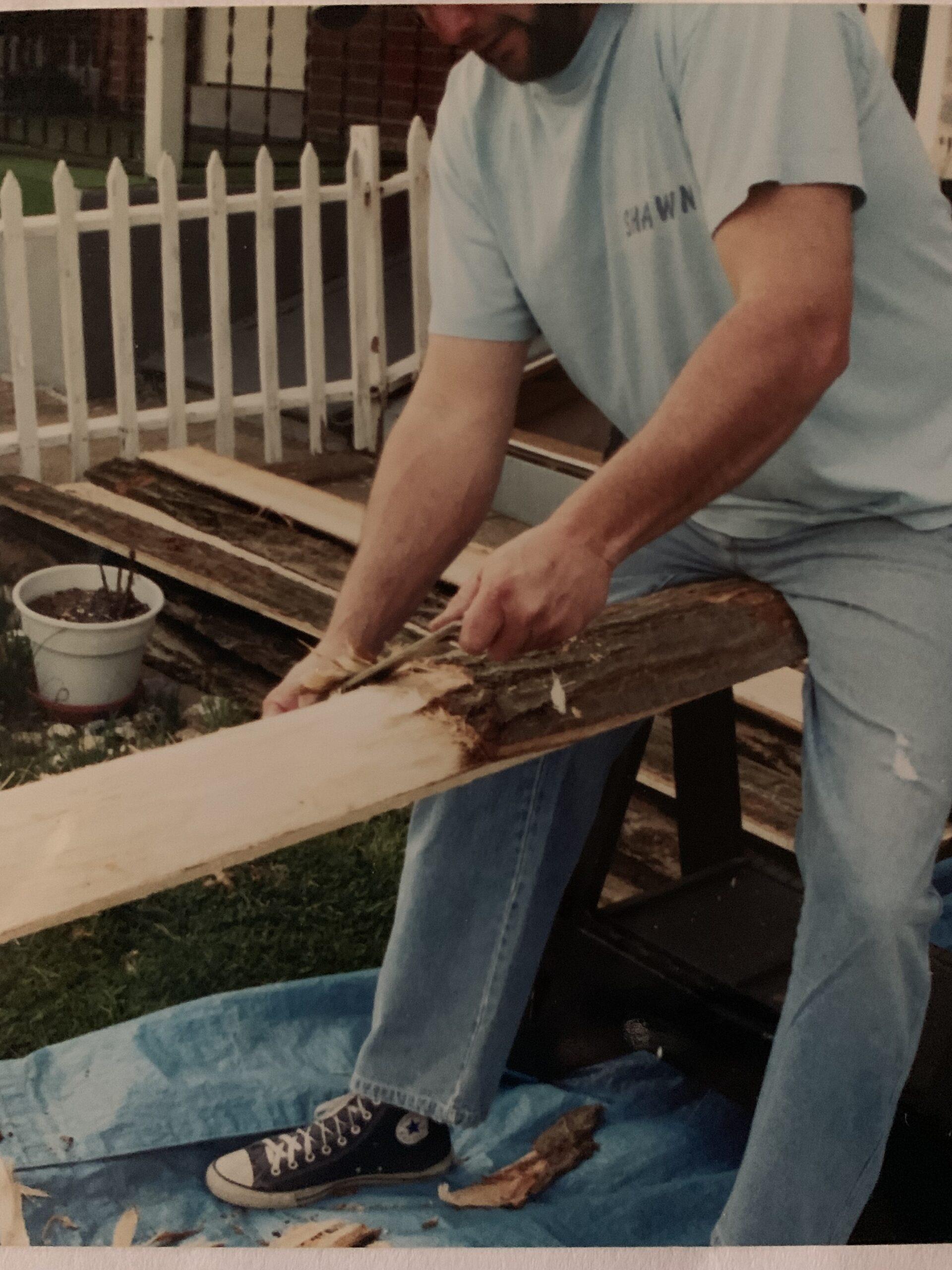
The couple ordered the van in 2004. They sourced oak slab wood from a sawmill in Berks County, Pennsylvania, and Shawn removed the bark with a draw knife and other hand tools before installing the wood.
He insulated the van, installed the oak, and contacted Kline Construction Company in Boyertown, Pennsylvania, to find a source for Perma-Chink. He then applied the chinking between the installed wood pieces.
The finished interior combined exposed oak with visible chink lines, giving the van the appearance Barbara and Shawn wanted without trying to duplicate a conventional log-home wall system.
How Perma-Chink Was Used in the Project
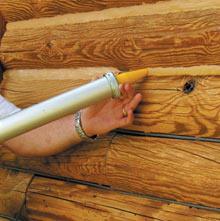
Perma-Chink is a flexible, textured acrylic log home chinking designed to seal open gaps between logs. Perma-Chink Systems lists the product for interior and exterior log-home applications.
Barbara and Shawn’s van is a documented customer project, not a standard Perma-Chink Systems application. Vehicle interiors differ from log and timber structures in their substrates, movement, heat exposure, and construction methods. Anyone considering an unconventional application should contact Perma-Chink Systems before choosing or applying a product.
For conventional log-home projects, homeowners can compare products in the wood sealants and chinking category. Joint width, surface condition, existing material, and the desired appearance all affect product selection.
A Second Cabin-Style Interior at Home
Barbara and Shawn later used Perma-Chink while remodeling the recreation room in their home. That project gave the room a log-cabin appearance using a more conventional residential setting.
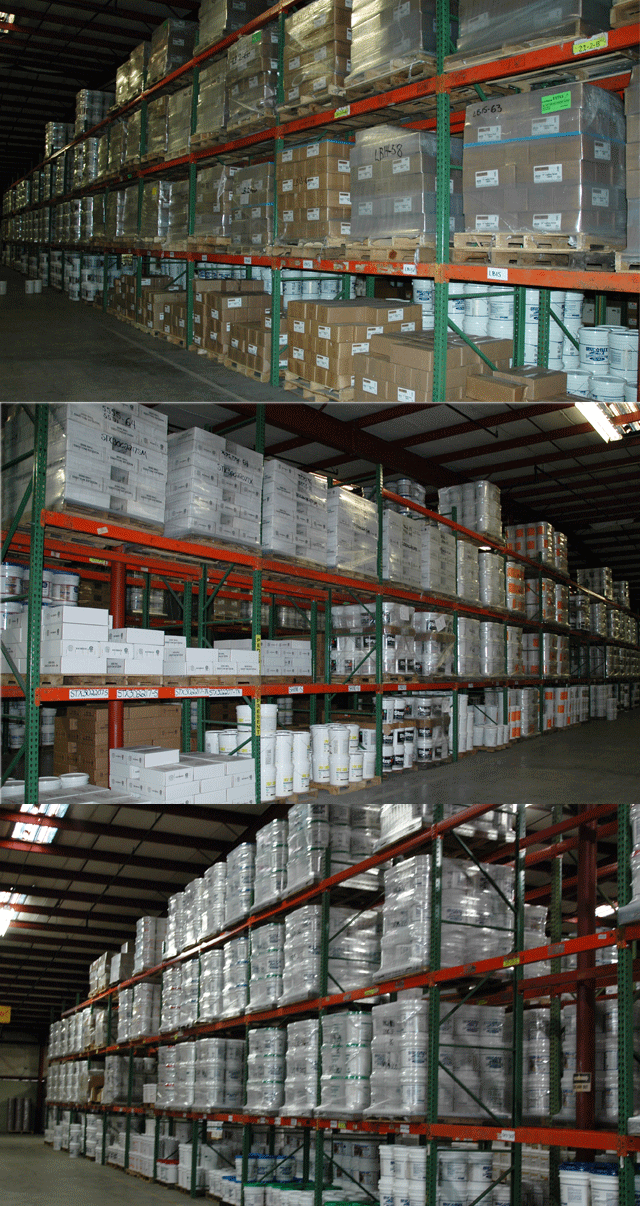
Their need for additional product eventually led them to the Perma-Chink Systems store in Petersburg, Pennsylvania. They visited the location in May 2024 after talking for years about making the trip.
Perma-Chink Systems operates retail locations in several states, including Pennsylvania. Customers can use the company’s store and dealer locator to find a nearby source for products or shop online.
Perma-Chink for Standard Interior Log Projects
Inside a log or timber home, Perma-Chink is used to seal open joints while maintaining the visible appearance of traditional chinking. The product remains flexible so it can accommodate normal log movement after application.
[Current product guidance calls for clean, dry surfaces that are free of oils and waxes. Backing material or another suitable bond breaker is also required where appropriate. These preparation steps help establish the correct joint design before the chinking is applied.]
[Perma-Chink can be applied with several tools, including a chink pump, bulk-loading gun and follow plate, ratchet caulking gun, or application bag. The right method depends on the size of the project and the packaging being used.]
Homeowners and contractors who want to see the process can use the Perma-Chink Systems instructional video library, which includes videos on chinking application, wide chink joints, log siding, and other log-home maintenance topics.
Check the Application Before Starting an Unusual Project
The van project is useful as inspiration, but product selection should still begin with the surface and joint being treated. A product designed for a log wall should not automatically be assumed suitable for every decorative wood installation.
If the project falls outside normal log or timber construction, contact Perma-Chink Systems with details about the substrate, joint width, location, and expected movement. That allows the product choice to be based on the actual application instead of appearance alone.
For standard log-home work, follow the current product label and technical guidance for preparation, backing material, application temperature, tooling, and curing.
Frequently Asked Questions
Was Perma-Chink designed for van interiors?
No. Perma-Chink is designed as chinking for log-home applications. Barbara and Shawn’s van is a customer project that used the product in an unconventional decorative setting, not a general recommendation for automotive interiors.
What kind of wood was used in the van?
Barbara and Shawn used oak slab wood from a sawmill in Berks County, Pennsylvania. Shawn removed the bark with hand tools before installing the wood inside the insulated van.
When did Barbara and Shawn build the van interior?
They began discussing the idea in 2002 and 2003 and ordered the new van in 2004. Shawn began converting it after the vehicle arrived.
Did they use Perma-Chink anywhere else?
Yes. They later used Perma-Chink while remodeling the recreation room in their home to give the space a log-cabin appearance.
Where can I learn how to apply Perma-Chink?
Start with the Perma-Chink product page for current specifications and preparation requirements. The Perma-Chink Systems instructional video library also includes chinking demonstrations for homeowners and contractors.
Barbara and Shawn’s van began as a way to recreate a style of home that held personal meaning for their family. Their finished project shows one customer’s unusual use of Perma-Chink while standard log and timber home projects remain the product’s intended application.