Key Takeaways
- Perma-Chink Systems began selling its flexible synthetic chinking in 1981 after development work started the previous year.
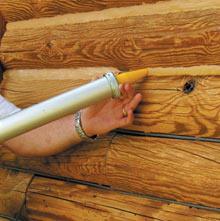
- Perma-Chink was designed to resemble traditional mortar while stretching and adhering as logs move.
- Early relationships with log home manufacturers helped expand the use of synthetic chinking in the industry.
- Perma-Chink Systems later expanded into stains, finishes, cleaners, preservatives, sealants, and other products developed for log and timber homes.
The Beginning
In 1980 my neighbor told me about building a log home in Eastern Washington. He said that he loved the home and the lifestyle but was disappointed that with the wind constantly blowing and harsh cold winters, there was no real effective way to seal the gaps between the logs. The house leaked air and heat, and wind-driven rain literally came right through the walls.
He tried various caulking materials with little success. Caulking around a bathtub or sink was different from sealing the many seams between logs in a log house. After a number of conversations and experiments, it became apparent that there was no readily available product that could seal the gaps, look like authentic chinking, and last more than a few months.
After months of trial and error, we decided that we would need to develop the material ourselves.
Developing a Flexible Chinking Product
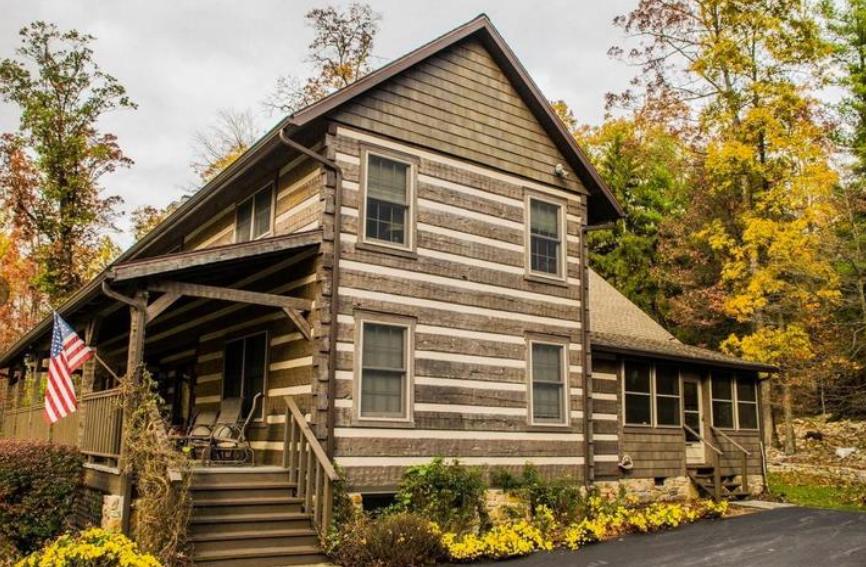
The product we were designing was to be a replacement for what was known in the log home industry as chinking, the sealant that historically provided the seal between the logs. A “chink” is a gap, so chinking refers to material used to fill and seal that space. Throughout the centuries of constructing dwellings out of logs, a number of methods were used to seal in between them.
Early builders used materials available locally, including mud, straw mixtures, mortar, and other natural materials.
During our investigation, we determined that the new sealant needed to meet several requirements:
- It had to have the texture and appearance of traditional mortar chinking.
- It had to complement the appearance of a log home.
- It had to expand and contract with natural log movement.
- It had to adhere tightly to the logs and form a continuous watertight seal.
- It had to be easy to apply in wide chinking joints without slumping or washing out.
- It had to remain durable over time.
Wood movement meant the new sealant needed enough flexibility to expand and contract without losing adhesion.
Conventional caulks available at the time did not provide the combination of texture, application thickness, flexibility, and appearance we wanted for log-home chinking.
Creating Perma-Chink
After months of testing different polymer formulations, we developed the flexible synthetic sealant that became Perma-Chink.
During development, we found a small company south of Seattle that manufactured synthetic stucco. Its equipment and production experience helped us move from laboratory formulas to larger-scale manufacturing. We began selling early product in 1981, and the first house we did was in Sun Valley, Idaho, in the middle of winter.
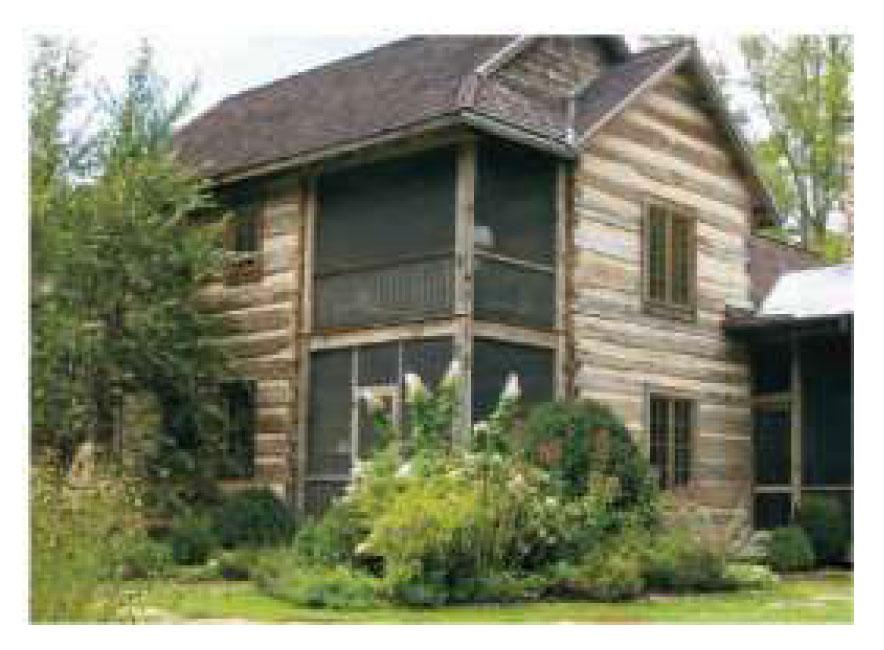
Soon afterward, market research pointed us toward the eastern United States and particularly the Southeast, where several major dovetail log-home manufacturers were located near Knoxville, Tennessee. Dovetail log construction often uses wide chinking joints, creating a natural application for a flexible alternative to traditional mortar.
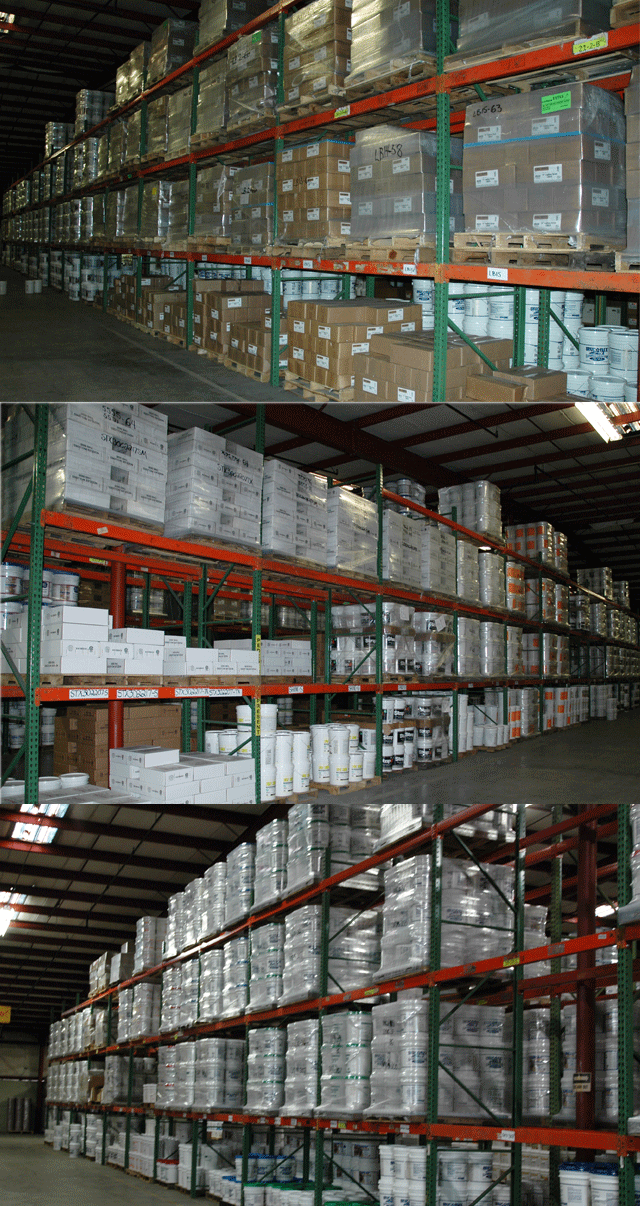
So, we set up a manufacturing plant in Knoxville, Tennessee. The Knoxville location put production closer to a major concentration of log home manufacturers in the Southeast.
Working With Log Home Manufacturers
Appalachian Log Homes was among the manufacturers involved in early applications of Perma-Chink. According to Rich Dunstan’s account, Appalachian used Perma-Chink on a U.S. Forest Service structure that had to be assembled and transported to a remote location.
Honest Abe Log Homes also became an early user. Rick Denton, Honest Abe Log Homes President Emeritus, later wrote that the companies began working together in 1982 and that Perma-Chink’s flexibility and adhesion addressed problems caused by gaps forming beside traditional mortar chinking. Read Honest Abe’s account of its early work with Perma-Chink.
Flexible synthetic chinking gave builders an alternative to rigid mortar by creating a seal that could move with the logs while retaining the appearance of traditional chinking.
Expanding Into Log Home Stains and Finishes
After developing Perma-Chink, the company turned its attention to another common log-home maintenance concern: exterior finishes.
Perma-Chink Systems later applied its polymer-formulation experience to Lifeline stains and finishes developed for log and timber homes. The semi-transparent finishes add color and protection while keeping the wood grain visible.
Today, the Lifeline line includes semi-transparent exterior stains and clear topcoats. Lifeline Ultra-7, for example, is the most durable exterior finish Perma-Chink Systems has developed and uses a flexible, water-resistant film designed for exterior log-home applications.
Expanding the Product Line
What began with one chinking product expanded into products for sealing, staining, cleaning, preserving, restoring, and maintaining log and timber homes.
I am proud of the company, its employees, its customers, and the relationships built throughout the log-home industry.
Beginning with the company’s 40th anniversary, Perma-Chink Systems adopted the slogan “Simply Unmatched.”
The company continues to build on the product-development work that began in 1980 and the introduction of Perma-Chink in 1981.
The late Rich Dunstan, President
Perma-Chink Systems, Inc.
Perma-Chink Systems History FAQs
When was Perma-Chink Systems founded?
Perma-Chink Systems began selling early Perma-Chink product in 1981 after development work began in 1980. The company has served the log and timber home industry since 1981.
Why was Perma-Chink developed?
Perma-Chink was developed to provide a flexible alternative to rigid mortar chinking. The goal was to create a material that looked like traditional mortar chinking, adhered to logs, accommodated log movement, and formed a durable seal.
Where was Perma-Chink first used?
According to Perma-Chink Systems’ company history, the first house completed with the early product was in Sun Valley, Idaho, during the winter.
What products does Perma-Chink Systems offer today?
Perma-Chink Systems now manufactures products for multiple stages of log and timber home care, including wood sealants and chinking, exterior stains and finishes, wood cleaners, preservatives, and restoration products.
More Than Four Decades of Log Home Care
Learn more about Perma-Chink Systems and its products for protecting and maintaining log and timber homes, or explore the Technical Tips library for application and maintenance guidance.