Key Takeaways:
- Branches that brush against log walls and overgrown shrubs often trap moisture where the surface has a harder time drying.
- A little extra space around the exterior gives sunlight and moving air a better chance to reach the logs after rain.
- Landscaping materials influence more than appearance. Organic mulch and poorly aimed sprinklers create avoidable maintenance problems.
- Small changes around the foundation help protect your log home and reduce future repair needs.
Have you ever considered the impact that landscaping can have on the well-being and beauty of your log home? Let’s look at some things around your home that can significantly affect its health.
Trees and Log Homes
In the summer months, trees located close to your home can help provide shade, which may lower your air conditioning costs. But if any branches are touching your roof, they can provide pathways for insects and rodents to enter your attic and eventually your living space.
It’s best to keep tree branches at least three (3) feet away from your walls and roof. This distance will discourage creatures like gray squirrels and roof rats from investigating your attic and help prevent carpenter ants from taking up residence inside your home.
Shrubs and Foundation Plantings
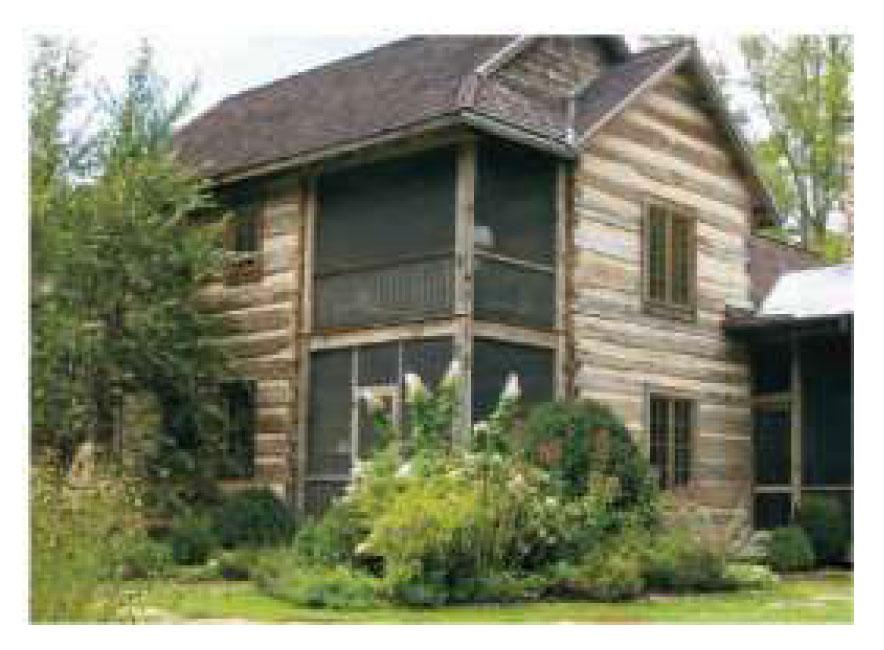
The next things to consider are shrubs and hedges planted next to your foundation. Over the years, you’ve probably let them grow too large, and they may be getting close to your log walls, or even worse, actually touching the logs. In addition to keeping the logs damp, shrubs and hedges can actually wear the finish right off of the wood.
You need to trim them back, if for no other reason than they are hiding the beauty of your home. There should be at least two (2) feet of clear space between any plants and shrubs and your foundation or log wall. This allows air to flow over the logs, which helps keep them dry and free from insects, mold, algae, and decay.
Plants and Grass Near the Home
It’s quite common to see plants and grass planted right up against foundation walls. Even though they may not be in contact with the logs, they still provide a lot of moisture to the surrounding area, and water is the enemy of wood.
Choosing the Right Mulch
If you have flower beds around your home, you probably use some type of mulch to keep the weeds down. The most commonly used types of mulch are shredded wood or bark, bark nuggets, or pine straw.
All of these types of organic mulch materials attract a wide variety of insects, including termites as well as wood decay fungi. In addition, over the years, the decayed mulch builds up, bringing the soil level closer and closer to the bottom course of logs.
Fall Landscaping Tips
To prepare for fall and winter seasons, here is a checklist to make sure your home and yard look great. Here are our recommendations regarding landscaping around log homes:
- There should never be any plant life growing within two (2) feet of the foundation, log, or siding wall. Any existing plants or branches within the two-foot zone should be removed or cut back.
- The best way to maintain an adequate clear space between your landscaping and home is to lay down a two- to three-foot-wide band of landscaping fabric or perforated plastic around the base of your foundation and cover it with two to three inches of river pebbles or crushed stone (not wood or bark mulch). This will help keep the foundation area dry, and you will be surprised how it will reduce the number of bugs you’ll see inside your home.
- Make sure that your sprinkler heads are not spraying water onto the logs or foundation walls.
- Take care of your lawn by overseeding, applying fall-specific fertilizer and weed control, and don’t forget to water your lawn (for areas where there’s no rain or snow).
- Prune and trim trees and shrubs. Since blooms are done for the year, now is the time to cut them down.
- Don’t forget to winterize sprinkler systems and related items. Don’t forget about outside water timers, too (I may or may not have experience forgetting to bring my timer inside one winter, and it may or may not have frozen and failed).
- Plant trees, shrubs, and bulbs in October. This allows them to acclimate to their new home without the stress of a hot summer.
- Rake leaves and clean up other debris, composting what you can.
- Place mulch around newly planted trees, but away from the trunk, as this invites pests.