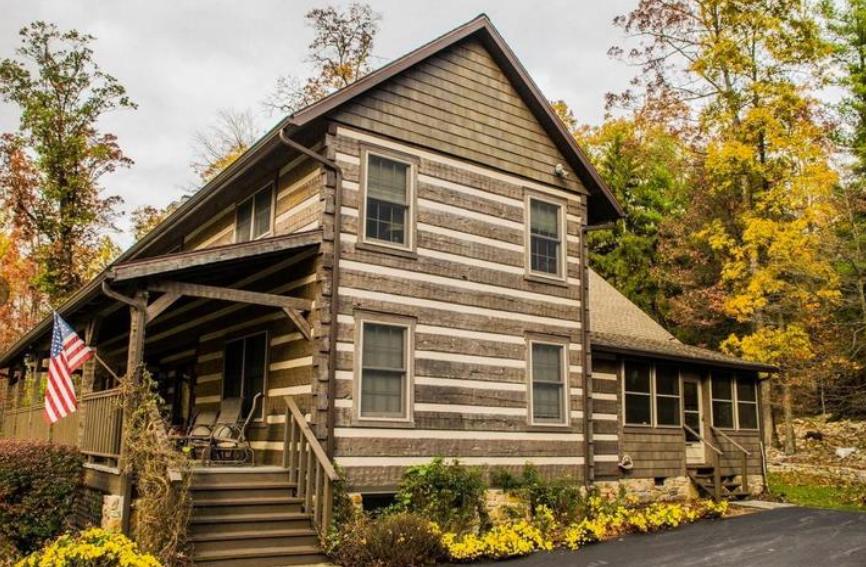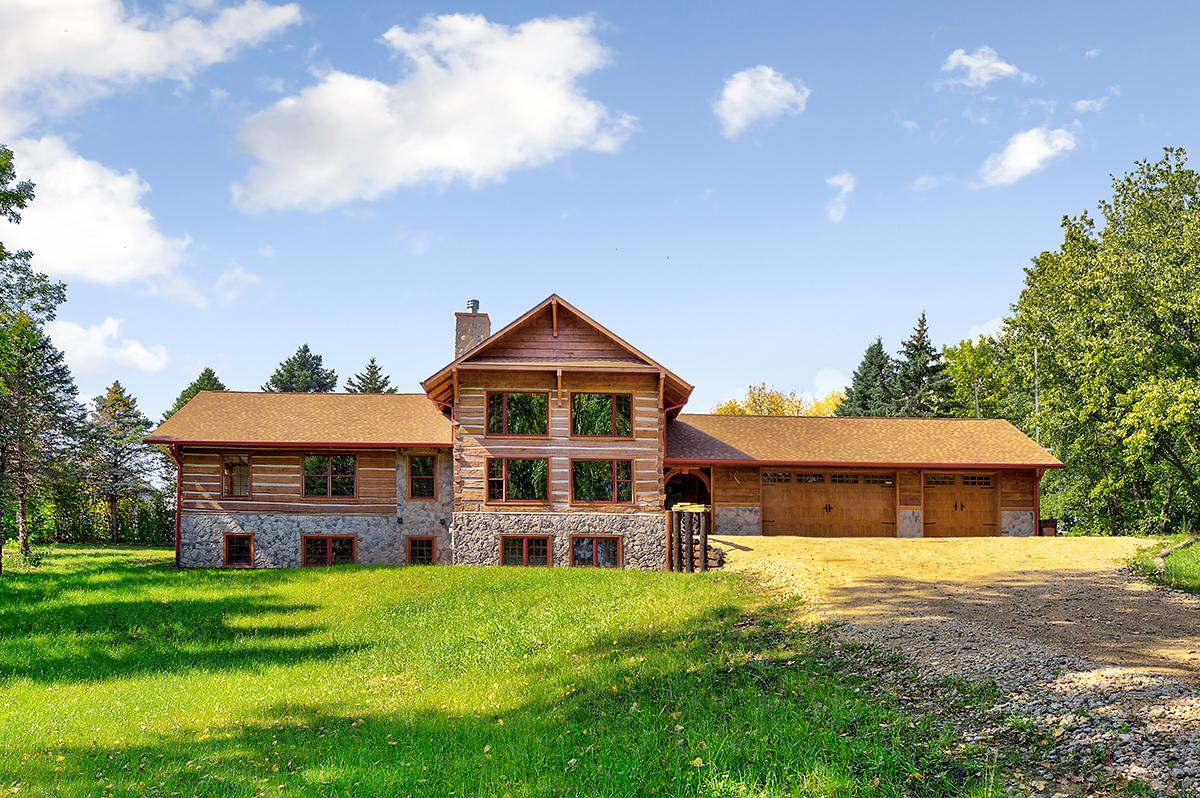
With so many different choices on the market for wood restoration and cleaning products, it can be confusing trying to decide just what to use. Unfortunately, when it comes to cleaning or restoring wood, there is no “one size fits all” approach. Each unique situation has a chemical solution that best solves that problem. Perma-Chink Systems understands these challenges and we have developed specific products to address each situation.
We offer a wide range of cleaning and restoration products that are designed to be fully compatible with our other wood care products. Our name says it all – Perma-Chink Systems. If you choose to stay within the system, you can have confidence in a fantastic outcome.
It is difficult to determine exactly what is in a typical store brand of cleaner. Many of these cleaners, conditioners and brighteners may contain ingredients that are not compatible with our products. Some brands of wood cleaners may leave residues that prevent adhesion of our stains – even after considerable rinsing. Many of these cleaners may even damage the wood to the extent that adhesion of our stains may be a serious problem.
Furthermore, a number of these cleaners can even cause unsightly wood discolorations. But do not worry, stop playing the guessing game. For over forty years now, Perma-Chink Systems has been working towards creating and testing products that work together for your success! Let us take a closer look at a few of them.
Log & Timber Home Wood Cleaners

Our wood cleaner Log Wash™, was originally developed to clean coated wood surfaces by removing mold, dirt, oils, and other surface contaminants without damaging the existing finish. Over time, it was discovered that Log Wash is also effective for cleaning bare wood.
Wood chemistry is complex. Naturally occurring compounds within wood help protect it from disease and decay, but some of these extracts and resin oils can surface over time and cause discoloration that may be undesirable in appearance.
Wood tannins are one class of naturally occurring chemicals that can cause discoloration when they react, or complex, with iron, forming dark stains on the surface of the wood. Log Wash contains phosphoric acid, which also reacts with iron to form compounds such as iron(II) phosphate or iron(III) phosphate. These compounds effectively compete with the wood’s natural tannins for available iron. By reducing the amount of free iron that can react with tannins, Log Wash helps prevent the formation of dark, ink‑like discolorations on the wood surface.
Using Log Wash not only cleans the surface but also helps stabilize a very complex system – the wood itself. Many commercially available cleaners are high in pH, such as caustic cleaners, which can damage wood coatings by softening them. When these cleaners are rinsed or pressure‑washed off, the softened coating can be removed along with them.
When used according to label instructions, Log Wash maintains a slightly acidic pH range, which closely matches wood’s natural chemistry. By keeping the pH balanced where wood is most stable, Log Wash helps avoid undesirable chemical reactions that are more likely to occur under highly alkaline conditions.
Wood is a unique, natural substrate that appeals to us due to its beauty and natural characteristics. Are all wood species the same in chemical composition? The obvious answer is no they are not.

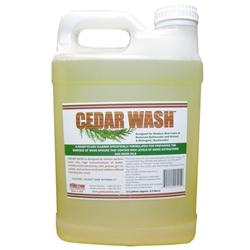
Although all wood contains cellulose and hemicellulose, it is the wood extractives and resin oils that contribute in large part to the differentiation of one species from another. In addressing these differences it brings us to our next wood cleaning product: Cedar Wash™. This product was developed to deal with certain species of wood that naturally contain very high levels of extractives and resin oils. The presence of these extractives can cause several problems including discoloration, stains and adhesion problems with a coating. Wood that falls into this category of “extractive-rich” includes Redwood, Western Red Cedar, Walnut and Mahogany. A second class of wood that contains high levels of extractives but not as high as the “extractive-rich” includes Southern Pine, Douglas Fir, Spruce and Cypress.
Cedar Wash is a Ready-To-Use formula designed to effectively remove resin oils and wood extractives from the surface of wood and it will not harm finishes that are in good condition. In addition, the product is safe to use on chinking and sealants and has a low environmental impact due to its safe chemical composition.
Dealing With Dark, Vertical Streaks
What if my wood already has metallic iron tannate stains what can I do about them?
First, you need to be certain that the discoloration is from iron tannates. You can perform a simple test with a Q-tip dipped in diluted 3-to-1 bleach solution. Apply this to a small test area and if the dark color disappears, your color problems are most likely from surface mold.
In contrast, iron stains will also have the appearance of streak marks running down a wall in a vertical direction and will not go away with the Q-tip test. Oxcon™, which contains Oxalic Acid, was developed to help brighten wood with dark discolorations due to iron stain. Ferric Iron, which is dark in color, will react with Oxalic Acid to form Ferrous Iron which is colorless. The key to all this working properly is good rinsing afterward. If the oxalic acid is not rinsed well, it can leave surface crystals that can interfere with adhesion.
Brighten Bare Wood Back to Original Color
Bare wood when left exposed to the elements will weather. What do we mean by weather? Wood is continually going through changes due to sunlight, water, mechanical forces and heat. Each of these can present problems, but sunlight does considerable damage to the surface of the wood due to a process called photooxidation. In this process lignin, which provides support structure in the cell wall, is broken down and degraded, turning the wood grey in appearance.
After this damage has occurred it would be unwise to stain or paint on the surface of the damaged wood. Ask yourself would you apply paint to an old rusty metal pole and expect it to stay adhered for a long time? Of course not. In the same way, the compromised wood surface must first be removed through mechanical and chemical means before applying a coating to the surface. The best product to deal with this problem is called Wood Renew™, and when dissolved in water produces hydrogen peroxide.
This, along with additional highly effective cleaning agents, work together to remove resin oils, dirt and disinfect the wood. A pressure washer is used to help mechanically remove the damaged layer of wood leaving behind a bare, clean, and newly restored surface to apply a coating. The appearance of the wood changes from a dark gray to a freshly milled yellow color. It is truly amazing to see the difference this process can have on the wood. Surface mold and spores, dirt and damaged wood fibers are all removed in this process. We are cleaning and restoring wood back to its original, bright clean form.
Finish Removal
If you have an existing finish that you need removed, we have two chemical options for you. The first is called S-100™. It uses a proprietary, environmentally safe ingredient to help soften the existing film prior to removal. S-100 forms a gel on the surface of the film, allowing it to have maximum contact time with the surface. The surface is then rinsed using a pressure washer to remove the film and S-100 from the surface.
Our second option, called Strip It®, uses a highly effective but low toxicity active ingredient called Benzyl Alcohol. Like the S-100, this product also acts on the surface to soften the film and is removed with the assistance of a pressure washer.
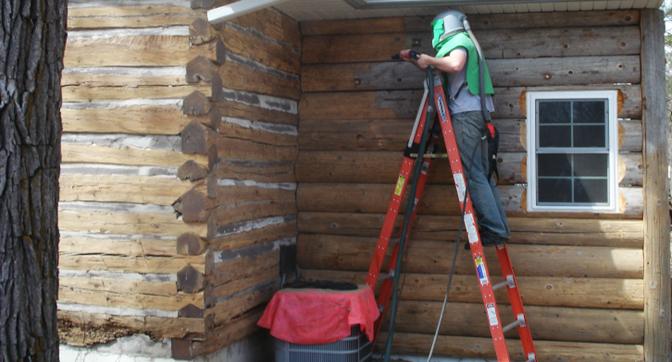
Both S-100 and Strip It are water-based products that are environmentally friendly and safe, as opposed to hazardous solvent-based products like methylene chloride, methanol, and petroleum solvents. Strip It is practically odor free, S-100 has a citrus odor, and both are non-flammable and biodegradable.
Rinse Completely
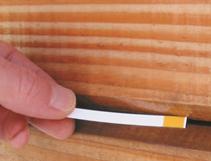
Finally, there is one critical procedural step shared by all cleaners and wood restoration products: proper rinsing. Every product used must be thoroughly rinsed from the wood surface.
You may wonder, “How do I know when I’ve rinsed enough?” Perma‑Chink Systems offers a simple solution. We provide pH strips that allow you to test both the rinse water and the wood surface. We strongly recommend using pH strips to confirm that the substrate has been rinsed back to a near‑neutral pH range of 6.5 to 7.5.
Inadequate rinsing can lead to a variety of problems, many of which are completely avoidable. Taking the time to rinse properly ensures better performance of subsequent products and long‑term success of the restoration.
Final Notes
At Perma‑Chink Systems, we’ve worked tirelessly to develop high‑quality log and timber home products that support you through every step of the restoration and maintenance process, while always prioritizing safety and environmental stewardship. For best results, we strongly recommend following all label instructions when using our products.
In addition, we’ve created a wide range of Technical Tips to help guide you along the way. These include resources such as our Cleaning Guidelines, Finish Removers Application, and many others designed to help you understand and resolve common challenges.
If you need further assistance, our product specialists are always available at 1‑800‑548‑3554 to answer your questions. We hope this information helps you better understand the purpose and proper use of our cleaning and restoration products – and supports the long‑term success of your project.