Key Takeaways
- Protect exposed plumbing and winterize irrigation equipment before prolonged freezing temperatures arrive.
- Log homeowners should inspect exterior finishes, sealant joints, windows, doors, and upward-facing checks for areas that need maintenance.
- Fuel-burning heating systems should receive a professional inspection each year.
- Hire a qualified professional when a project involves inaccessible plumbing, unfamiliar equipment, structural concerns, or extensive wood deterioration.
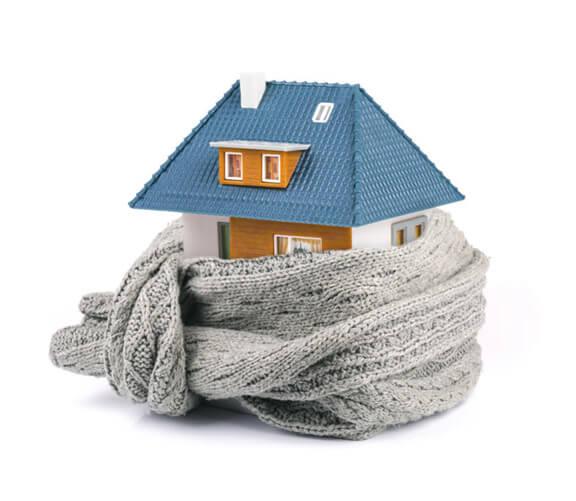
Owning a home is a big part of the American Dream: a place to call home, where your family grows and thrives. Being a homeowner however, has its fair share of responsibilities and it’s a year round job. Cold-weather preparation is one of those responsibilities. Checking vulnerable areas before freezing weather arrives gives you time to handle routine maintenance and schedule professional help where needed.
Protect Pipes From Freezing
The last thing you want before your Holiday dinner party is a burst pipe that leaks or floods the basement or another part of your house. When water freezes it expands and increases pressure inside the pipe. This might cause it to burst and leak water inside your home causing major damage.
Pay attention to water lines in garages, crawl spaces, basements, cabinets, and other unheated or poorly insulated areas. Insulate exposed pipes where appropriate and keep garage doors closed when water supply lines run through the garage.
During very cold weather, opening kitchen and bathroom cabinet doors allows warmer indoor air to circulate around plumbing. The American Red Cross also recommends letting cold water drip from faucets served by exposed pipes.
If a faucet produces only a trickle and you suspect a frozen pipe, keep the faucet open while addressing the frozen section. Do not use a blowtorch or other open flame. If you cannot find or safely thaw the frozen area, call a licensed plumber.
Winterize Irrigation Systems
Neglecting simple winterizing tips on your sprinkler system can lead to costly and labor-intensive repairs to your irrigation system.
Sprinkler and irrigation systems in freezing climates may need to be drained according to the manufacturer’s or installer’s instructions. Some systems require compressed air or procedures specific to their valves, backflow preventers, and piping.
If you are not familiar with the system or do not have the correct equipment, hire an irrigation professional rather than guessing at the required pressure or drainage procedure.
Check Log Home Sealant Joints
Finding the outside source of the air leak around window and door frames might be difficult. The opening source of the leak may be several inches from the spot where it is felt inside the home. The best way to attack air leaks is from exterior surfaces. You can seal the interior but if a crack or crevice is leaking air it may also leak water as well.
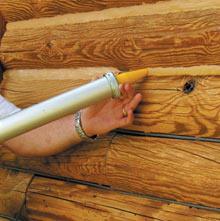
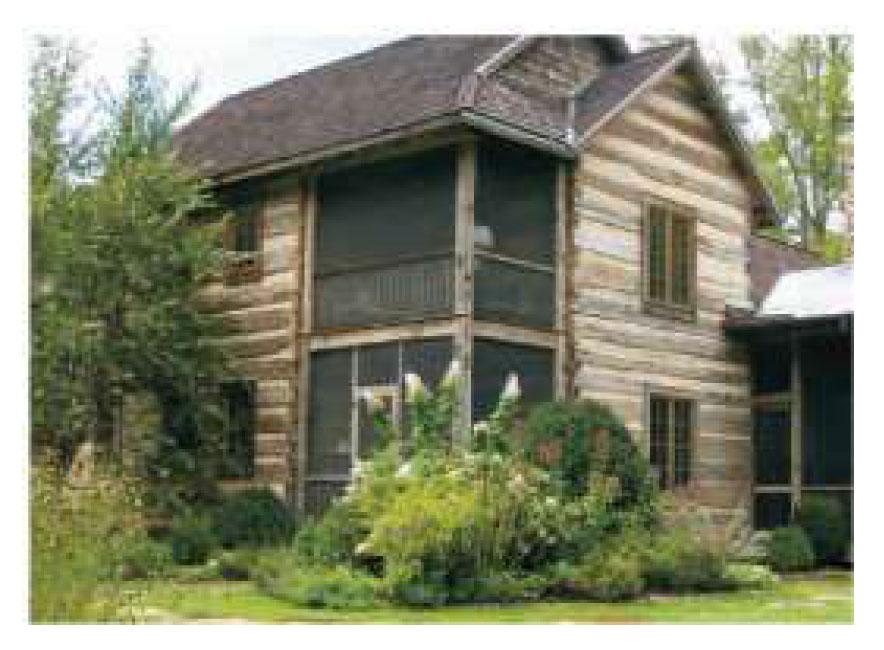
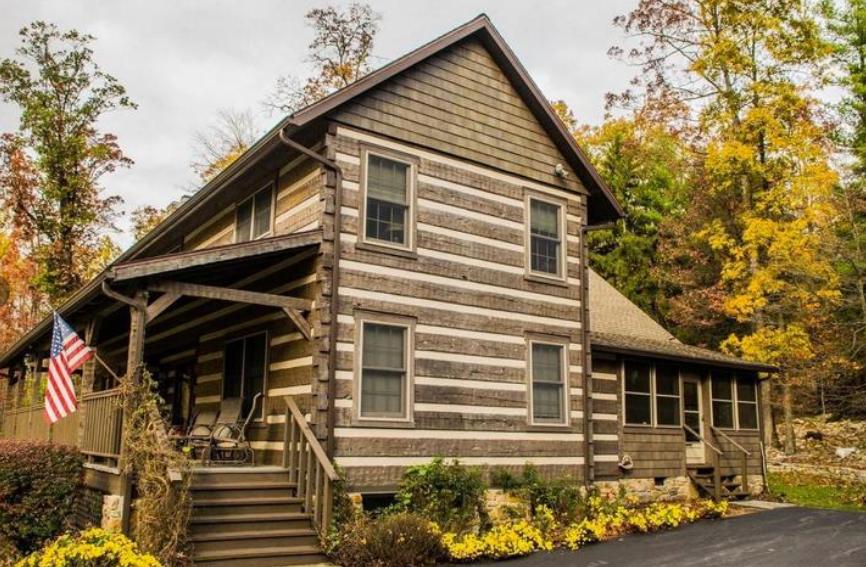
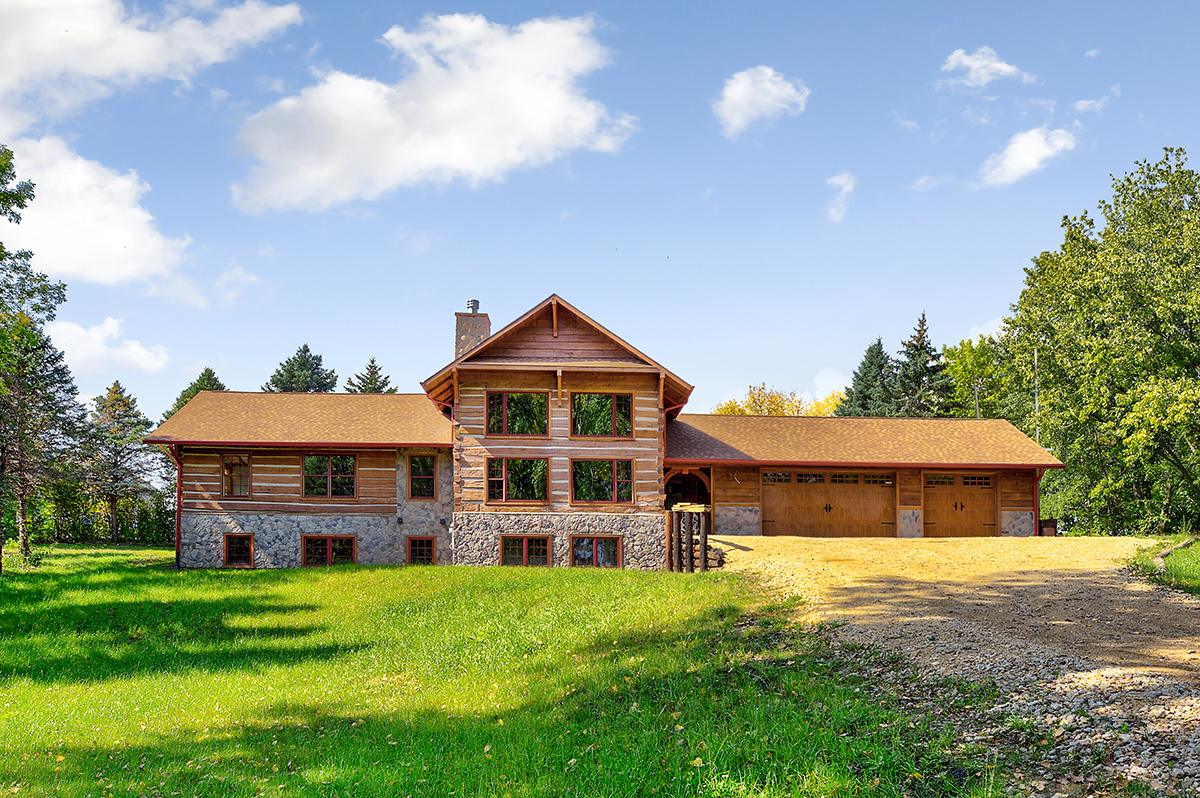
For a log or timber home, inspect sealant where logs meet other logs and around windows, doors, corners, roof lines, and other joinery. Perma-Chink Systems recommends checking these areas for openings that could allow air or water into the home.
For narrow gaps around windows, doors, butt joints, and corners, Energy Seal is formulated specifically for log home joinery. Perma-Chink Systems generally recommends Energy Seal for seams narrower than 1 inch. Wider chink joints may call for a different product.
Compare options in the wood sealants and chinking category if you are unsure which sealant matches the joint.
Inspect Checks in Logs
Checks are cracks that develop as logs dry and season. Not every check requires sealing, but upward-facing checks deserve attention because they can collect water.
Perma-Chink Systems recommends sealing upward-facing checks that are 1/4 inch wide or larger. Check Mate 2 is formulated specifically for checks in logs, timbers, and wood siding.
Check Mate 2 requires backing material and a clean, dry surface. If a check contains damp, soft, or deteriorated wood, address the condition of the wood before sealing the opening.
Softened or discolored logs can indicate moisture problems. If deterioration appears extensive or you are unsure whether a repair is cosmetic or structural, use Perma-Chink Systems’ Find a Contractor resource to locate independent log home contractors.
Inspect the Exterior Finish
Winter preparation is also a good time to inspect the exterior finish. Look for cracking, peeling, blistering, mold or mildew, dirt buildup, and wood that appears discolored or soft.
Perma-Chink Systems recommends starting maintenance with an inspection because the existing finish and condition of the wood determine what preparation is needed. Applying new finish over dirty, moldy, or deteriorated wood will not correct the underlying problem.
If maintenance is due, browse Perma-Chink Systems’ exterior wood stains and finishes. Check the application guide for the specific product before working in cold weather.
Check Heating Equipment and Carbon Monoxide Alarms
Fuel-burning heating systems should be professionally inspected and serviced each year. The U.S. Consumer Product Safety Commission includes furnaces, boilers, fireplaces, wood stoves, water heaters, chimneys, flues, and vents in this recommendation.
Follow the manufacturer’s instructions for carbon monoxide alarms and make sure they are operating properly. Never run a portable generator or gasoline-powered equipment in a house, garage, or other enclosed space.
Repairs to fuel-burning appliances require the proper training and tools. Call a qualified service professional when a furnace, boiler, fireplace, wood stove, or related venting system needs service.
Prepare Plants for Cold Weather
Tending to your garden and plants is a good DIY project for the upcoming winter. Every plant has different needs and is built to withstand different weather conditions.
Move cold-sensitive plants indoors when appropriate and check them for insects or disease first. Outdoor plant care varies by species and climate, so follow local Extension guidance rather than using the same watering, pruning, or fertilizing schedule for every plant.
Know When to Hire a Professional
Handle a winterizing project yourself when the task is routine, you can reach the work safely, and you have the correct instructions and equipment.
Call a professional for inaccessible or damaged plumbing, unfamiliar irrigation equipment, fuel-burning heating-system service, structural concerns, or extensive log deterioration. Perma-Chink Systems can help with product and application questions, while its contractor referral resource can help homeowners locate independent log home professionals.
Frequently Asked Questions
What should I inspect on a log home before winter?
Check the exterior finish, sealant joints, windows, doors, corners, roof lines, and upward-facing checks. Look for gaps, failing sealant, cracking or peeling finish, mildew, discoloration, and softened wood.
Do all checks in logs need to be sealed?
No. Small checks that do not collect water may not need sealing. Perma-Chink Systems recommends paying particular attention to upward-facing checks that are 1/4 inch wide or larger because they can collect moisture.
What should I use around log home windows and doors?
Energy Seal is formulated for narrow log-home joinery, including window trim, door trim, butt joints, and corners. Perma-Chink generally recommends it for seams greater than 1 inch.
When should I hire a contractor for log home winterization?
Hire a qualified log home contractor when you find extensive decay, softened or structurally damaged logs, difficult-to-reach repairs, or conditions that go beyond routine sealing and finish maintenance.
Can I apply log home sealants in cold weather?
Application requirements vary by product, and Perma-Chink Systems bases its guidance on the temperature of the log surface. Check Mate 2 has a recommended application range of 40°F to 90°F. Energy Seal should be applied when the surface is above 40°F. Read the current product label and application temperature guidance before beginning work.
Winterizing works best when you identify routine maintenance before freezing weather arrives and leave specialized work to the appropriate professional. Inspect plumbing, log surfaces, sealant joints, finishes, and heating equipment early enough to address problems before winter conditions make the work harder.